
Part 2: Canon imageprograf Pro-1100
Now that the printer was still securely stored in the box, I found myself needing to order something with the appropriate width and depth that would allow it to sit on top of it comfortably. Although several options I explored online were aesthetically pleasing and well-designed, they didn’t seem practical for the specific purpose

Now that the printer was still securely stored in the box, I found myself needing to order something with the appropriate width and depth that would allow it to sit on top of it comfortably. Although several options I explored online were aesthetically pleasing and well-designed, they didn’t seem practical for the specific purpose I had in mind. After deliberating, it took another two weeks to order and receive the shelving unit successfully. Upon its arrival, I was genuinely delighted and relieved, as I was also able to neatly organize a lot of my gear on it, which made everything feel much more organized. One amusing aspect I stumbled upon was some of the videos I had seen of others who were taking their printers out of the box; they removed the bag that the printer was packed in and just lifted it out. However, I found the easiest way for me was to carefully use the sturdy handles of the bag to lift it out smoothly. Trust me, I only lifted it by the handles a few inches before moving it to the shelves, as I had my trust issues with such delicate equipment.
Setup and test prints (uncalibrated).


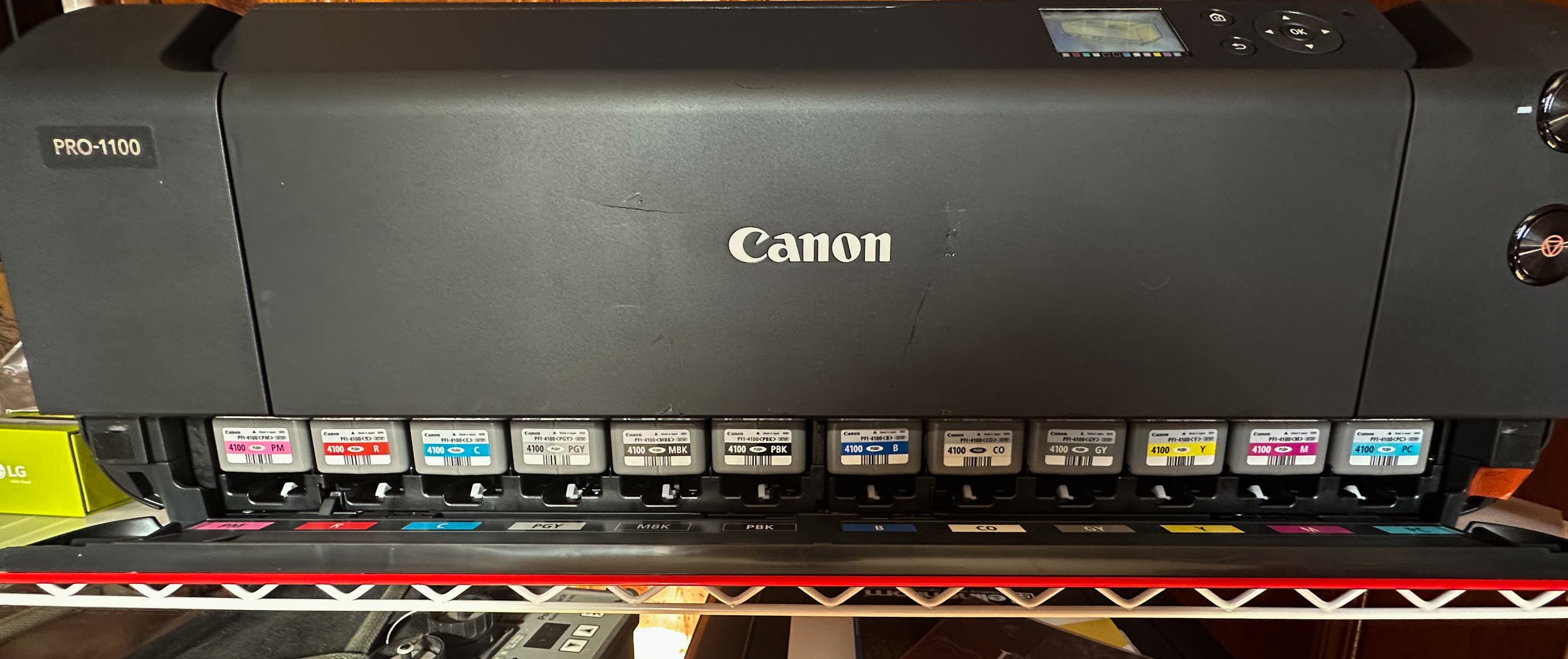


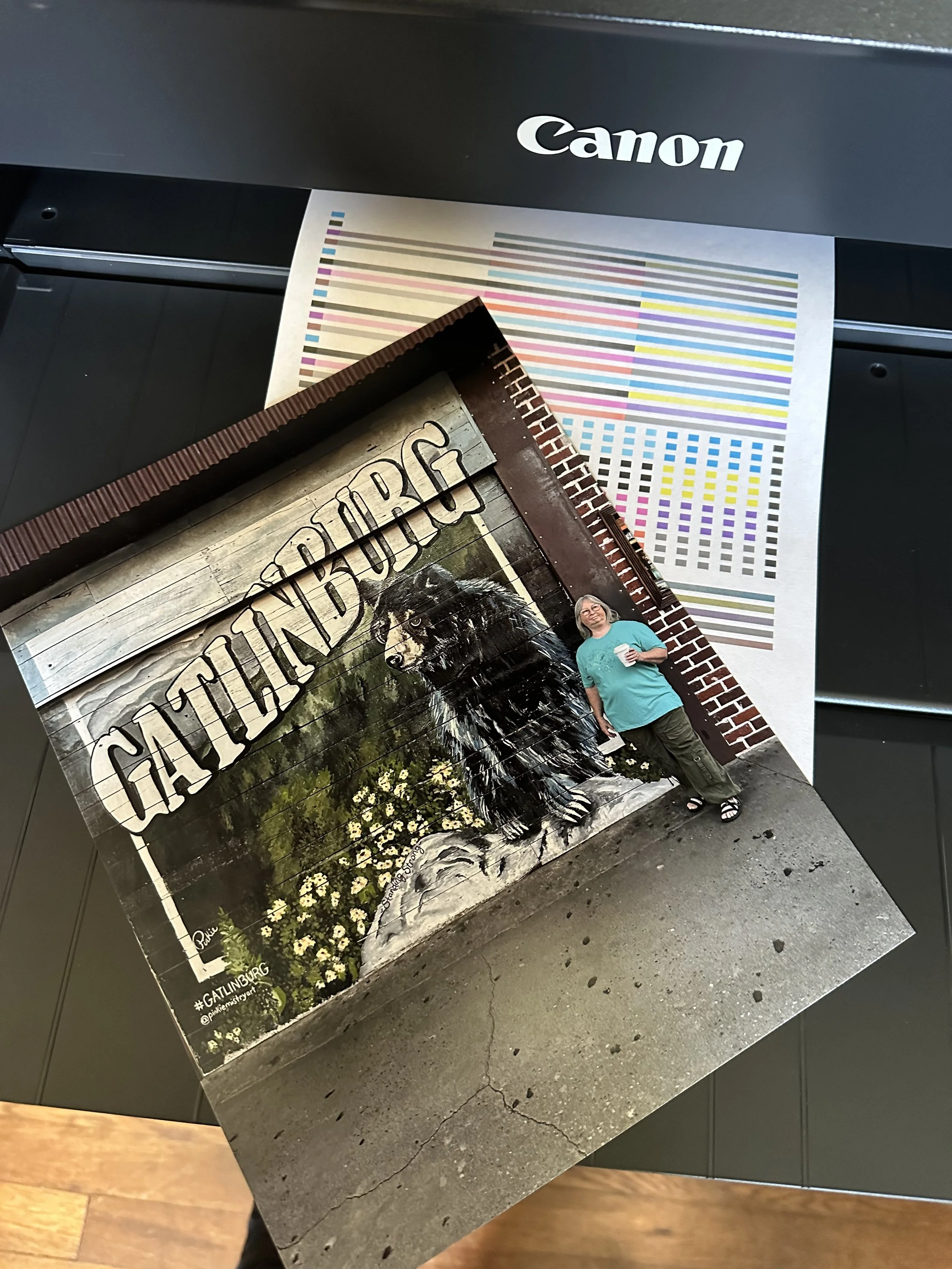

Calibrating my monitors, Troubleshooting the Wifi connection & more printing
The two YouTubers who significantly influenced my decision to start printing were Keith Cooper and JToolman Rodriguiz. They each provide a mountain of valuable information on their respective channels that covers printers, printing techniques, and calibration processes thoroughly. I will leave a link to their channels at the bottom of this page for anyone interested in exploring their content further.
Now, whenever the subject of calibrating my monitors comes up in conversation, I have always approached traditional color calibration as a task that my eyes can manage effectively without relying on the conventional methods and tools offered by companies like Datacolor or Calibrite. However, I must admit, I was ever so wrong in that assumption. It truly was an eye-opening experience seeing how off I was in my past edits.


Initial setup and print jobs were intended to be conducted wirelessly. Late in April, a strong thunderstorm rolled through our area, and as a result, we lost power. I didn’t think much of it at the time; after all, we’ve experienced power outages before, and I was confident that it would be restored shortly. Eventually, power was restored, and we were able to enjoy our gadgets once again, thanks to our internet service provider, Optimum. However, I soon realized that everything had returned to normal except for one significant issue: it was the first time I encountered a problem with the printer connection since setting up the Wi-Fi connection.
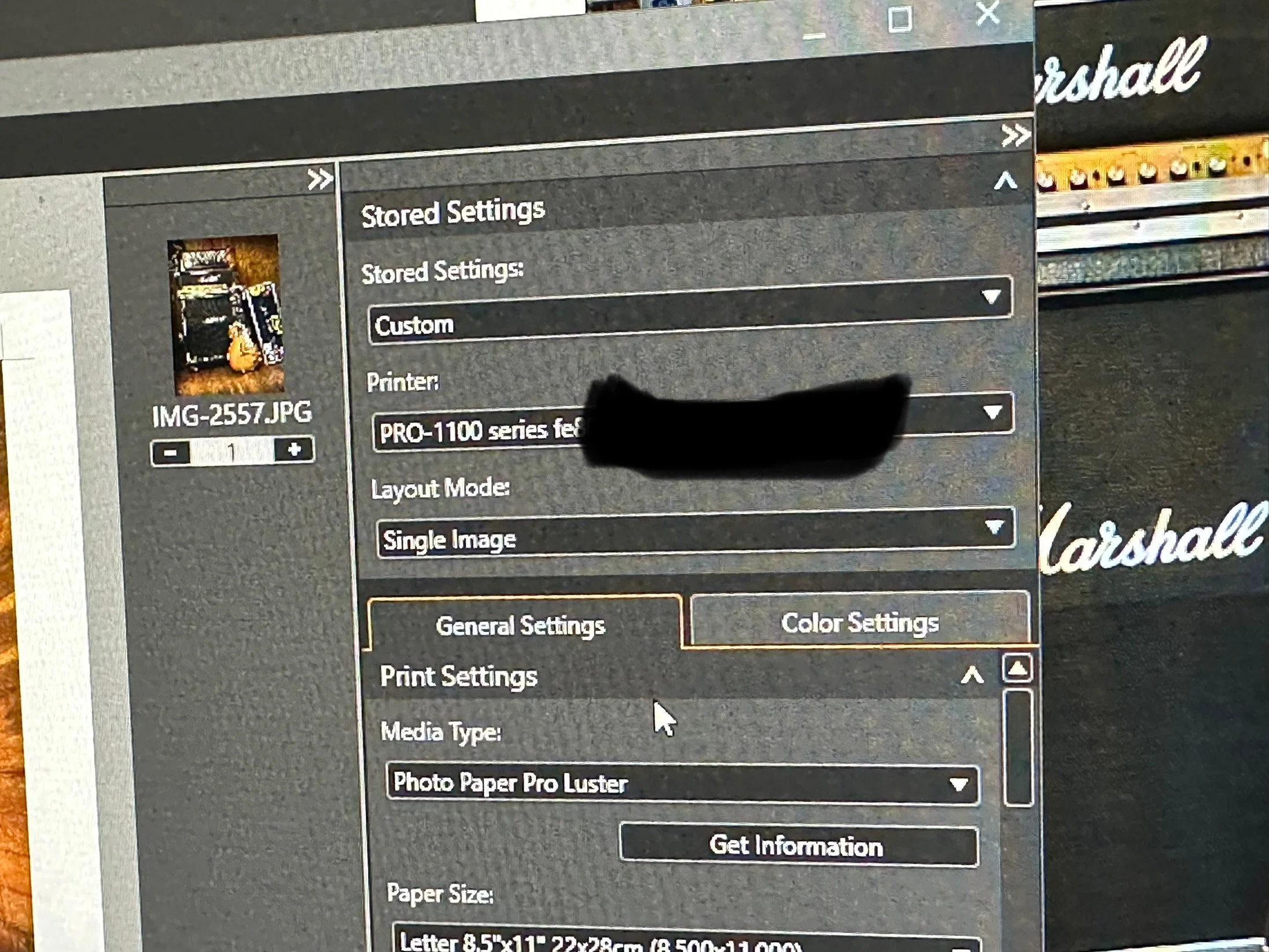
We were paying for the high-speed connection, as it was their best package available, and I expected nothing but optimal performance. I was trying to print using Canon’s Professional Print and Layout tool, which clearly indicated that the printer was recognizing the assigned IP address. However, to my surprise, I discovered through the printer’s utility program, “Canon Wi-Fi Connection Assistant,” that the printer was receiving only between 54-56% signal strength via Wi-Fi. It was no wonder I was unable to complete my print jobs; the link quality of Optimum’s signal was simply unacceptable. Seeking a solution, I found relief in a Facebook group called JToolman, where the members provided helpful advice. Following their recommendations, I connected the printer through a USB connection, and I was relieved to find that I was back in business once again.


Helpful Links
Part 1: Canon Imageprograf Pro-1100 — Brian Cade Photography: Collective Works
Shop Canon Pro imagePROGRAF PRO-1100 | Canon U.S.A, Inc.
Facebook page: Jtoolman Photo Printing Techie
YouTube Channel: Jose Rodriguez Photo Printing Techie
YouTube: Keith Cooper

Good News....Bad News and Possibly More Bad News: My Marshall JCM2000 DSL100
Since this was a used piece of gear, and according to the listing on the guitar Center website, it was listed as “Excellent.
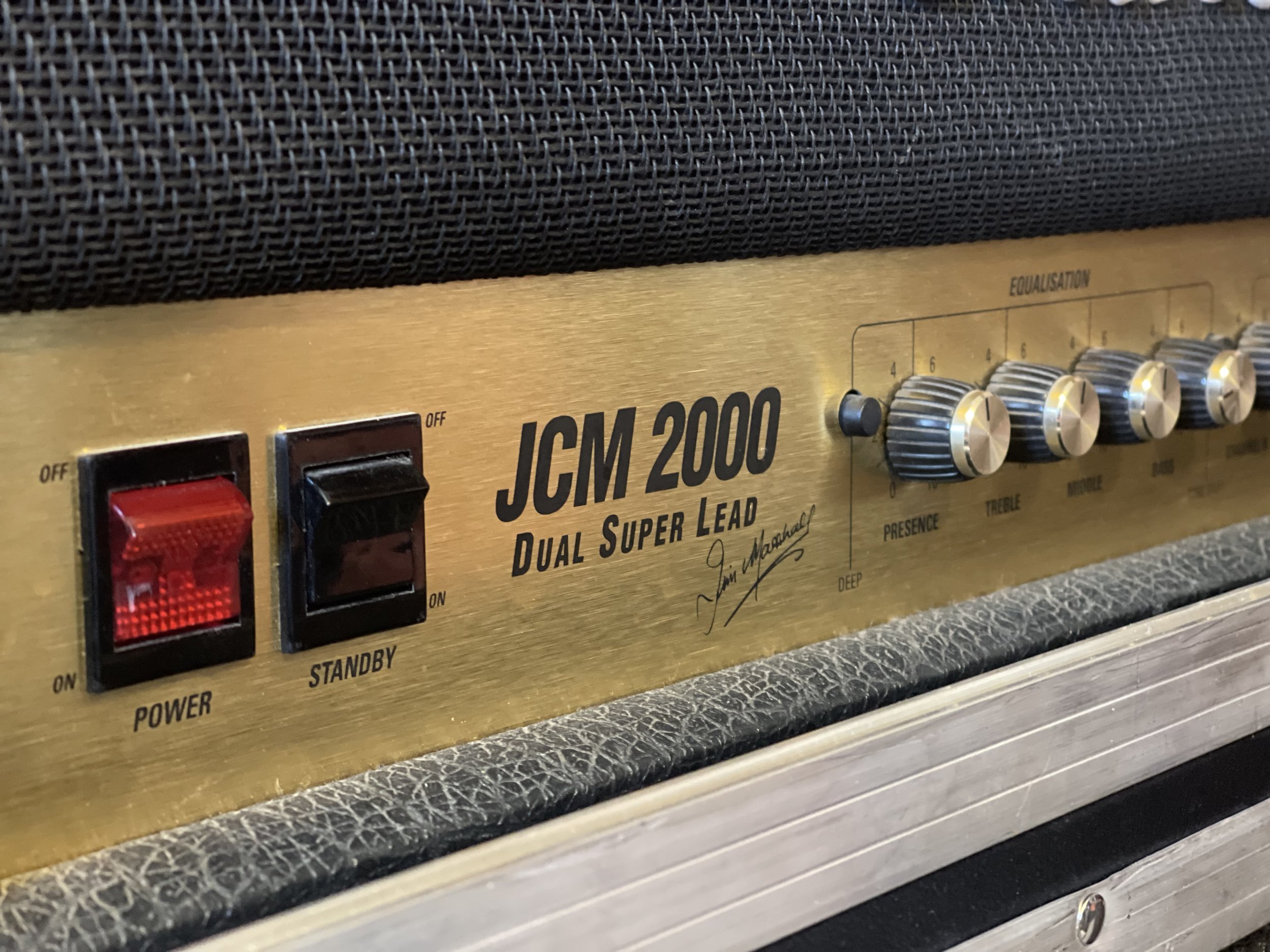
First, here’s the good news: my wonderful wife got me an amp head for Christmas. Our way of celebrating the holiday is to pick up to three things we’d like to receive, and then on the big day, we exchange gifts. This way, there’s some element of surprise during the festivities.
So, I selected my three, knowing very well that the odds of actually receiving one of them were slim to none (grin). Come the big day, and there it was — that one gift I thought might be a bit out of reach. It was a Marshall JCM 2000 100-watt amp, which she got at a pretty good deal from Guitar Center (online), Grand Rapids, Iowa. It even came with an ATA flight case. I was speechless, to say the least. This was going to be a perfect match with my Marshall 1960A cabinet.
Since this was a used piece of gear, and according to the listing on the Guitar Center website, it was marked as “Excellent,” the first thing I noticed was a name stenciled on the flight case: Billy Lee Janey. I paused my inspection to Google his name and search social media just to see who he is. I found out Billy Lee Janey is a very accomplished and established touring blues musician from Grand Rapids, Iowa. I spent about an hour watching some videos on YouTube, reading his bio, and checking online reviews. I’ll include his links below.
So I selected my 3, knowing very well the odds of receiving one of the gifts were slim to none (grin). Come the big day, and there it was, that one gift I thought would be a bit out of reach. There it was, a Marshall JCM 2000 100-watt amp. She got a pretty good deal from Guitar Center (online), Grand Rapids, Iowa; it came with an ATA flight case too. I was speechless to say the least. This was going to be a great pairing with my Marshall 1960A cabinet.
Since this was a used piece of gear, and according to the listing on the guitar Center website, it was listed as “Excellent”, First off there was a name stenciled on the flight case was Billy Lee Janey, of course I took a time out from my inspection and had to google his name and search social media to see who he is, found out Billy Lee Janey is a very accomplished and established touring blues musician from Grand Rapids, Iowa. I took the better part of an hour to watch some videos on YouTube and to read his bio and online reviews. I’ll throw his links down below.
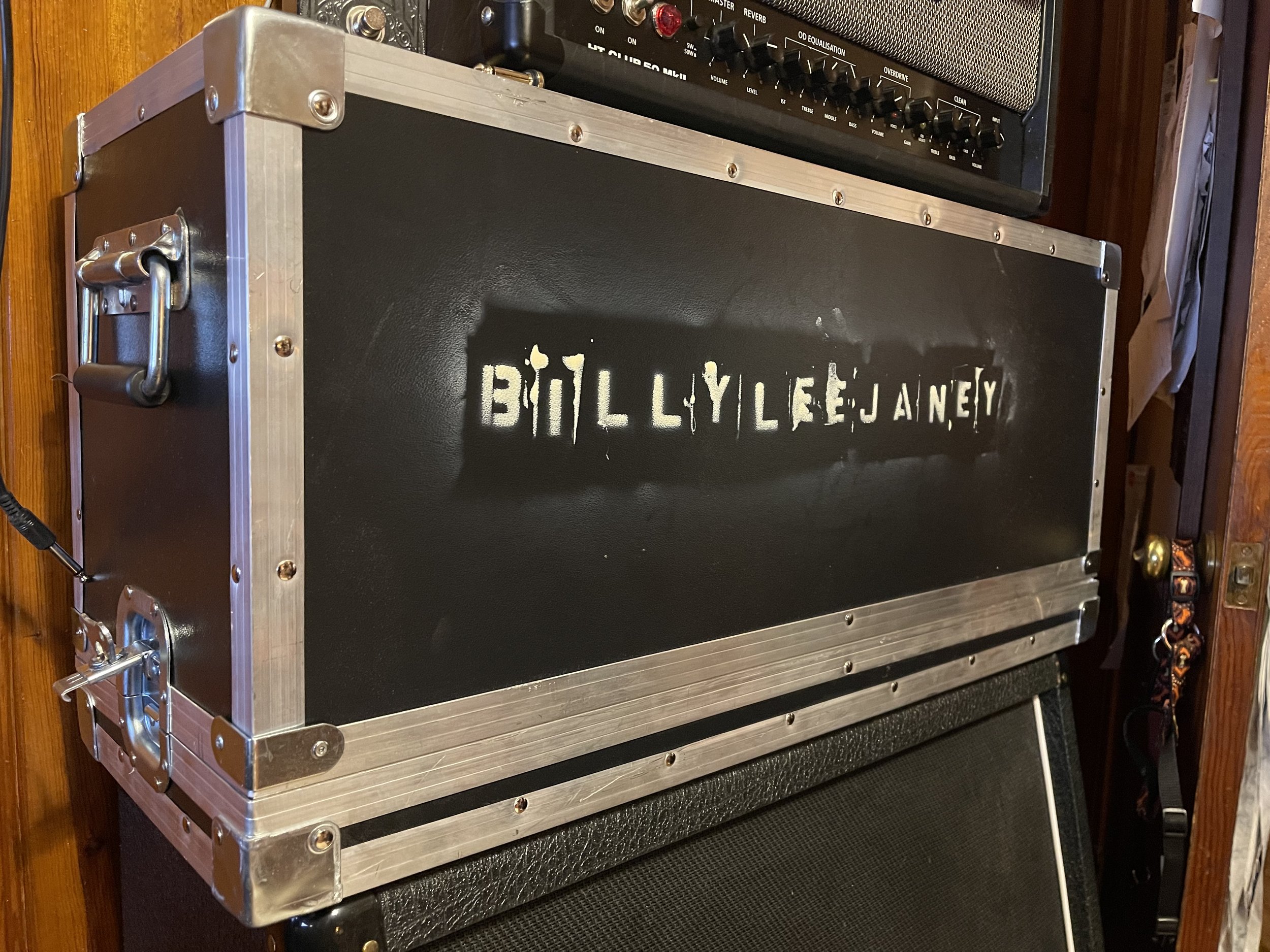
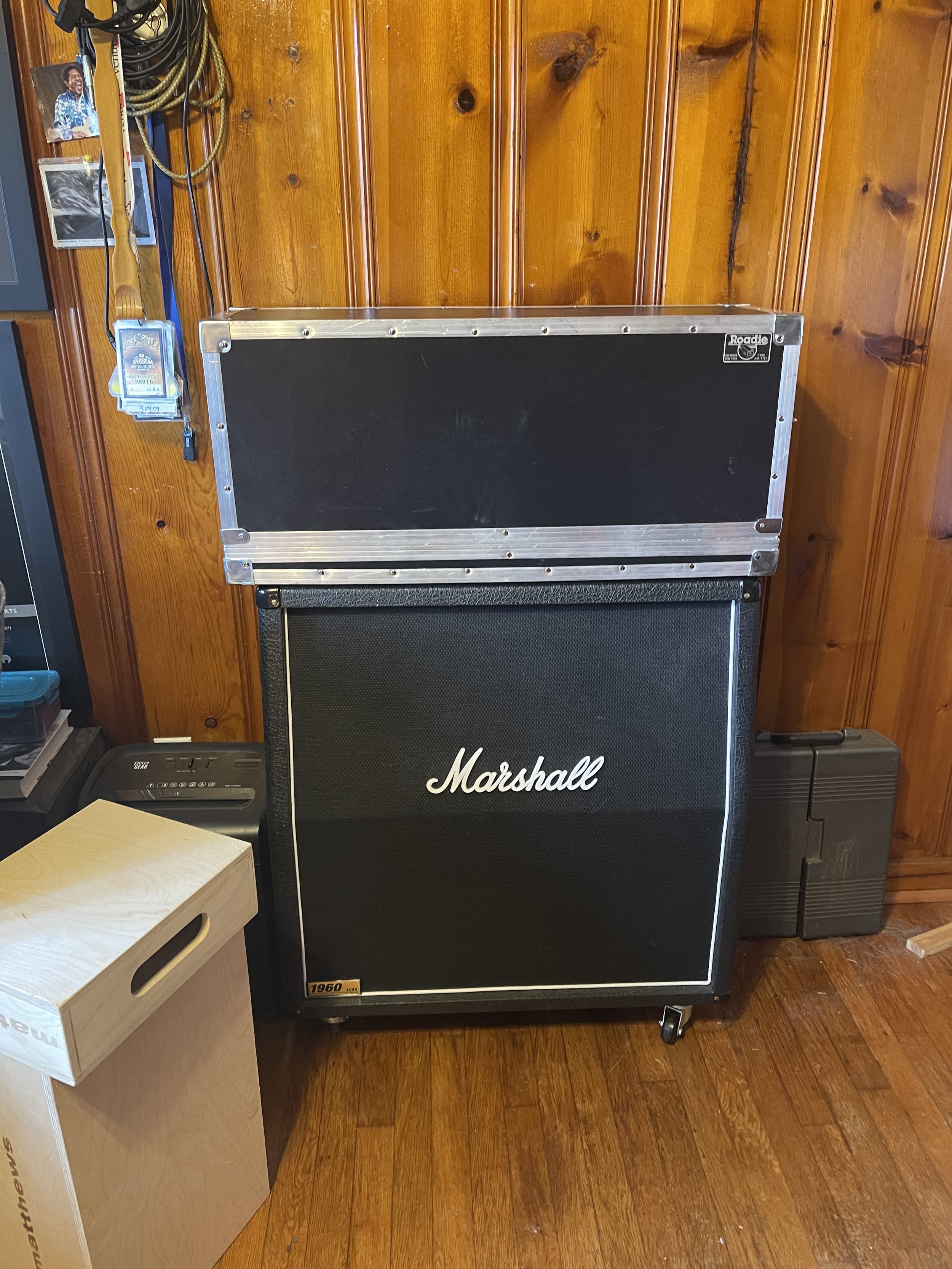
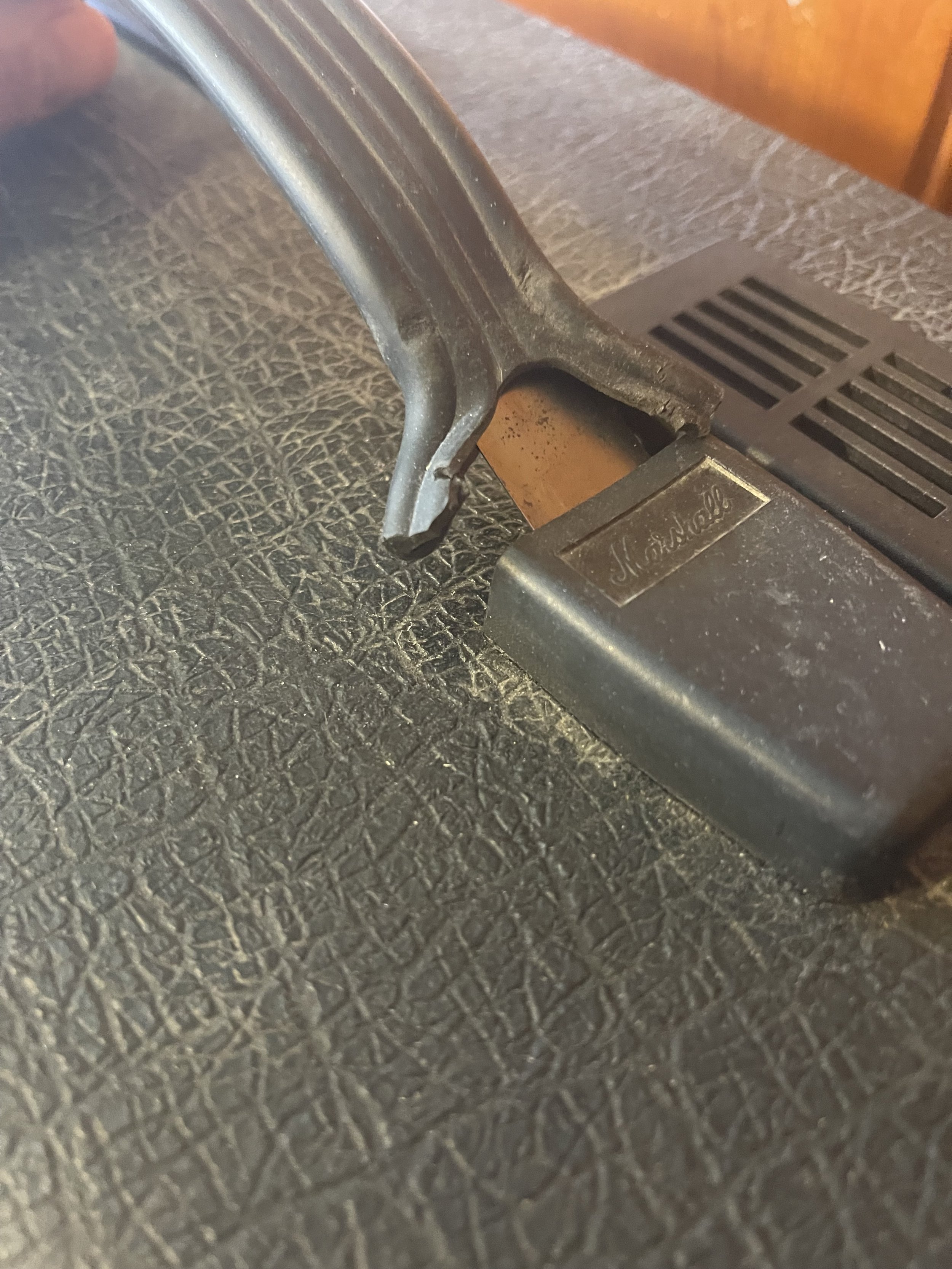
Back to my inspection, and to see what bad news is hidden or obvious, my new to me gear showed heavy use of the handle, no biggie and easily replaceable. If anything, it added some character to the piece, may have been heavily toured from its previous life. The serial number on the rear panel shoed it was a 1997 model, Heck, the amp was over 20 years old, the stories it could tell if it could speak.
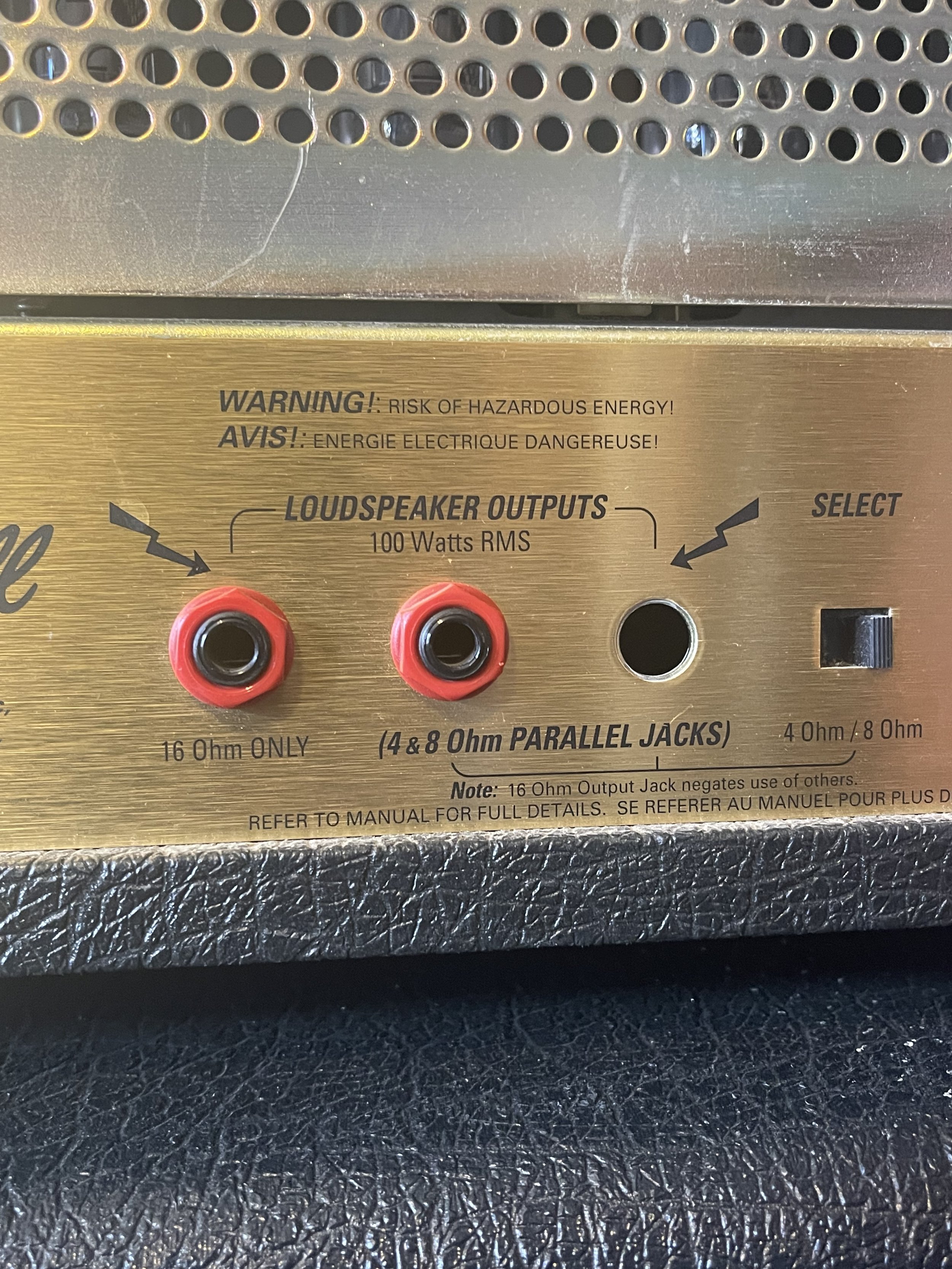
Next, I removed the aluminum mesh grill on the back to insure all the tubes were intact, and they were, the inside of the chassis was dusty, still, it was used gear, easily remedied. The back panel showed it was missing an 8-ohm jack input. Not a deal breaker, and easily fixable. So, all I was able to see visually was the handle needed replaced and an input jack, I finally plugged in my Gibson Les Paul and powered up the amp, strummed a few notes, damn this thing was loud even at 1, scared the crap out of my dog though.so onto the worldwide web we go.
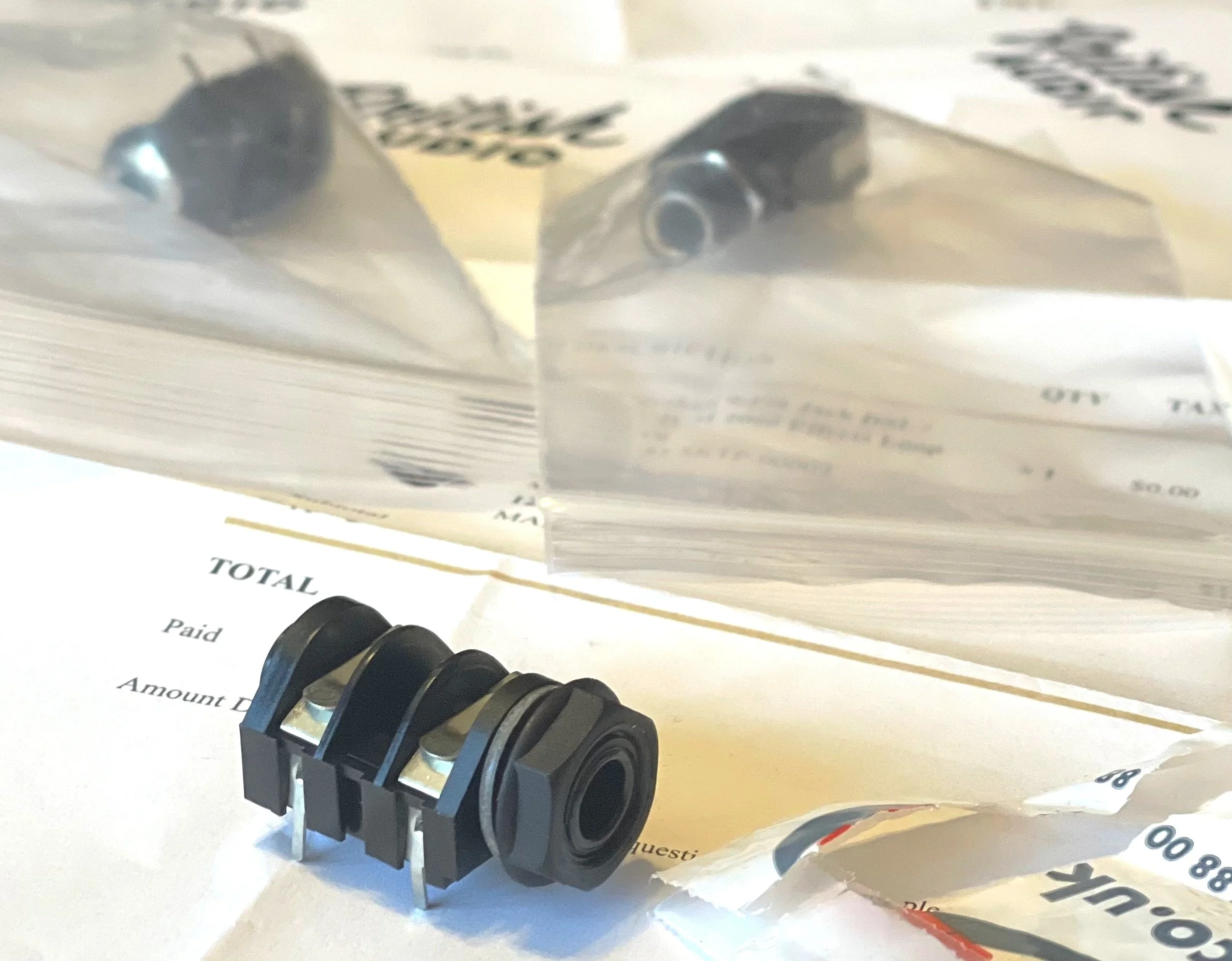
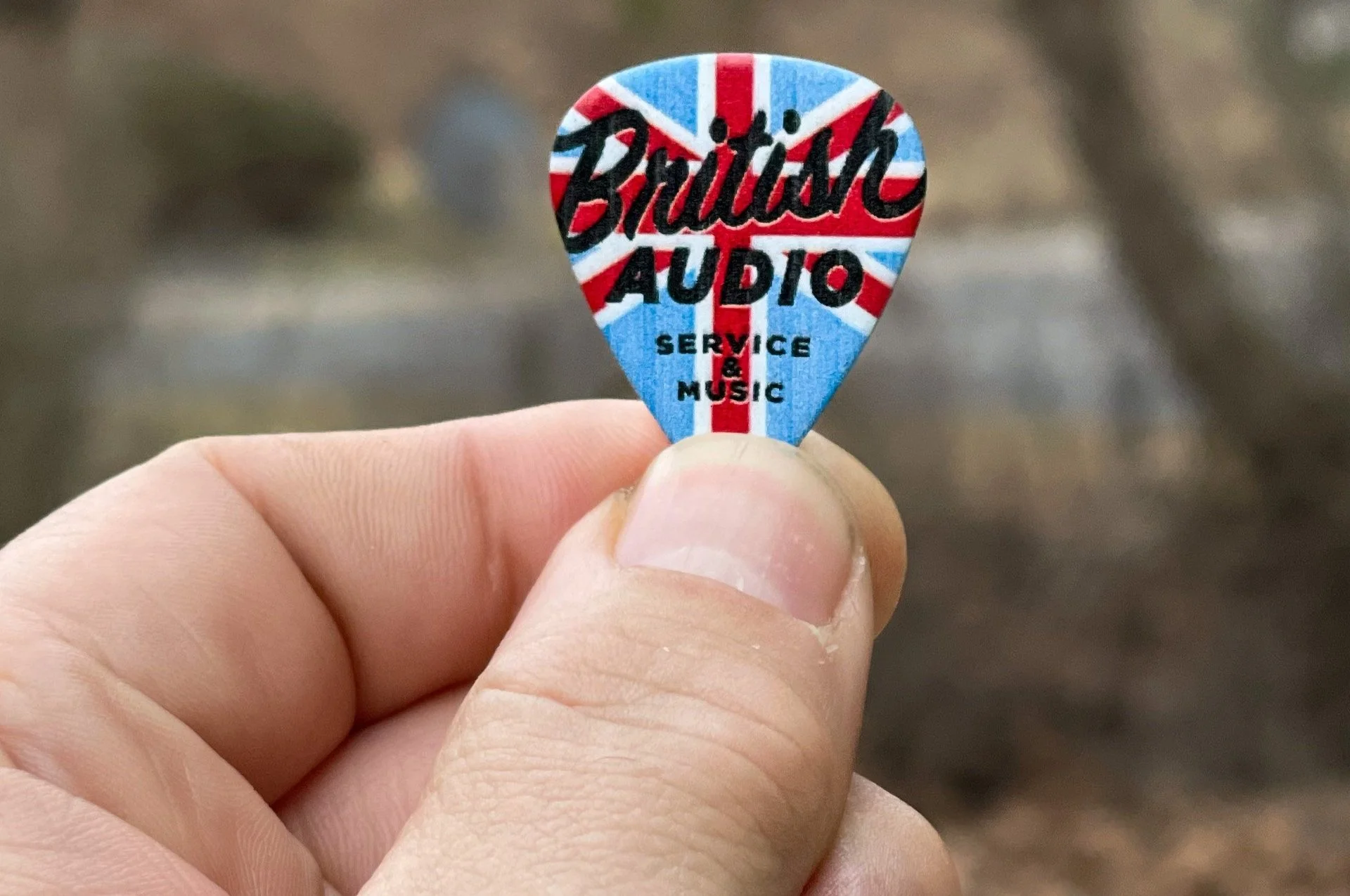
I went through Marshall amplification for the handle, this saved me from getting a generic or fake part. The 8-ohm jack was a different story, I found a shop in Nashville, Tn. called British Audio, it actually took me 3 times to get the right part, the first 2 times I thought I knew what I was doing, the third and last try I actually called the shop, and they got me the right part, third time was a charm. Very friendly staff Nashville Audio was.
The handle I could easily install, the 8-ohm jack was another story. I called around here in my neck of the woods, and Guitar Pus in Beckley, WV gave me the name Keith fain, a retired gentleman that did work on amps.
Keith and I spoke on the phone for over an hour, discussing everything from music to photography. Keith came across as a real people person as well as very knowledgeable in amp repair. He did tell me that the Marshall JCM 2000 did have some Bios issues and the main circuit board was manufactured thin and the replacement boards were thicker and more reliable. I am hoping my current circuit board was changed out prior to myself or Billy Lee Janey owning this amp model.
Honestly my heart sank when Keith told me of the issues this particular amp had, at this point, I was just a phone call away from getting authorization to return it to Guitar Center. It took another search on the internet for see the cost of a replacement board, and I decided to keep my new to me amp. Clearly GC needs to rate their used stuff better, I would have rated this amp as in “Good” condition, would I have kept it if it was rated as such? Probably so, the fix isn’t too bad. The only big fix would be a new circuit board, that would cost me around $200 - $250, The early “2000s” had a problem with bias drift, a new board would breathe new life into it. It really wasn’t so bad after all, and the not so bad to worse news actually had a silver lining, and as promised I added all relevant links below.

Guitar Center: The Almost Rant
I really don’t expect this month’s blog to be long, in fact, it was actually going to be a rant about a purchase I made from Guitar Center in Fairfax, Va. The rant as this blog was meant to become a fast and quick resolve…………

I don't expect this month's blog to be long. It was supposed to be a rant about a purchase I made from Guitar Center in Fairfax, VA. The rant was meant to be a quick and calm discussion with the store manager, John, to resolve an issue.
In late April or early May, I was researching guitar amplifiers. I wanted something for noodling at home, not for gigging or starting a band. I was looking for an amp that wasn't too big and had a warm, bluesy tone. The Fender line of tube amps, including the Blues Deluxe Reissue, NOS, and Blues Junior, is known for their distinct sound and is a popular choice among guitar enthusiasts like me.
After hours and days of reading reviews and watching YouTube videos, I decided on a Fender Blues Deluxe Reissue, 40 watts, in good condition from Guitar Center. Although I had many amps saved in my "wish list," I was sure this was the one. I finally placed my order on May 25.
The much-anticipated day, June 2, finally arrived. The UPS app promised delivery by the end of the day. I was unsure if a signature was required, and my past experiences with UPS and FedEx, where they signed my name and left packages on my porch without my consent, only added to my uncertainty. That's a story for another time.
During late April and early May, I was on a quest for the perfect guitar amplifier. I wasn't looking for something to gig with or start a band, just a compact amp with a warm, bluesy tone for some casual noodling at home. The Fender line of tube amps, including the Blues Deluxe Reissue, NOS, and Blues Junior, fit the bill.
After spending many hours and days reading reviews and watching YouTube videos, I settled on a Fender Blues Deluxe Reissue, 40 watts, in good condition from Guitar Center. Though I saved many amps in my "wish list", I was sure this was the one. I finally placed my order on May 25.
The long-awaited day, June 2, had finally arrived. The UPS app indicated a delivery scheduled for the end of the day. I was unsure if a signature was required, as both UPS and FedEx have a habit of signing my name and leaving the item on my porch without my consent. This recurring frustration was a story for another time.


So it was no surprise to me to find a box (a huge box) sitting on the front porch. At first glance, the box appeared tattered, torn, and beaten up. No way this was my amp. It had to be something else. Maybe the wife ordered something, and my package was coming later. Nope! further inspection of the shipping label clearly showed it was from GC. My excitement quickly turned to anger, not only at the condition of the box, but also at the poor tape job on the outside of the box, as well, but UPS was not innocent in this. I initially decided to hold off, expecting the contents until the next day, as I had other pressing issues to contend with at the time, but I felt compelled to confront this. So I opened the box.
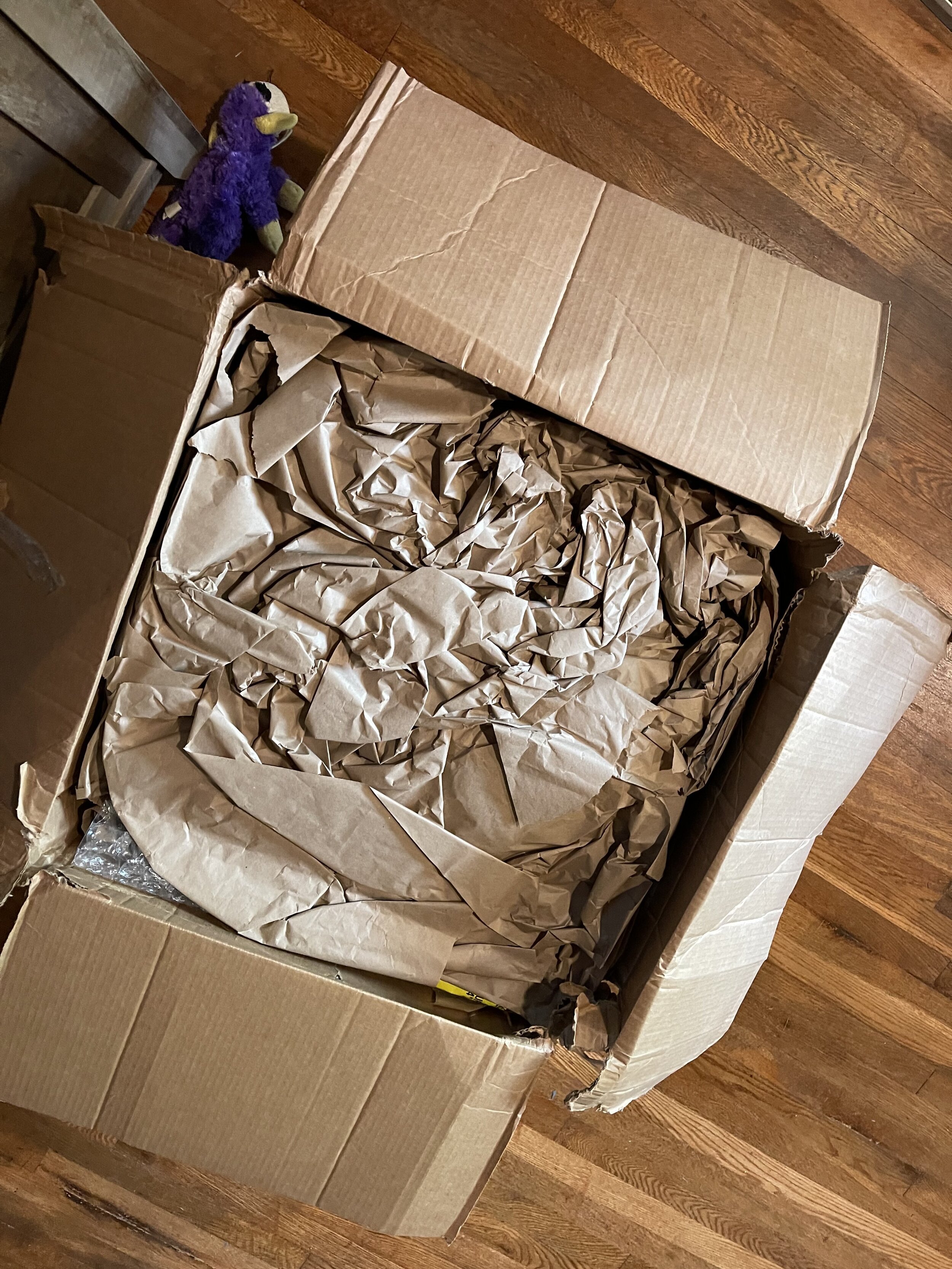
First off, I noticed the lack of bubble wrap, just one piece lying across the grill cloth; the rest of the packing consisted of wadded up paper, little to no protection for the amplifier inside.
At first glance, the amp looked unscathed, unlike the outer box (eye roll). I started to feel this situation wasn’t as bad after all until I decided to get my guitar and plug it in, hit a note on my guitar, and nothing. Well, maybe I needed to let the tubes warm up, but still, nothing— just the unsettling sound of the reverb echoing every time I moved the amp. So, after further inspection, I noticed that one of the preamp tubes was shattered completely, hanging on by a thread from its socket. Then I saw the impact point on the back left corner of the amp.
I didn’t waste any time, and soon I was on the phone with the Guitar Center. I got to the store and was transferred to someone I thought was located at the Fairfax store. I spoke to someone named Logan and told him my situation. He responded to me with a comment about the poor packing, damaged box, and broken preamp tube. “What do you expect when you buy a used amp?” What?! Are you kidding me?
After serval minutes on the phone with Logan, and me repeatedly telling him it was the preamp tube(s) I needed, what does this young Man do, well to add insult to injury, he sends me the wrong tubes, I received the two larger tubes that are in the amp, I then decided to order the correct ones myself,
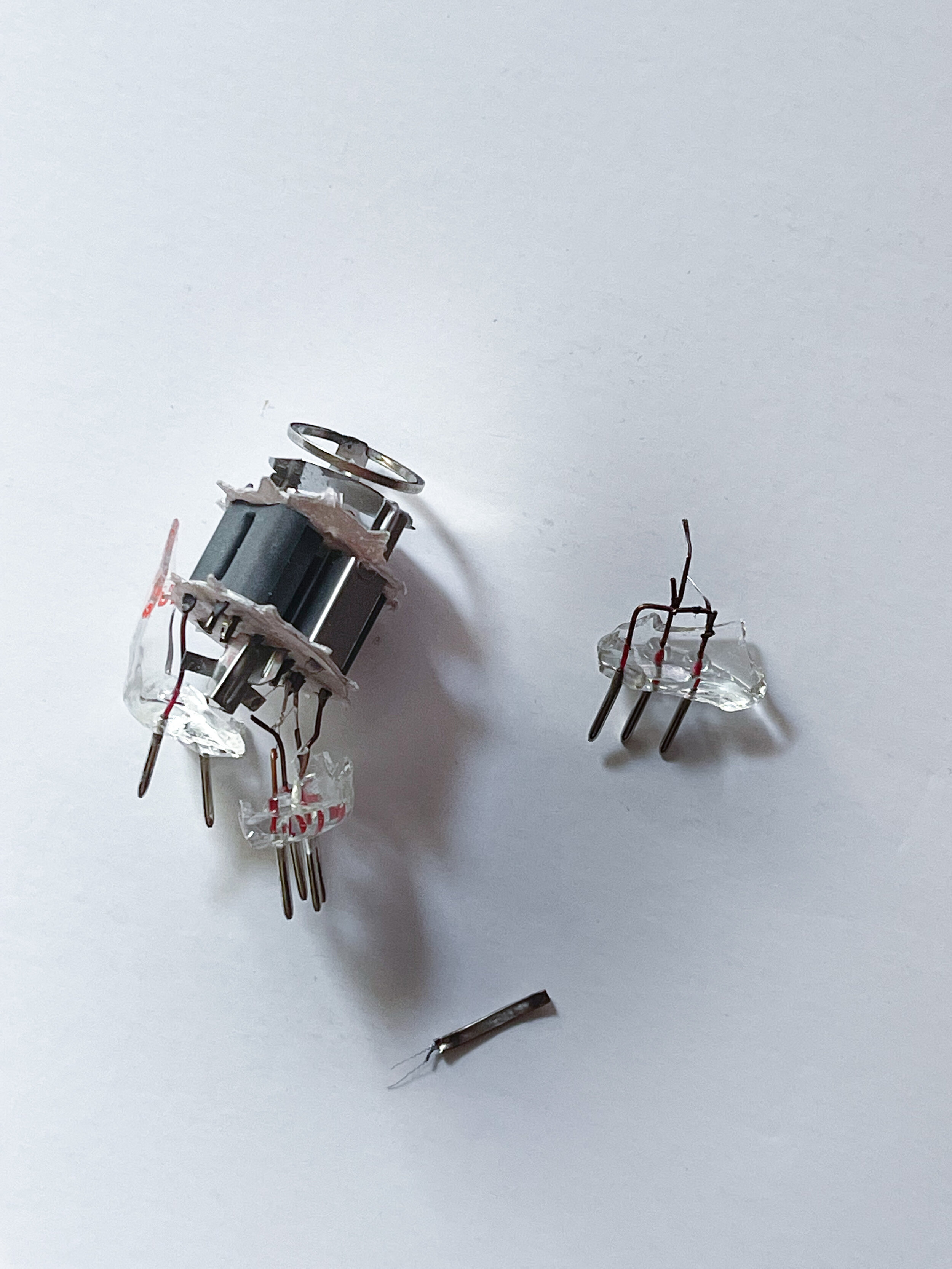
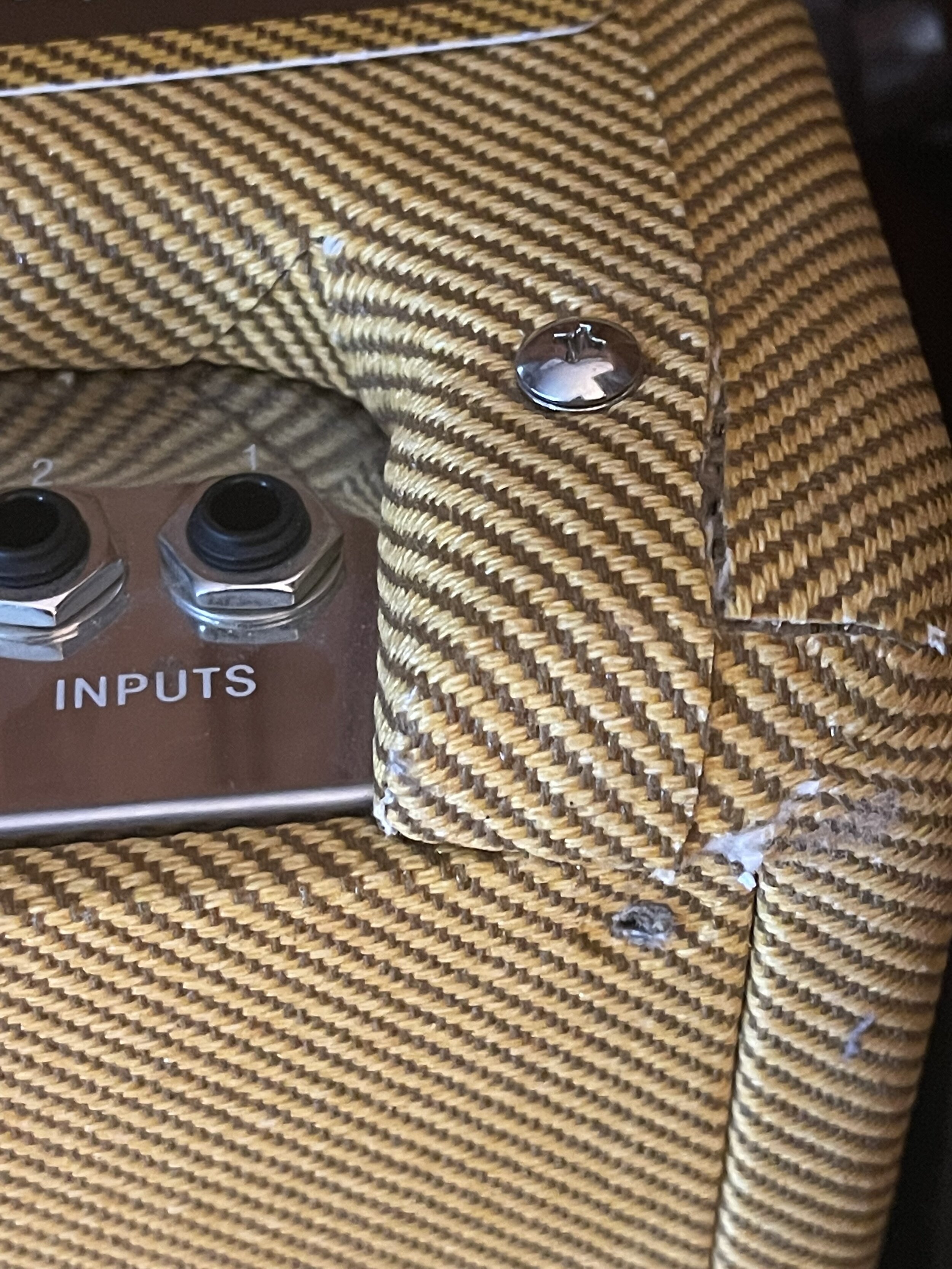
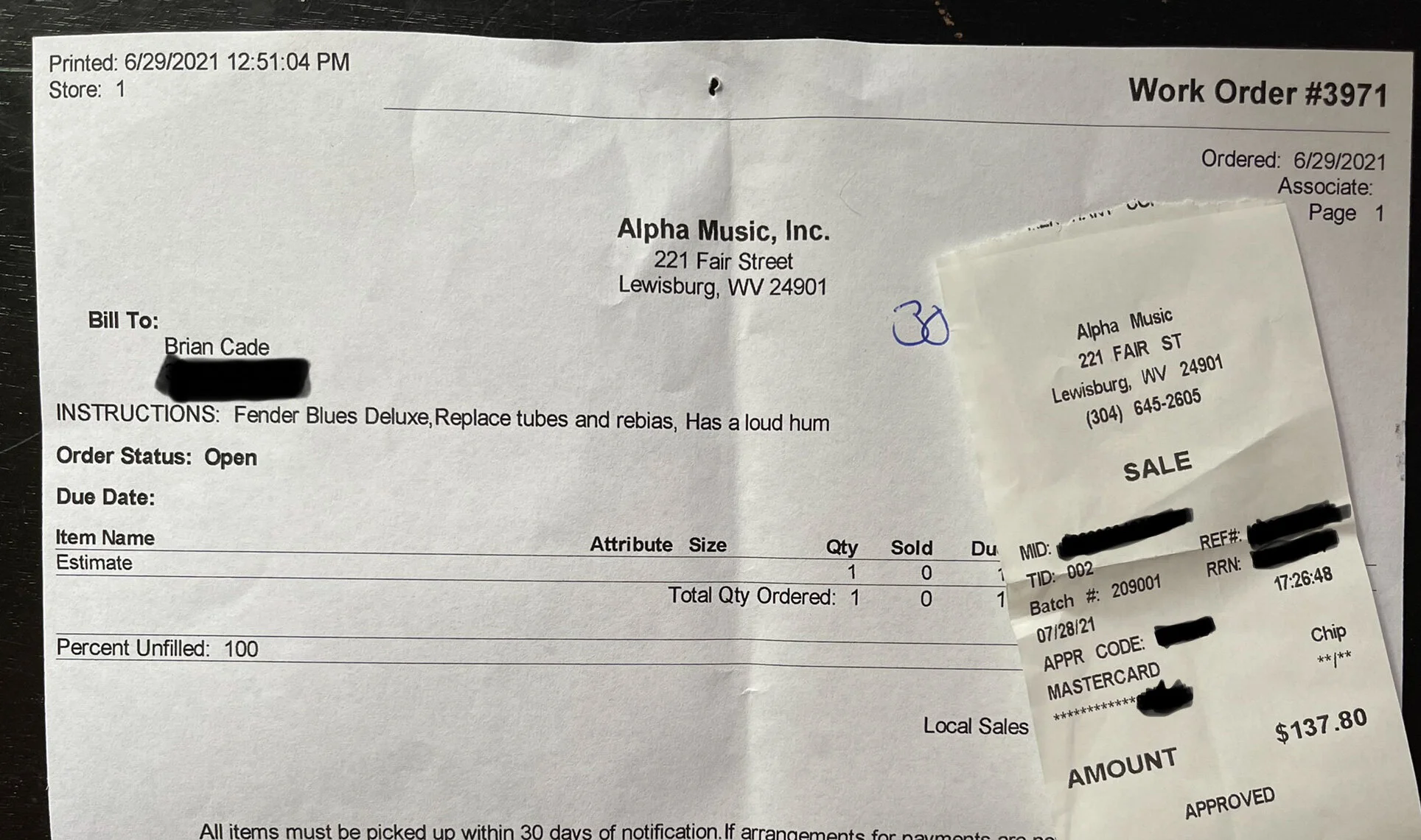
Once the correct tubes arrived, I decided to take my amp to a local guitar repair shop, Alpha Music. I told them to do whatever was necessary to bring the amp back to 100%, and they did—wonderful work. There was still one thing I felt compelled to do: call the GC Fairfax store and speak to a manager about my less-than-satisfactory experience, not so much to get compensated for my trouble but to hopefully pass on what I had to deal with so no one else would have to go through the same. It was a Thursday when I spoke to their customer service manager—let's call him “He that shall not be named” (his idea before the blog was written). He then referred me to the store manager, John (who wasn’t in that day), on this matter, so I decided to call back the next day.
There was still one thing I felt compelled to do: call the GC Fairfax store and speak to a manager about my less-than-satisfactory experience. It wasn't so much to be compensated for my trouble, but to hopefully pass on what I had to deal with so no one else would have to go through the same. It was a Thursday when I spoke to their customer service manager—let's call him “He that shall not be named” (his idea before the blog was written). He, in turn, referred me to the store manager, John (who wasn’t in that day), about this matter, so I decided to call back the next day.
On Friday, July 30th, I called John. I won’t go into the entire conversation we had, but I will say it was calm. John checked his computer about my order. The person Logan I spoke to about the replacement tubes, which John told me I must have been transferred to the distribution center, which is why there was no Logan working at the Fairfax store when I inquired. This is where it gets interesting: John also told me that the amp I received was actually not the one I ordered. I noticed this when I looked at some screenshots I took of the one I thought I was getting; it had some marks and showed signs of use, character.
The amp I had in my possession was a newer one. According to John, he had two at the store when I placed my order. One was missing, it seems there was a “new” person they had working at the store, and he shipped me the wrong amp. It should have dawned on me that the amp I had was different; how many used amps come with the little cardboard info sheet that lists the features of the amp?
The bottom line is I know that retail folks always get the short end of the stick when it comes to complaints, they’re treated like crap daily, the store manager at the GC Fairfax store was very attentive, understanding, and showed a genuine concern in what I went through that led to our conversation. All I wanted or expected was to be heard, not just to be acknowledged, but truly understood. I came away from the discussion with that, and it was enough. John also refunded me my shipping, which was very generous. I will be shopping at this store in the future.


What Was Once Lost....Is..... Re-bought 40 Years Later

Between seeing the KISS Dynasty tour in ‘79 and my summer job at Chicago fest in ‘81 and ‘82, my interest in making music was rekindled again; I had been taking acoustic guitar lessons off and on since age 13 at the Chicago Boy & Girls Club in the uptown area a couple of years before those events.
My fixation on the Gibson Les Paul is mainly due to Jimmy Page, but I also owe a great deal to Ace Frehley. It was Ace and the Les Paul that sparked my interest in my music journey. I’d have to say, it was between the TV shows “Midnight Special” in 1975. Don Kershner’s Rock Concert in ‘76 on a small black-and-white TV sealed it.

Around the same time, some friends and I hung out at this spot called Biasco Music on 5535 W. Belmont Ave. I had to look that up, but it's restaurant and a parking lot now. We’d smoke some pot, jam to tunes on the record player, and later you’d find us in one of Biasco’s sound booths just messing around on random guitars. That’s where I got my first real guitar—a brown tobacco sunburst 1978 Gibson Les Paul. I know I was high when I bought it because I couldn’t figure out why I had a layaway receipt in my pocket the day after visiting the store. In the end, though, I paid $500 for it, which wasn’t a bad deal considering Gibson only made about 5,000 Les Paul’s that year, and they had a street price of $749. Back then, I was in several bands, each one a close-knit group brought together by our love of music. We’d rock out to the hits of the time, but our original songs always had that punk rock vibe that reflected our energy.

Here’s Eddie(drummer)and I in better times, he’s holding my 1978 Gibson Les Paul

Pictured above is my old ‘78 Gibson Les Paul, along with an Alvarez 12-string acoustic guitar. I traded my fluorescent green Charvel Model 2 guitar to a friend (we swapped back later).
Nearly 40 years after my original guitar was stolen, am I still bitter about it? I was for many years, until I recently contacted the person who took it and shared my feelings. That conversation allowed me to move on; I guess I just needed to hear some kind of explanation for his actions. A couple of factors motivated me to play again. I wanted to return to playing for my own enjoyment, and I have to credit my renewed love for the guitar to a couple of musicians I discovered on YouTube: Dave Simpson and his band, the Dave Simpson Trio from the UK, as well as Jeff Mcerlain, a performer and instructor based in NYC. I'll link their channels below.
So, in late May 2021, I went on Reverb.com and bought a 2003 Epiphone Les Paul Plus Top (pictured below). However, when it arrived, I found that it had a tapered neck, which I felt was too thin for my liking. Despite it being a Gibson brand and a Les Paul, I quickly experienced buyer's remorse and became unhappy with it. It's currently back on Reverb for sale. I realized that if I was going to own a Les Paul, I wanted it to be the real deal.


The search was on. I looked online for another '78 Les Paul and quickly discovered that the prices were far out of my reach. During my search, I also learned about a feature now found in the Gibson line called "weight relief." As a result, I focused my search on finding a model without weight relief and with a beefier neck—at least thicker than the one on the Epiphone I had purchased earlier. That neck was too thin, and I really disliked it.
Over the next few weeks, I explored Guitar Center, Reverb, eBay, and various other sites for reviews and specifications on particular models. Eventually, I narrowed it down to the Gibson Les Paul Traditional model, specifically from the years 2013, 2014, or 2015, which featured a beefier neck. Then, I found it—actually, I found two that met my criteria on eBay, both with 50s-style necks, no weight relief on the body, and both from 2013.
However, there was one small detail: one had a cherry burst body (which I’m not a fan of), while the other had more of a honey burst. Naturally, the honey burst won out, and the images below illustrate why. As a quick side note, a closer inspection of the original box reveals that the color is listed as "Carmel burst," and it is part of the "New Traditional" lineup of the Gibson Les Paul series. Members of the Gibson guitar owners' page on Facebook confirmed this information, so, in retrospect, it’s close enough to honey burst for me.
So, what’s the verdict? Does the Traditional come close to my old '78 Les Paul Standard? I have to say “yes,” it does. The Traditional is more or less the equivalent of the Standard of old. The newer Standard models have chambered bodies, whereas the Traditional and the old Standard are solid. Furthermore, the newer Standards come with a slim 60s-style neck, while the Traditional features a beefier 50s-style neck.


I wanted to mention that I’m getting back into music purely for the enjoyment it brings. I still remember a few things and can navigate the fretboard, but with YouTube, I can easily explore genres I love—specifically blues and punk rock.
Now, regarding a couple of recent developments: some friends and I are toying with the idea of forming a cover band, focusing on punk music. Our main goal is to enjoy playing together, but that’s a topic for another blog post.
Lastly, I have to credit my renewed passion for playing to a few YouTube channels. First, there’s Dave Simpson from the Dave Simpson Trio in the UK, and then NYC instructor and performer Jeff McErlain. Additionally, my enduring love for jazz and blues music shines through in the Jazz and Blues YouTube channel. Months before I decided to get another Les Paul guitar, I was listening to these channels, and they reignited a spark within me as a middle-aged man. I’ve listed their channels below and highly recommend checking them out for a look and a listen.
“When I was young I wanted to play the guitar badly. After years of hard work, practice and determination, I can play the guitar badly”
Some links I found helpful:

Review : Pelican Phone Case (The Shield)
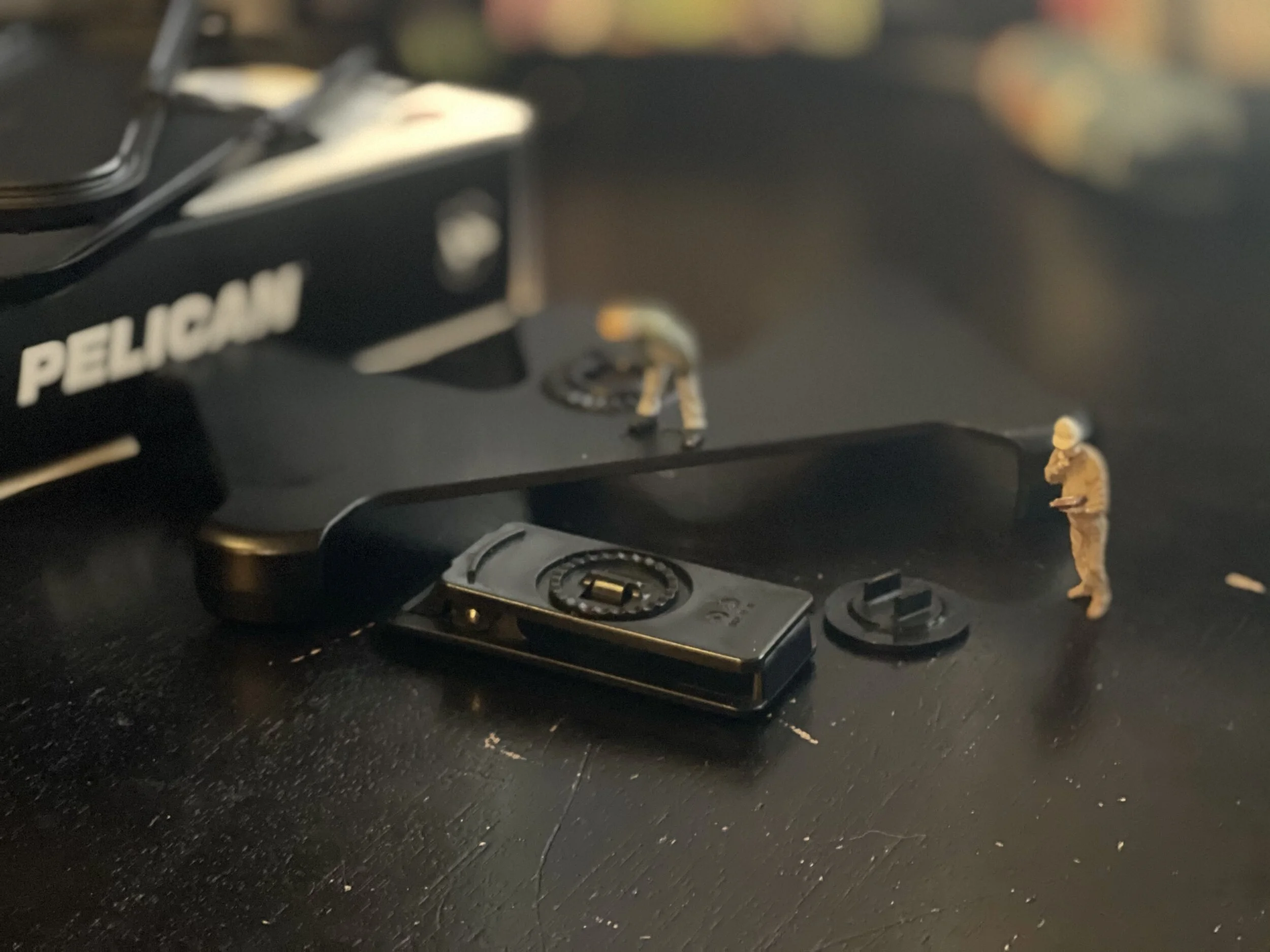
This time I decided to try a new case for my new phone; enter the Pelican Shield. To put it bluntly, the case failed me in less than 14 days after purchase. it literally (my phone) slid down my leg with pieces of the belt clip fell nearby
Unlike my “new gear” post, this is actually going to be a review……sort of, well more of a cautionary rant, It started when I not only switched to a new phone carrier, but I upgraded to the new iPhone 12 Pro Max as well, so with a new phone comes a new case to help protect it. Right?
First off I’ve used Otterbox Defender cases for years without a hitch, well maybe replacing pieces from normal wear and tear over a long period of time.
This time I decided to try a new case for my new phone; enter the Pelican Shield. To put it bluntly, the case failed me in less than 14 days after purchase. it literally (my phone) slid down my leg with pieces of the belt clip laying nearby. The shell of the case actually did protect the phone when it hit the floor, but the belt clip was in 3 pieces, something you wouldn’t expect from a trusted brand like Pelican let alone a $70 case. Trust me, just because it cost a little more doesn’t make it better.
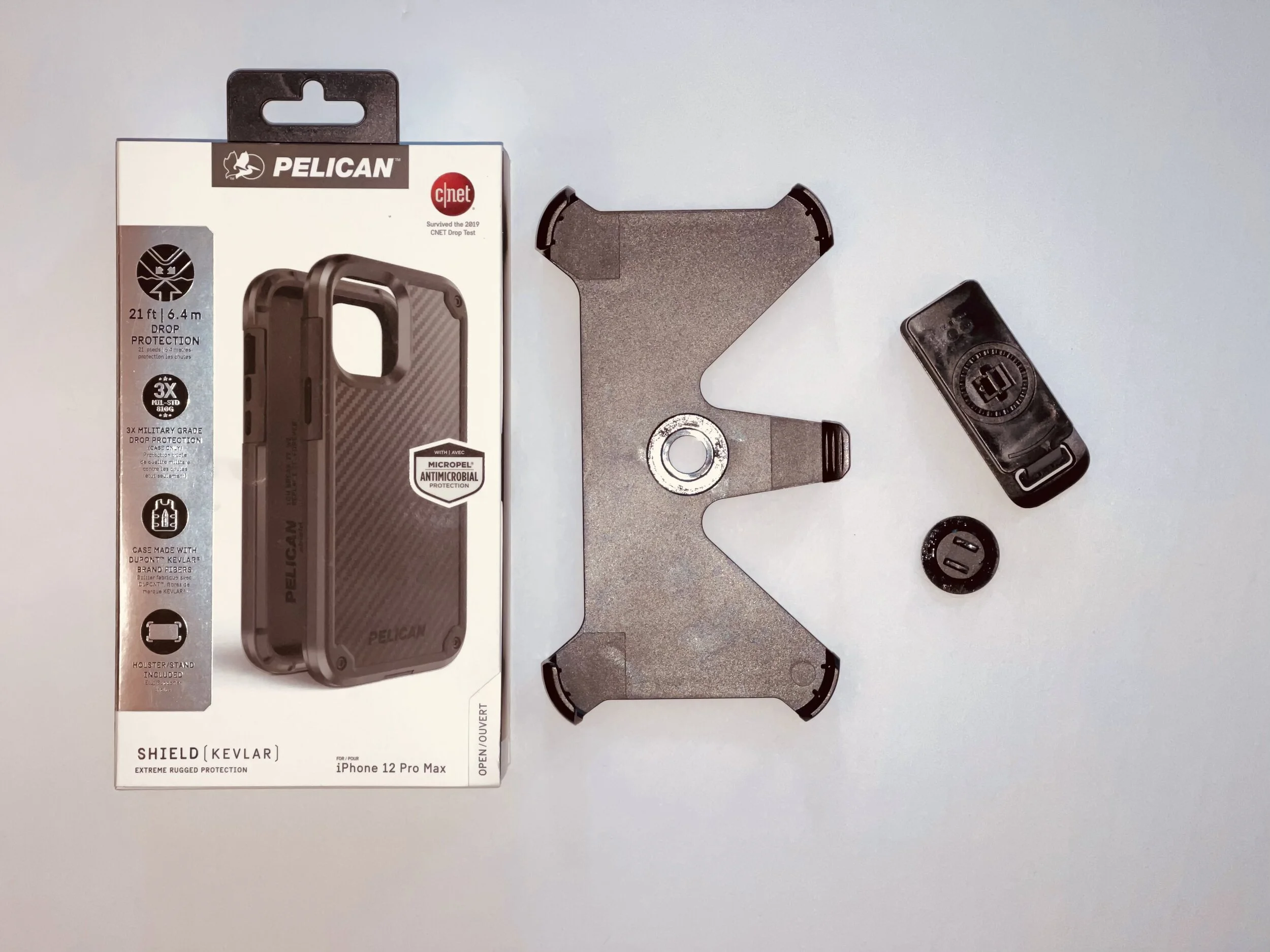
The thing that was most disheartening about the Pelican Shield, was Pelican allows their name to be marketed to sell this case, the company that actually puts out this case is called Case-Mate; never heard of them till I put in a claim for this case, which was a $7 processing fee for the replacement. I’ve used Pelican cases for my photo gear, and it’s one tough brand to beat. But if Pelican has licensed their name for this poorly made case, for shame. I have since taken the Pelican Sheild back for a full refund and since gone back to Otterbox, and couldn’t be happier.
Footnote, from what I have gathered from my very short experience with this Case-Mate product? their customer service was quick to reply to my claim, but that still doesn’t make the case any better, especially when I thought of having to keep throwing money at this for replacement and the “what if’s” in life, such as what if I was at a restaurant and this happened and I was unaware my phone was hitting on my seat after the clip broke? what if I was on a walking trail and the phone dislodged from the inferior clip of this brand? I can go on and on, but I won’t. Cause in either scenario I would have been unaware and without a phone. Yea, what if.

New Gear : Sony a7R II (Part 2 of 2)
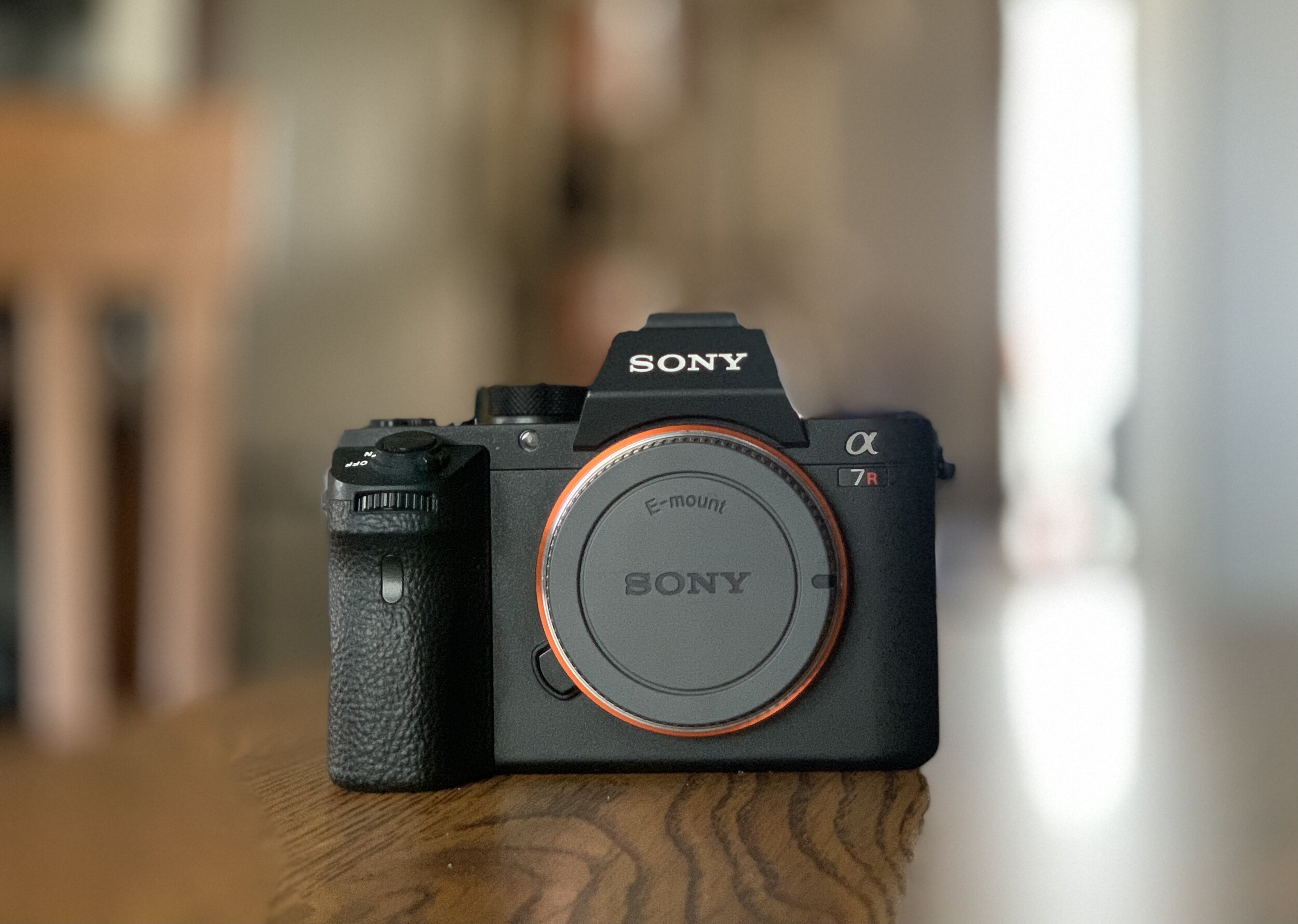
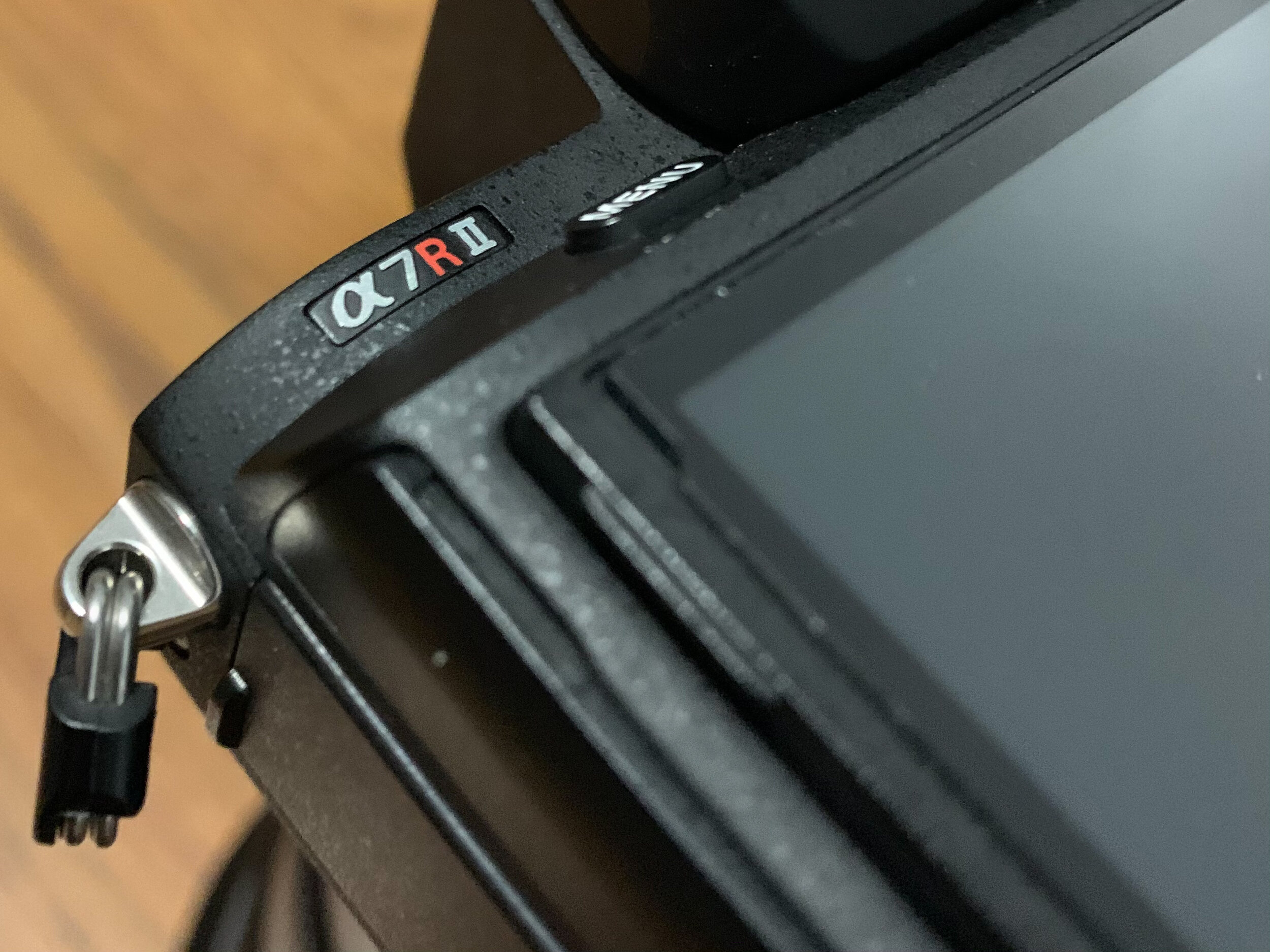
I’m just a few weeks late with the January blog, but for good reason. Last month I had gotten the Sony super sharp 135mm f/1.8 lens, I was at the time looking at what mirrorless camera body to complete my purchase; Sony’s A7 III and A7R III were in the running. But wait, the title of this blog post mentions the A7R II, So why the sudden detour from my previous choices.

I' m just a few weeks late with the January blog, but for good reason. Last month, I got the Sony super- sharp 135mm f/1. 8 lens. I was also looking at which mirrorless camera body to complete my purchase; Sony' s A 7 III and A 7 R III were in the running. Then I went ahead and bought the A 7 R II. So, why the sudden change from my previous choices?
The three factors that convinced me, especially considering the A 7 R II is five years old, are:
1. The price- even used from B & H Photo, the A 7 R II was $ 1, 1000 cheaper than the A 7 R III and $500 less than a “new” A 7 III. It simply came down to what I could afford without breaking the bank.
2. NO LOW PASS FILTER! At least with the A 7 R II and III, there isn' t one. This will deliver a much sharper image, from what I' ve read. My Nikon D 800 has a low pass filter, so choosing the A 7 R II was a clear decision. I look forward to comparing the images to see the difference- maybe in the next blog.
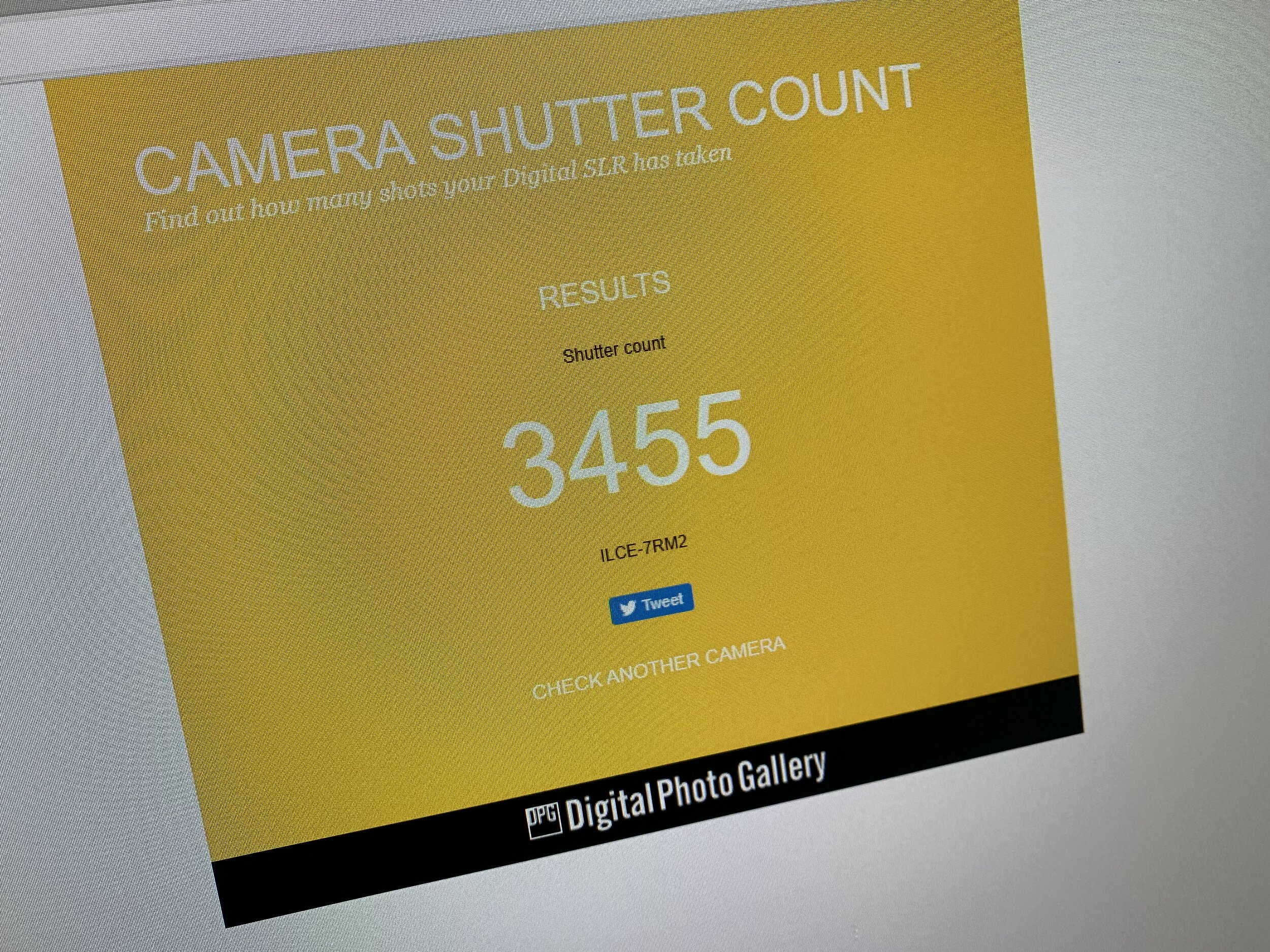
3. Shutter count- although it wasn' t listed on the B & H Photo website (which is rare), I had to take a chance and hope for a lower shutter count, trusting that the previous owner took care of the camera body. The one I bought was listed as a 9 +. I wasn' t disappointed with either the condition of the camera or the shutter count, which I checked through shuttercounter. com after it arrived; the count is shown below.
I' m sure there are additional key features I used as deciding points, like Sony' s fantastic focusing system. The high resolution- both the AR 7 III and the A 7 R III- are quite comparable, but at the same time, they are different. Some features it lacks include a second memory card port, which, by the way, is UHS- I and not the faster UHS- II found in its predecessors. I can live with that. The number of images per battery charge is roughly 290 versus 650 from the A 7 R III. Since I no longer shoot fast action events, that wasn' t a deal breaker either. I' m happy with my first mirrorless camera. I posted a link below to show a more detailed look at the two.
The 3 factors that won me over, especially with the fact the A7R II is 5 years old are.
The price, even at “used” from B&H Photo, the A7R II was $1000 cheaper than the A7R III, and $500 less than a “new” A7 III. So simply it came down to what I could afford without breaking the bank.
NO LOW PASS FILTER!! at least with the A7R II & III, there isn’t one, This will yield a much sharper image; well from what I’ve read. My Nikon D800 has a low pass filter, so getting the A7R II was another clear choice. I look forward to comparing the images to see the difference. maybe the next blog.
Shutter count, though this was not listed on the B&H Photo web site ( rarely is if not at all) I just had to roll the dice and hope for a lower shutter count and the previous owner had taken care of the camera body, the one I bought was listed as a 9+. I was not disappointed on either, the condition of the camera or the shutter count as I was able to check it through shuttercounter.com when it arrived; the count is shown below.
I am sure there are a few more key features I used as deciding points, such as Sony’s amazing focusing system, The high resolution, both the AR7III and the A7RIII are really not that different in comparison but at the same time, they are. Some things it lacks are a second memory card port, which by the way is a UHS-I and not the faster USH-II found in its predecessors, I can deal with that. The images per battery charge is approximately 290 vs the 650 you’d get from the A7R III, since I no longer shoot fast action events anymore, that wasn’t a deal breaker either. I’m happy with my first mirrorless camera, I posted a link below to show a more detailed look at the 2.

New Gear : Sony FE 135mm f/1.8 GM Lens (Part 1 of 2)
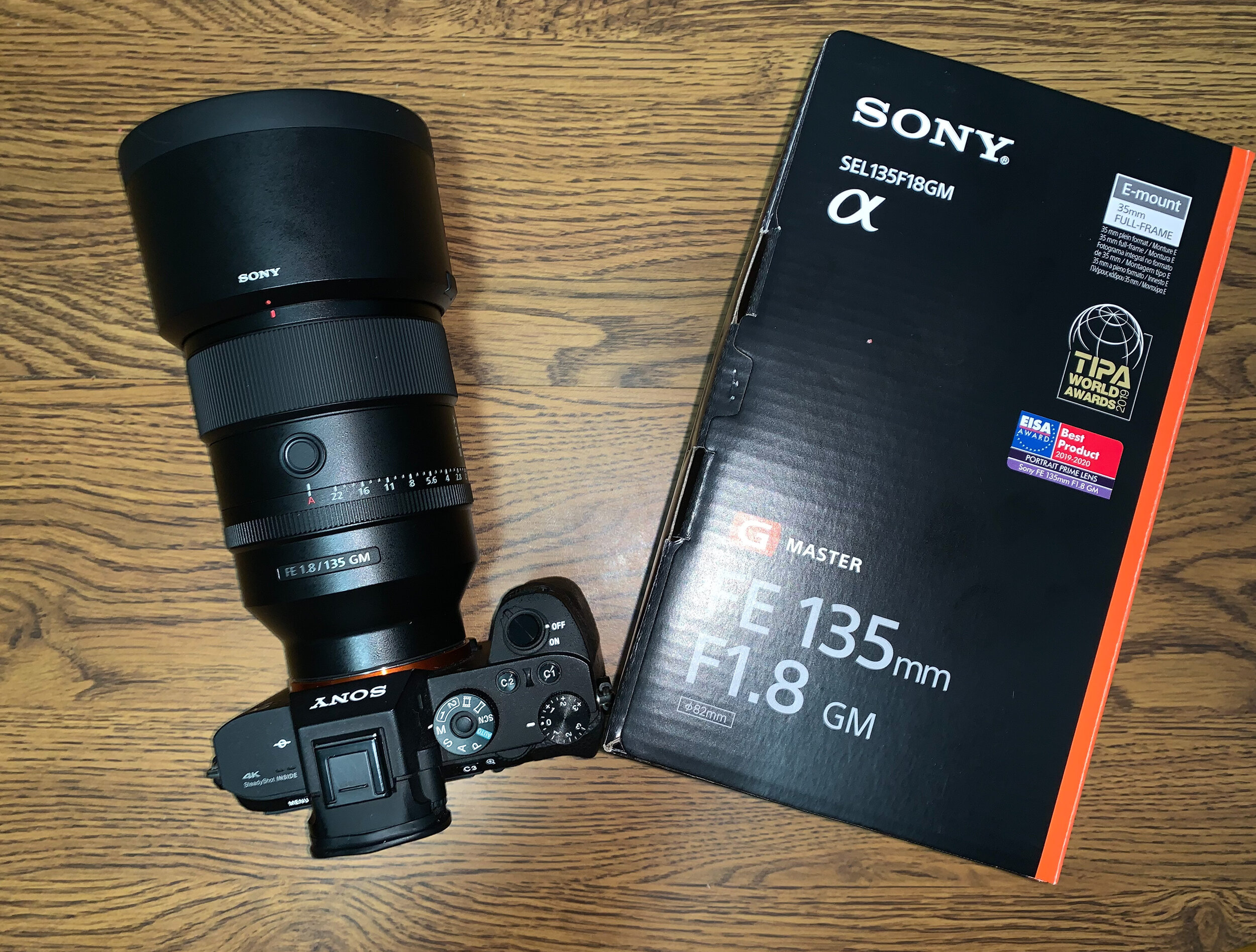
This is me putting the cart before the horse, well the lens before the camera is more like it. I finally pulled the trigger and bought the Sony FE 135mm f/1.8 G Master lens. Wait, don’t I shoot Nikon, and isn’t this lens for Sony’s mirrorless camera system? Yes, it is. So have I switched over to Sony? Not exactly, I intend to stay with Nikon, I just decided to go mirrorless, and Sony got my attention.

This is me putting the cart before the horse, well the lens before the camera is more like it. I finally pulled the trigger and bought the Sony FE 135mm f/1.8 G Master lens. Wait, don’t I shoot Nikon, and isn’t this lens for Sony’s mirrorless camera system? Yes, it is. So have I switched over to Sony? Not exactly, I intend to stay with Nikon, I just decided to go mirrorless, and Sony got my attention.
firstly though, here’s a little bit on this lens and why I have been leaning more towards prime lenses moreover than zooms, which I have been using for years, and importantly my choice with this particular lens...
Prime lenses are known to be significantly sharper than zoom lenses; (I think so). Simply because they don’t have the extra glass inside that moves in order to zoom. As a result, you get a better quality image due to less diffraction and distortion, and with that, the debate over this is ongoing with many photographers. I will admit, they [zooms] do offer a bit more convenience when applying focal lengths to your subject. Such as when I was shooting events, now I am more looking into studio and environmental style portraiture.
According to the specs, the Sony 135mm F/1.8 G Master features 13 elements in 10 groups, it also has a near-circular 11 shutter blade diaphragm, the most used in the Alpha lens series. It weighs in at a hefty 2.1 pounds, with a length of 3.52 x 5″ with an 82mm front filter. more can be seen at the link below:
SEL135F18GM Specifications | α Lenses | Sony US
So with this out with the old gear and in with the new, I’ve gotten rid of most of my zooms, I do have one more zoom lens I am debating whether to part with; My trusty Nikkor 80-200mm F/2.8, and like with my other departed gear over the years, I’ll just take those funds and invest in more prime lens, I’ve been looking at the Sigma Art series for some time. I am still on the fence on which Sony mirrorless body I want; Sony a7 III or the a7r III. That is a blog for another time.
All still images by Brian Cade Photography