
Good News....Bad News and Possibly More Bad News: My Marshall JCM2000 DSL100
Since this was a used piece of gear, and according to the listing on the guitar Center website, it was listed as “Excellent.
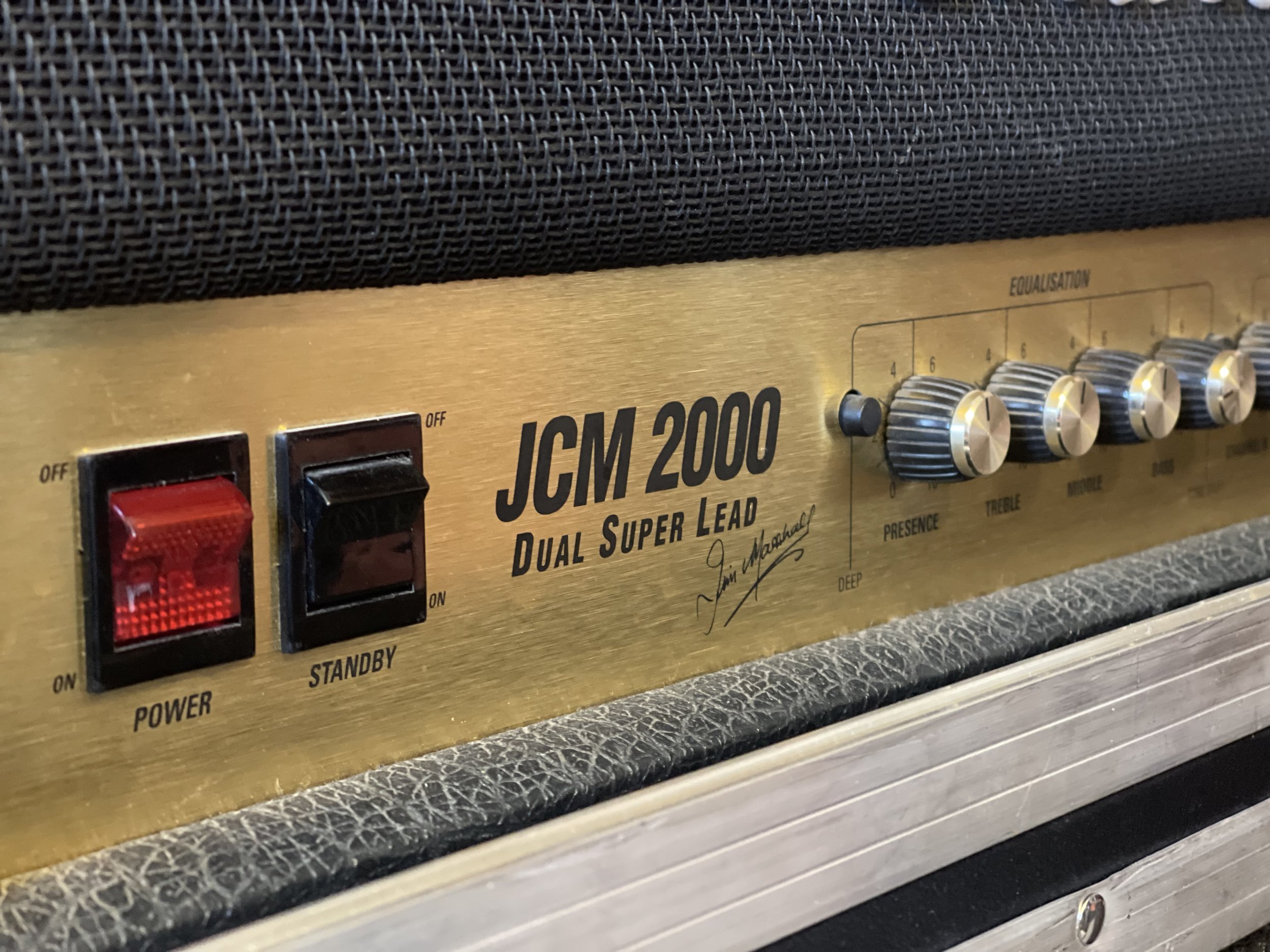
First, here’s the good news: my wonderful wife got me an amp head for Christmas. Our way of celebrating the holiday is to pick up to three things we’d like to receive, and then on the big day, we exchange gifts. This way, there’s some element of surprise during the festivities.
So, I selected my three, knowing very well that the odds of actually receiving one of them were slim to none (grin). Come the big day, and there it was — that one gift I thought might be a bit out of reach. It was a Marshall JCM 2000 100-watt amp, which she got at a pretty good deal from Guitar Center (online), Grand Rapids, Iowa. It even came with an ATA flight case. I was speechless, to say the least. This was going to be a perfect match with my Marshall 1960A cabinet.
Since this was a used piece of gear, and according to the listing on the Guitar Center website, it was marked as “Excellent,” the first thing I noticed was a name stenciled on the flight case: Billy Lee Janey. I paused my inspection to Google his name and search social media just to see who he is. I found out Billy Lee Janey is a very accomplished and established touring blues musician from Grand Rapids, Iowa. I spent about an hour watching some videos on YouTube, reading his bio, and checking online reviews. I’ll include his links below.
So I selected my 3, knowing very well the odds of receiving one of the gifts were slim to none (grin). Come the big day, and there it was, that one gift I thought would be a bit out of reach. There it was, a Marshall JCM 2000 100-watt amp. She got a pretty good deal from Guitar Center (online), Grand Rapids, Iowa; it came with an ATA flight case too. I was speechless to say the least. This was going to be a great pairing with my Marshall 1960A cabinet.
Since this was a used piece of gear, and according to the listing on the guitar Center website, it was listed as “Excellent”, First off there was a name stenciled on the flight case was Billy Lee Janey, of course I took a time out from my inspection and had to google his name and search social media to see who he is, found out Billy Lee Janey is a very accomplished and established touring blues musician from Grand Rapids, Iowa. I took the better part of an hour to watch some videos on YouTube and to read his bio and online reviews. I’ll throw his links down below.
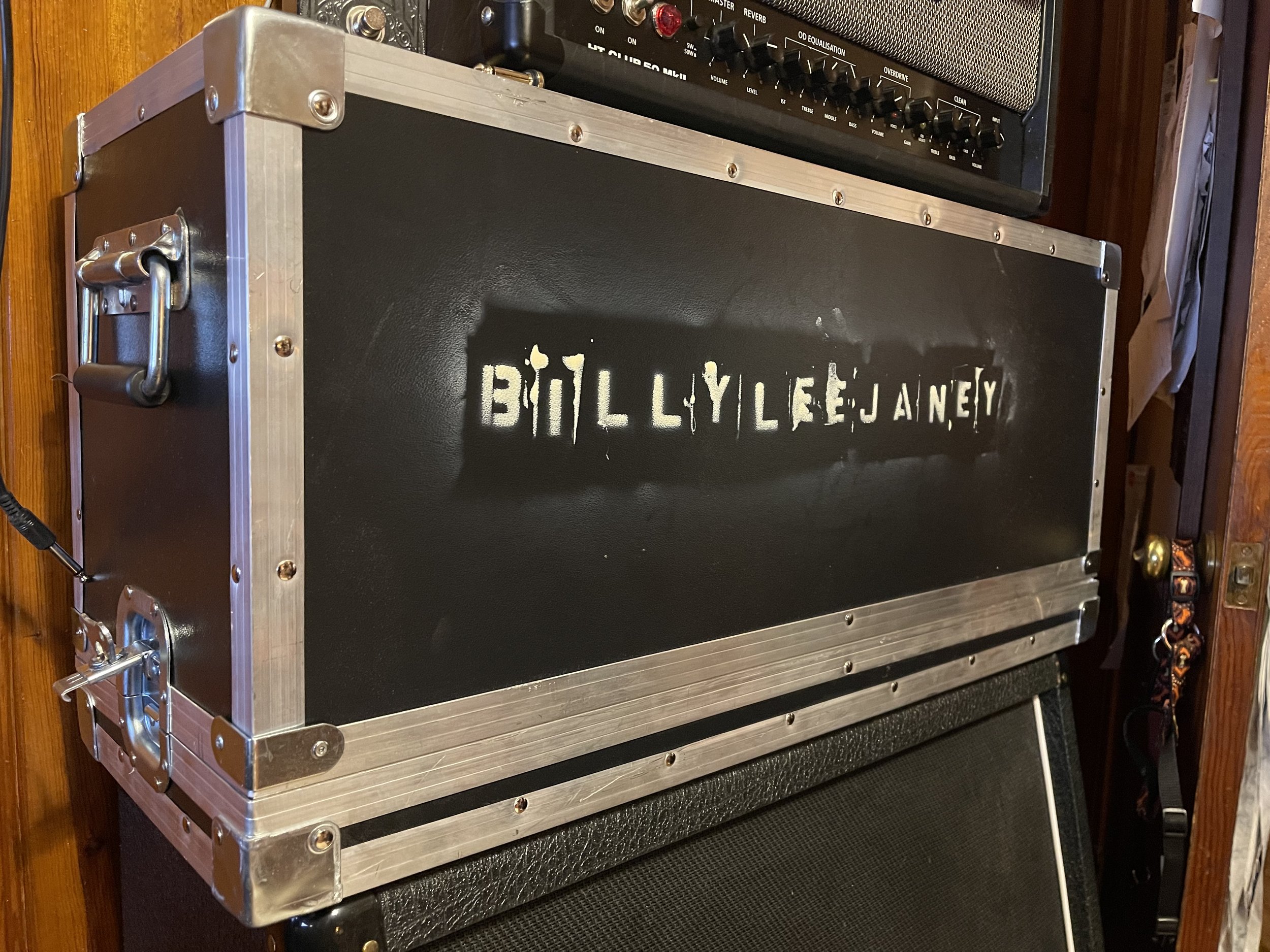
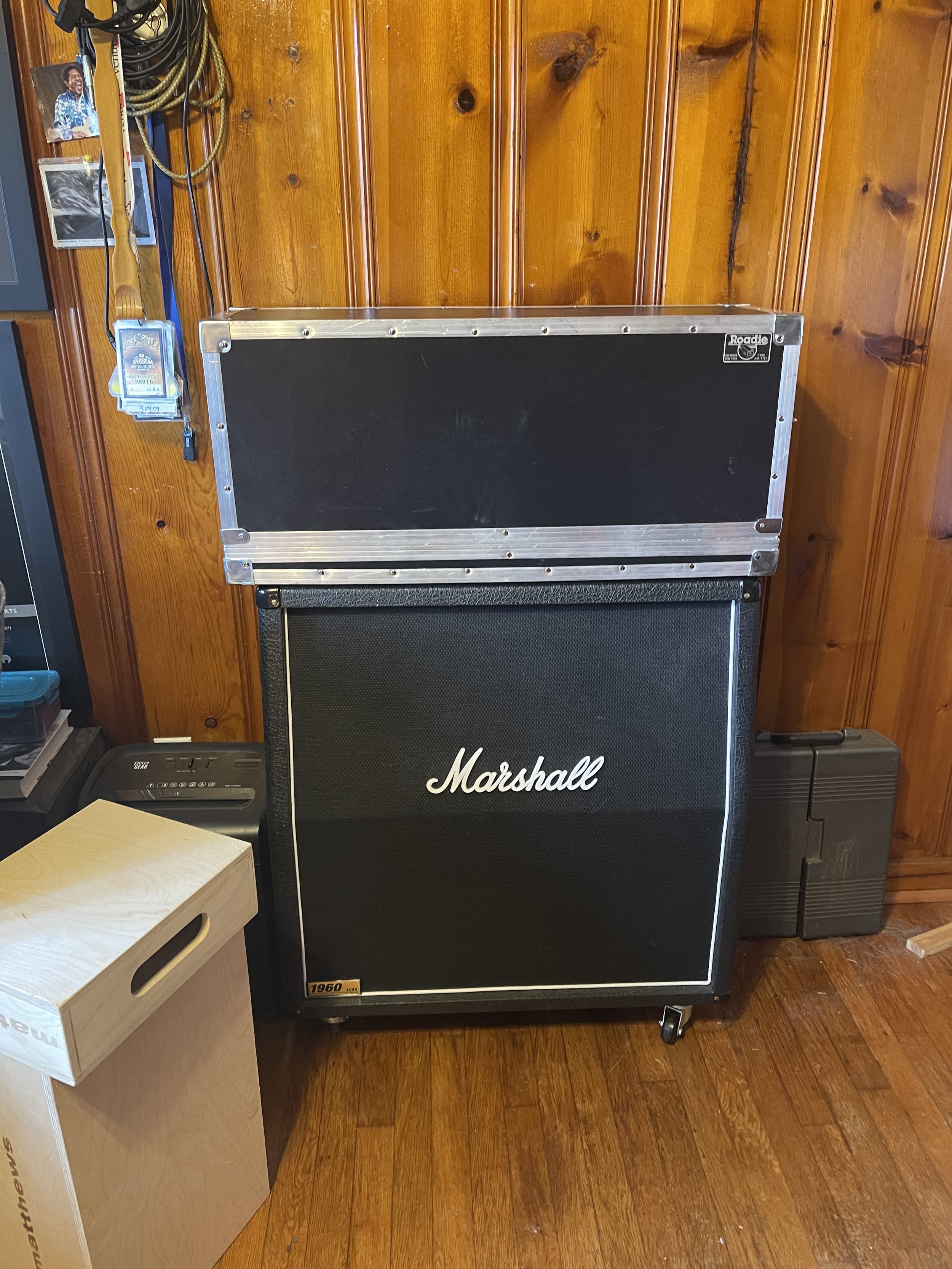
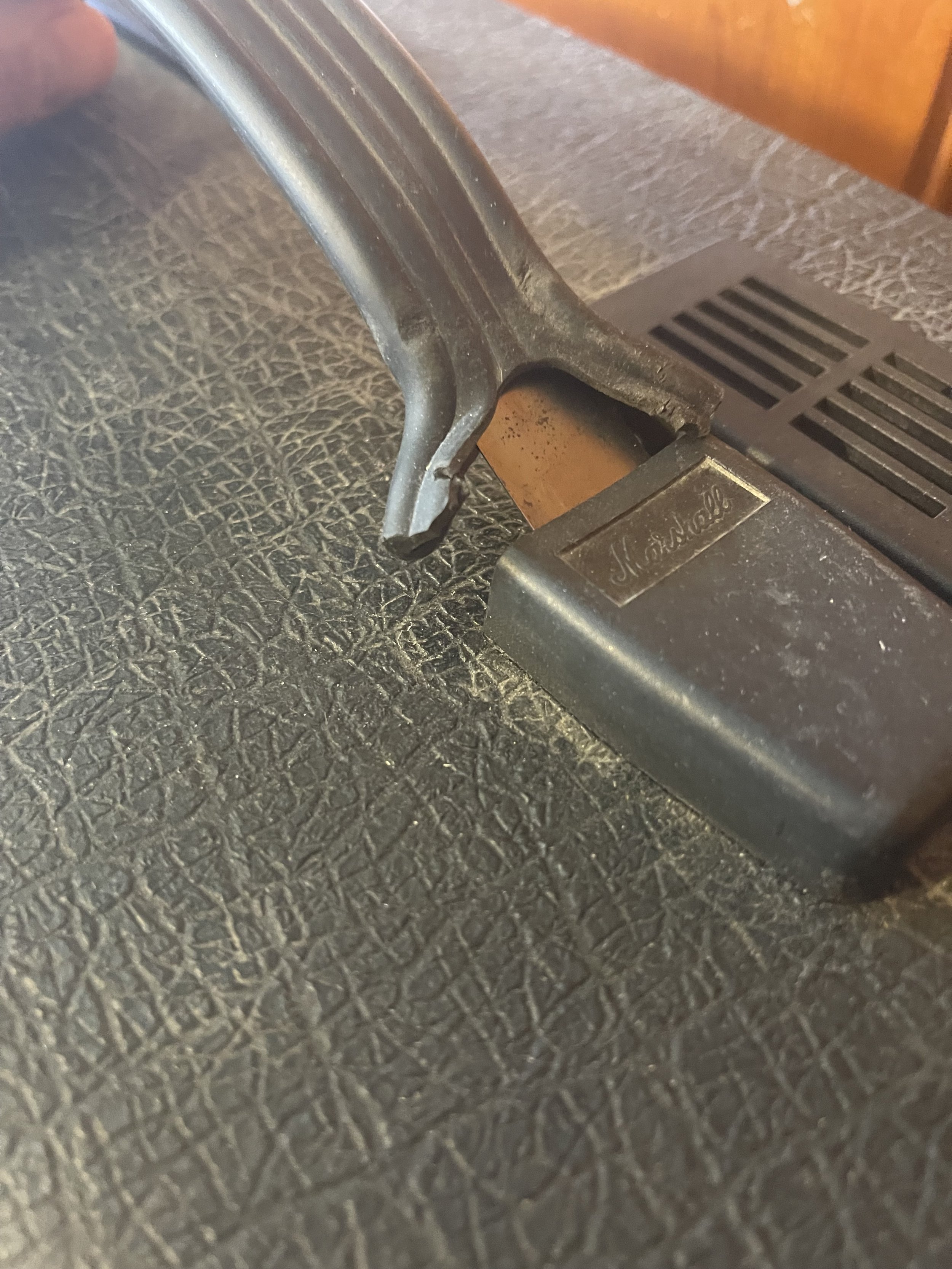
Back to my inspection, and to see what bad news is hidden or obvious, my new to me gear showed heavy use of the handle, no biggie and easily replaceable. If anything, it added some character to the piece, may have been heavily toured from its previous life. The serial number on the rear panel shoed it was a 1997 model, Heck, the amp was over 20 years old, the stories it could tell if it could speak.
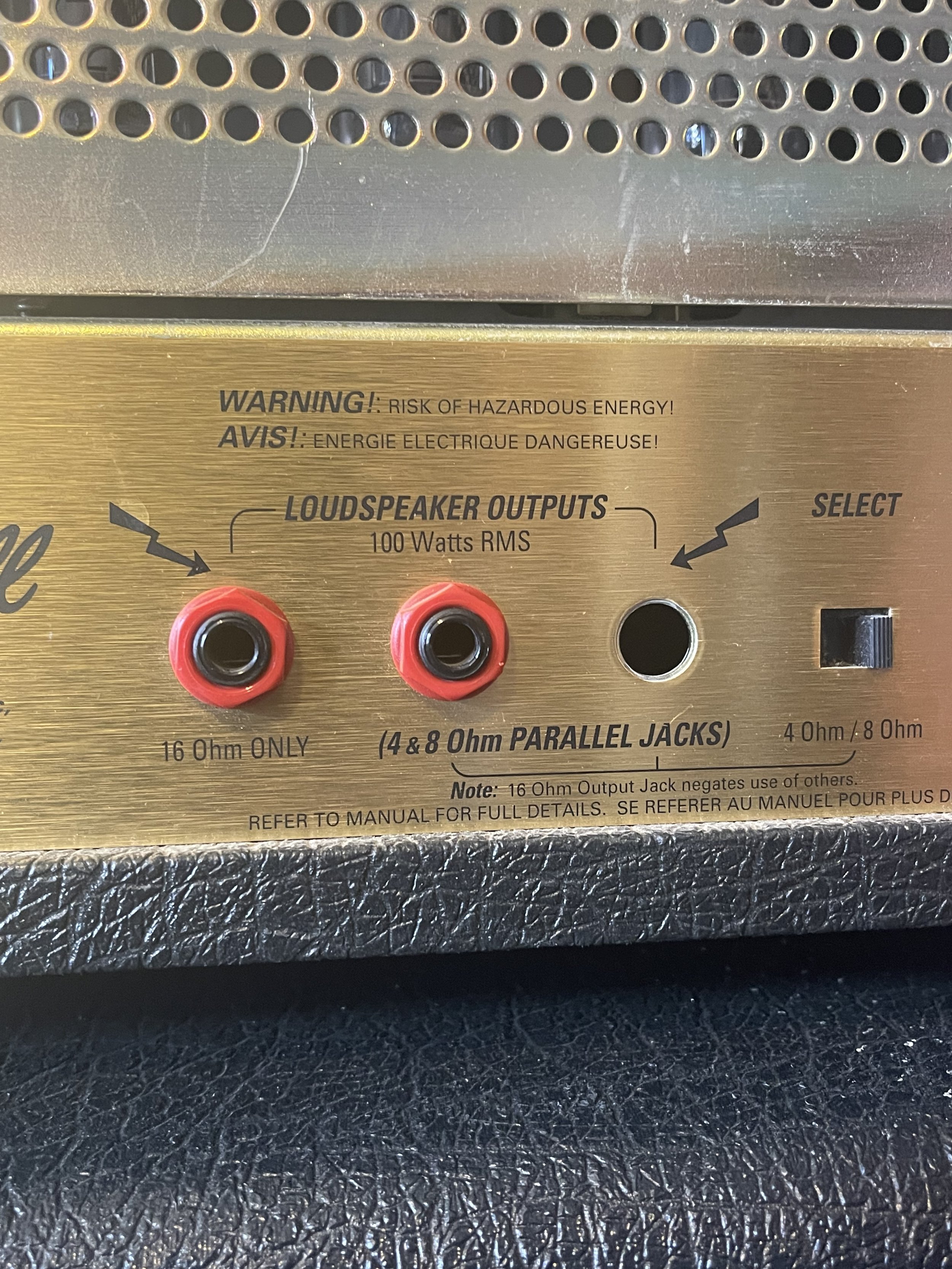
Next, I removed the aluminum mesh grill on the back to insure all the tubes were intact, and they were, the inside of the chassis was dusty, still, it was used gear, easily remedied. The back panel showed it was missing an 8-ohm jack input. Not a deal breaker, and easily fixable. So, all I was able to see visually was the handle needed replaced and an input jack, I finally plugged in my Gibson Les Paul and powered up the amp, strummed a few notes, damn this thing was loud even at 1, scared the crap out of my dog though.so onto the worldwide web we go.
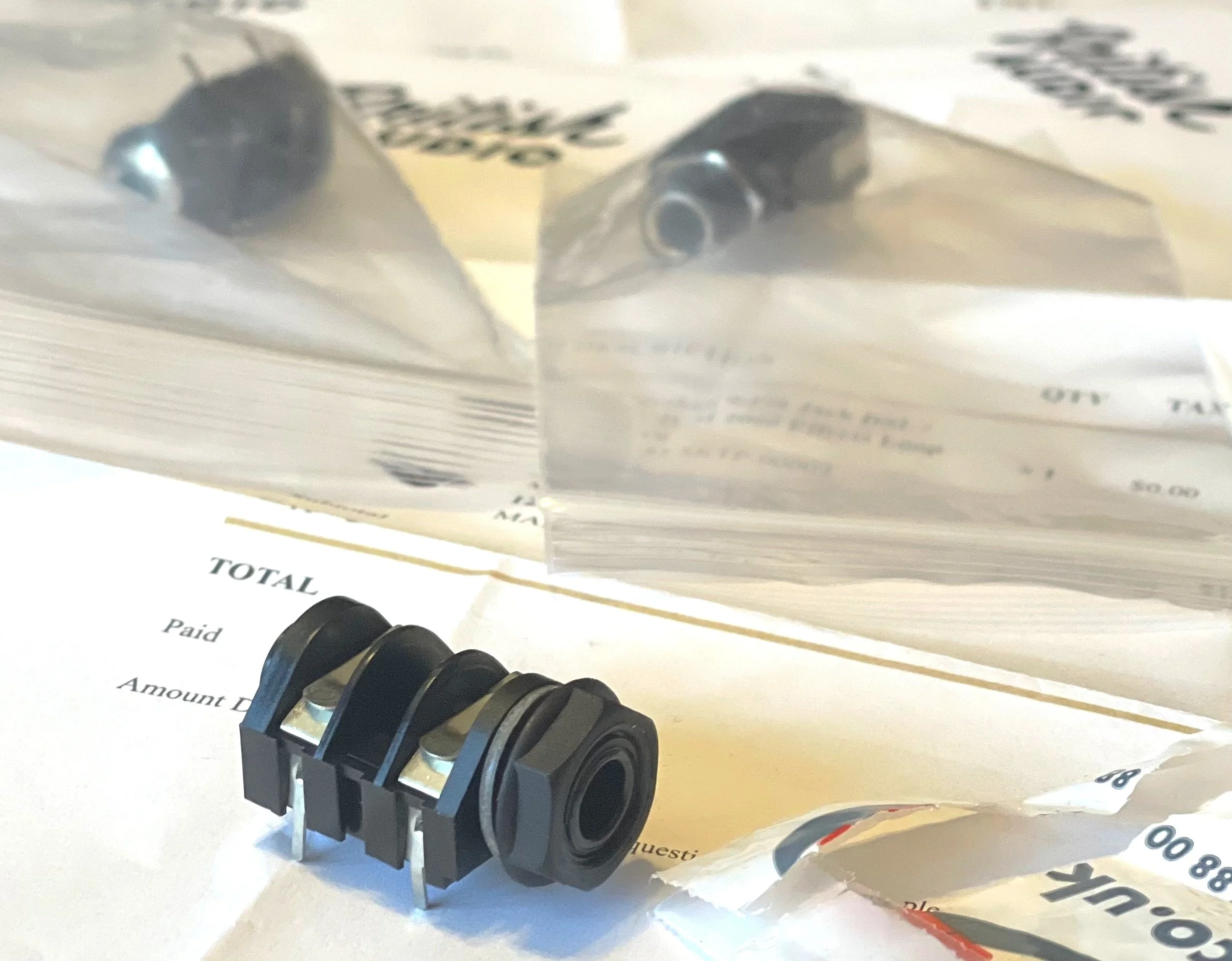
I went through Marshall amplification for the handle, this saved me from getting a generic or fake part. The 8-ohm jack was a different story, I found a shop in Nashville, Tn. called British Audio, it actually took me 3 times to get the right part, the first 2 times I thought I knew what I was doing, the third and last try I actually called the shop, and they got me the right part, third time was a charm. Very friendly staff Nashville Audio was.
The handle I could easily install, the 8-ohm jack was another story. I called around here in my neck of the woods, and Guitar Pus in Beckley, WV gave me the name Keith fain, a retired gentleman that did work on amps.
Keith and I spoke on the phone for over an hour, discussing everything from music to photography. Keith came across as a real people person as well as very knowledgeable in amp repair. He did tell me that the Marshall JCM 2000 did have some Bios issues and the main circuit board was manufactured thin and the replacement boards were thicker and more reliable. I am hoping my current circuit board was changed out prior to myself or Billy Lee Janey owning this amp model.
Honestly my heart sank when Keith told me of the issues this particular amp had, at this point, I was just a phone call away from getting authorization to return it to Guitar Center. It took another search on the internet for see the cost of a replacement board, and I decided to keep my new to me amp. Clearly GC needs to rate their used stuff better, I would have rated this amp as in “Good” condition, would I have kept it if it was rated as such? Probably so, the fix isn’t too bad. The only big fix would be a new circuit board, that would cost me around $200 - $250, The early “2000s” had a problem with bias drift, a new board would breathe new life into it. It really wasn’t so bad after all, and the not so bad to worse news actually had a silver lining, and as promised I added all relevant links below.

No Soup for You
I’ve been wanting an acoustic guitar for quite some time, and the brand that stuck out for me waas Breedlove, a guitar company out of Bend Oregan. Sure, I have looked at other makers, Guild, Martin and Taylor guitars to be exact. Breedlove just checked all the boxes for me in playability and affordability for me.
No Soup for You! Oddly enough, I wish it were as simple as no soup for me it's more about a recent purchase I made from Sweetwater, an acoustic guitar to be exact.
I’ve been wanting an acoustic guitar for quite some time, and the brand that stuck out for me was Breedlove, a guitar company out of Bend, Oregon. Sure, I have looked at other makers, Guild, Martin, and Taylor guitars to be exact. Breedlove just checked all the boxes for me in playability and affordability.
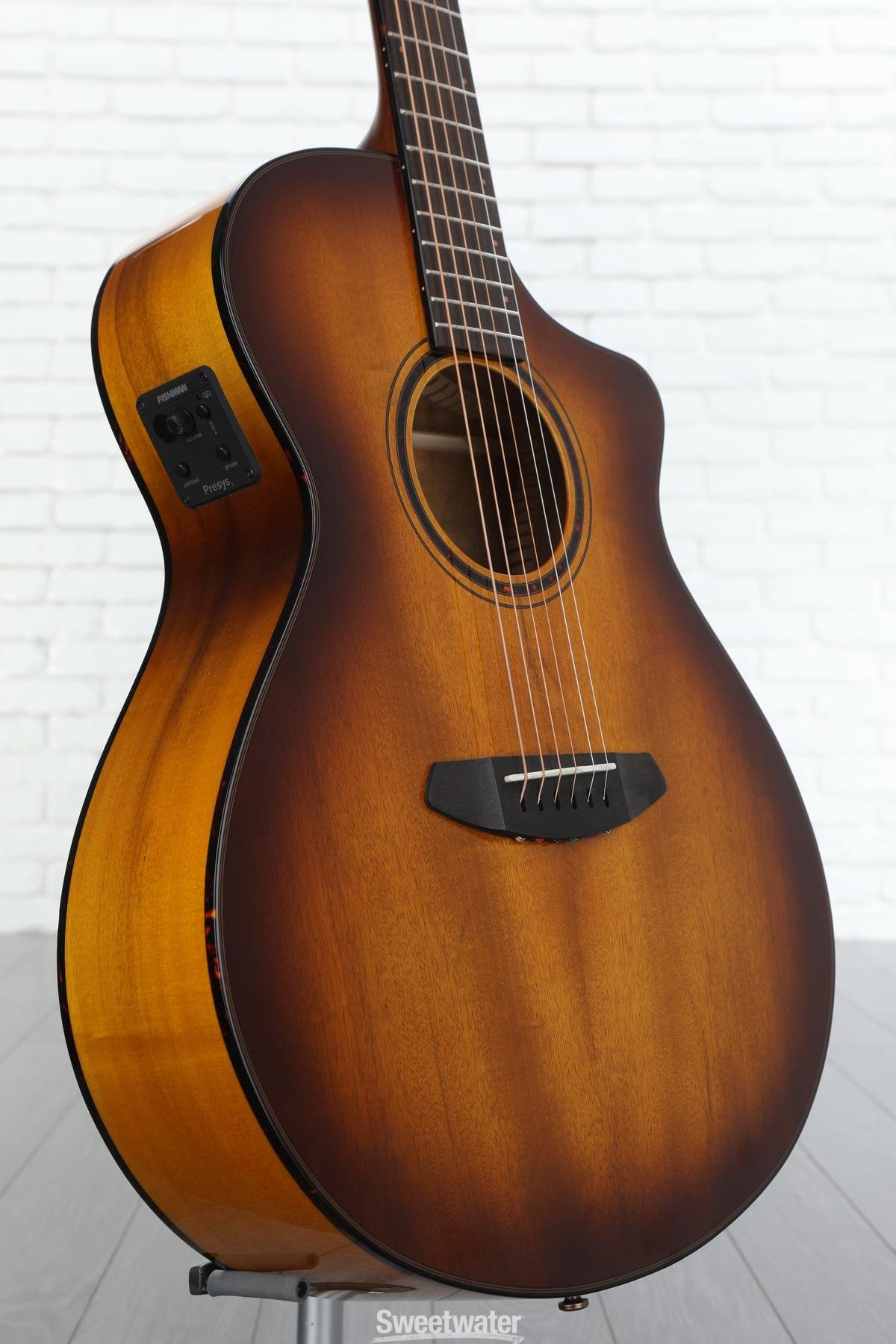
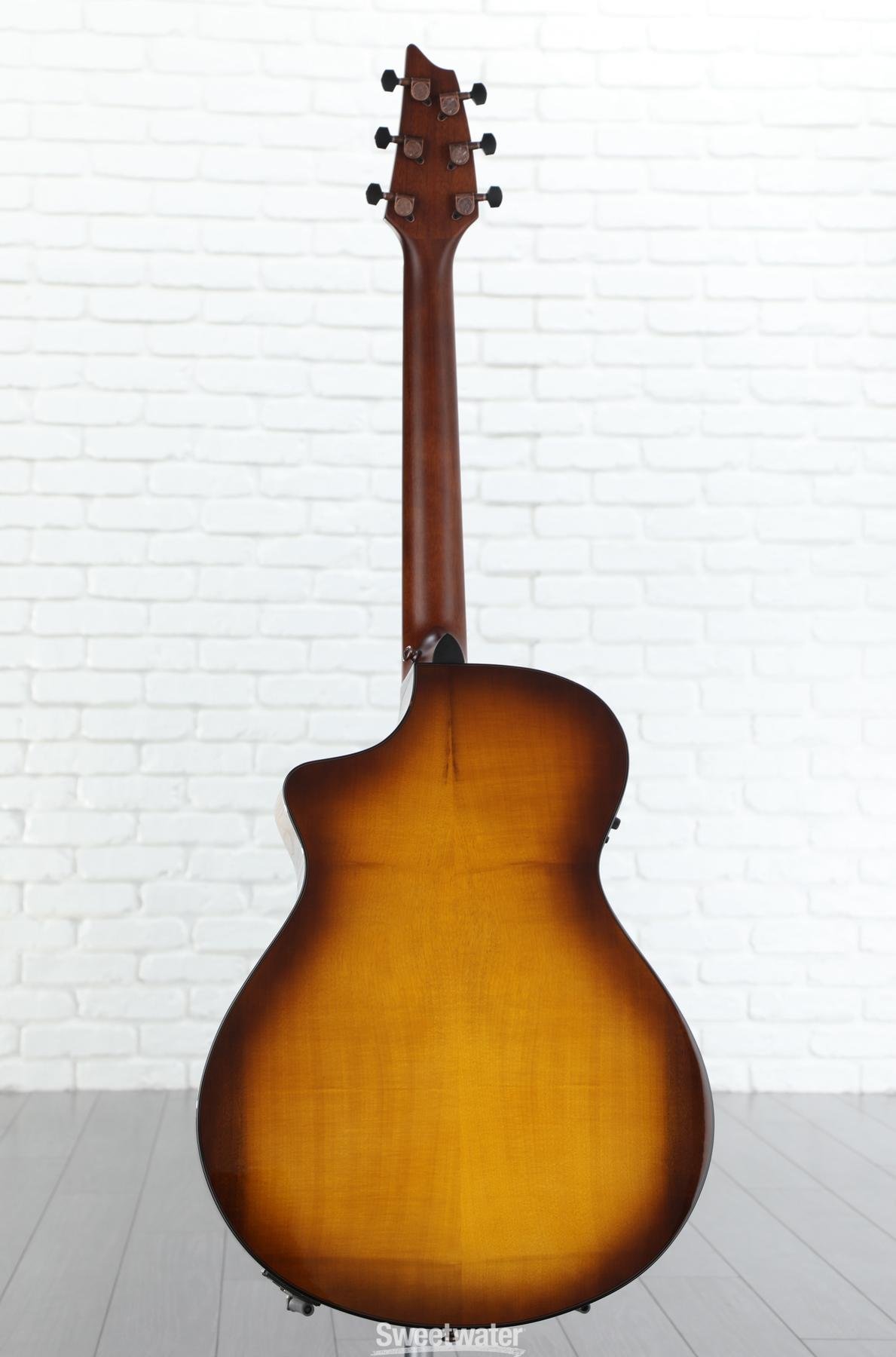
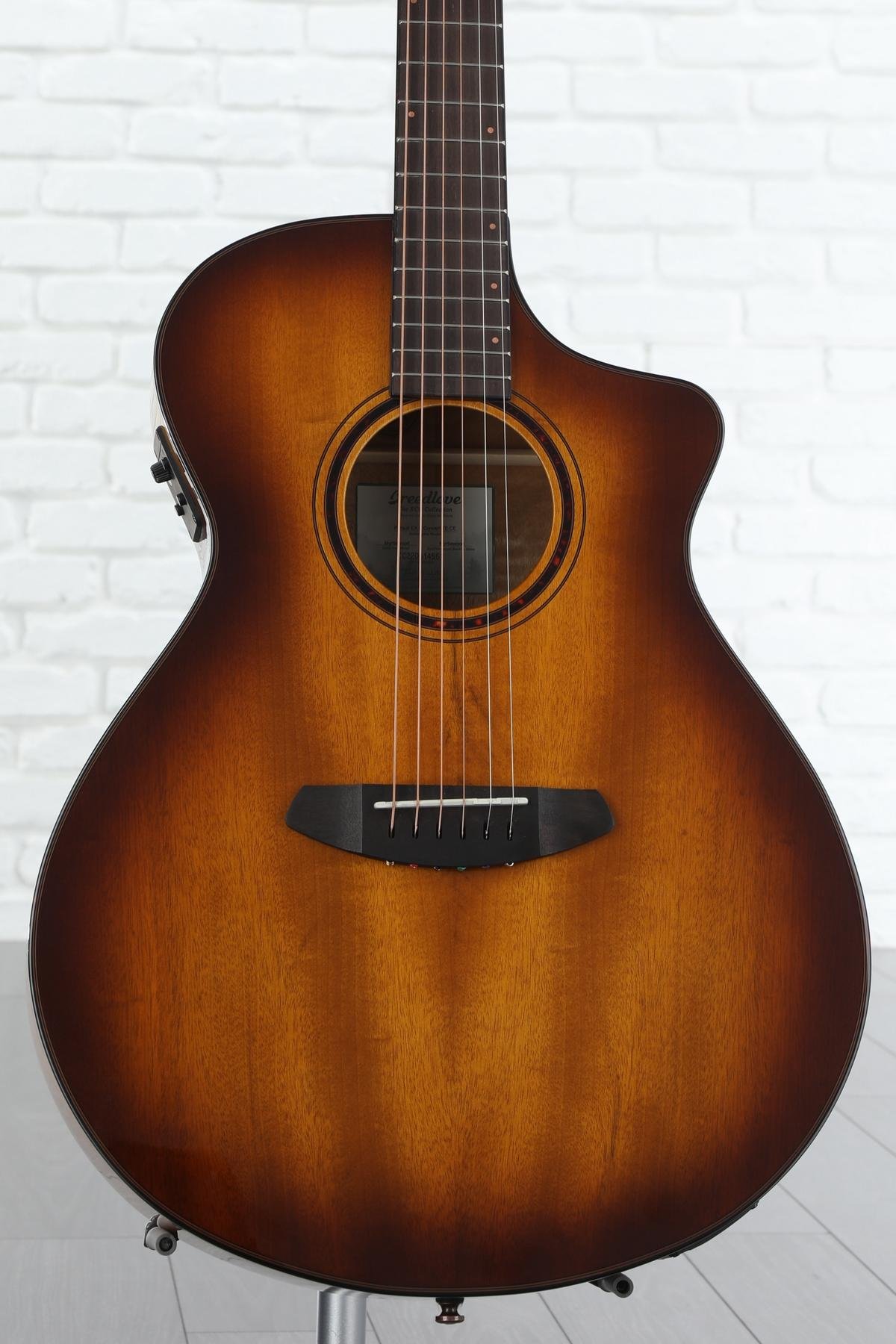
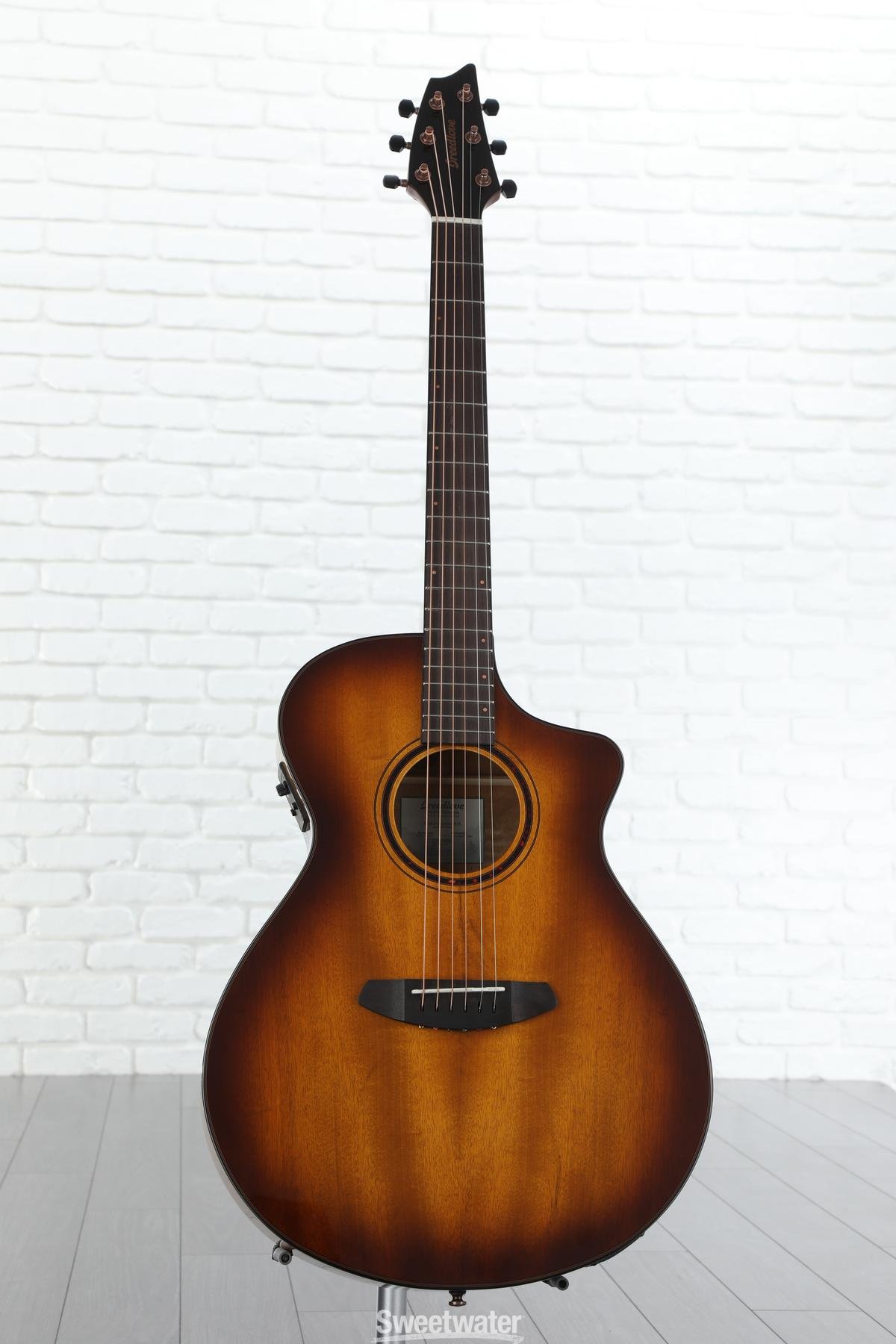
So, at the time this model was on backorder, I was both excited and a bit anxious. What model caught my eye? The ECO Pursuit Exotic S Concert CE-Tiger's Eye Myrtlewood, priced at $649 (regular $749), was quickly shipped to me within a few days, thanks to my salesperson, the excellent Justin Dunn.
My guitar arrived on a cold and rainy Friday, and my excitement was through the roof. However, this excitement quickly turned to disappointment. The box that contained my new acoustic guitar showed signs of severe water damage, along with damage to each of the corners. The side with the most severe water damage was even held together with tape, and there was still moisture underneath. Despite this, I decided to wait until the next afternoon to unbox my guitar, giving it time to acclimate to its new environment.
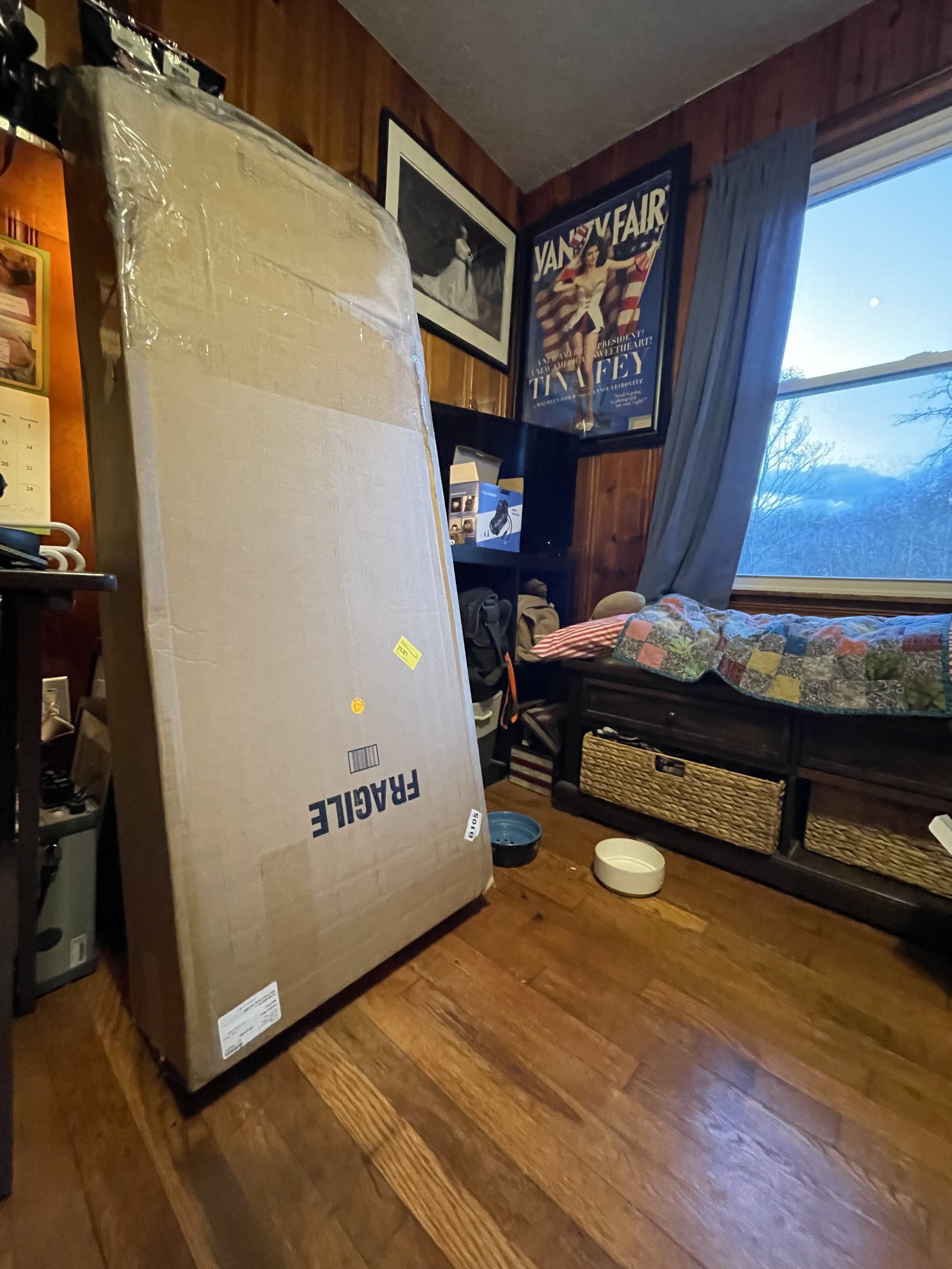
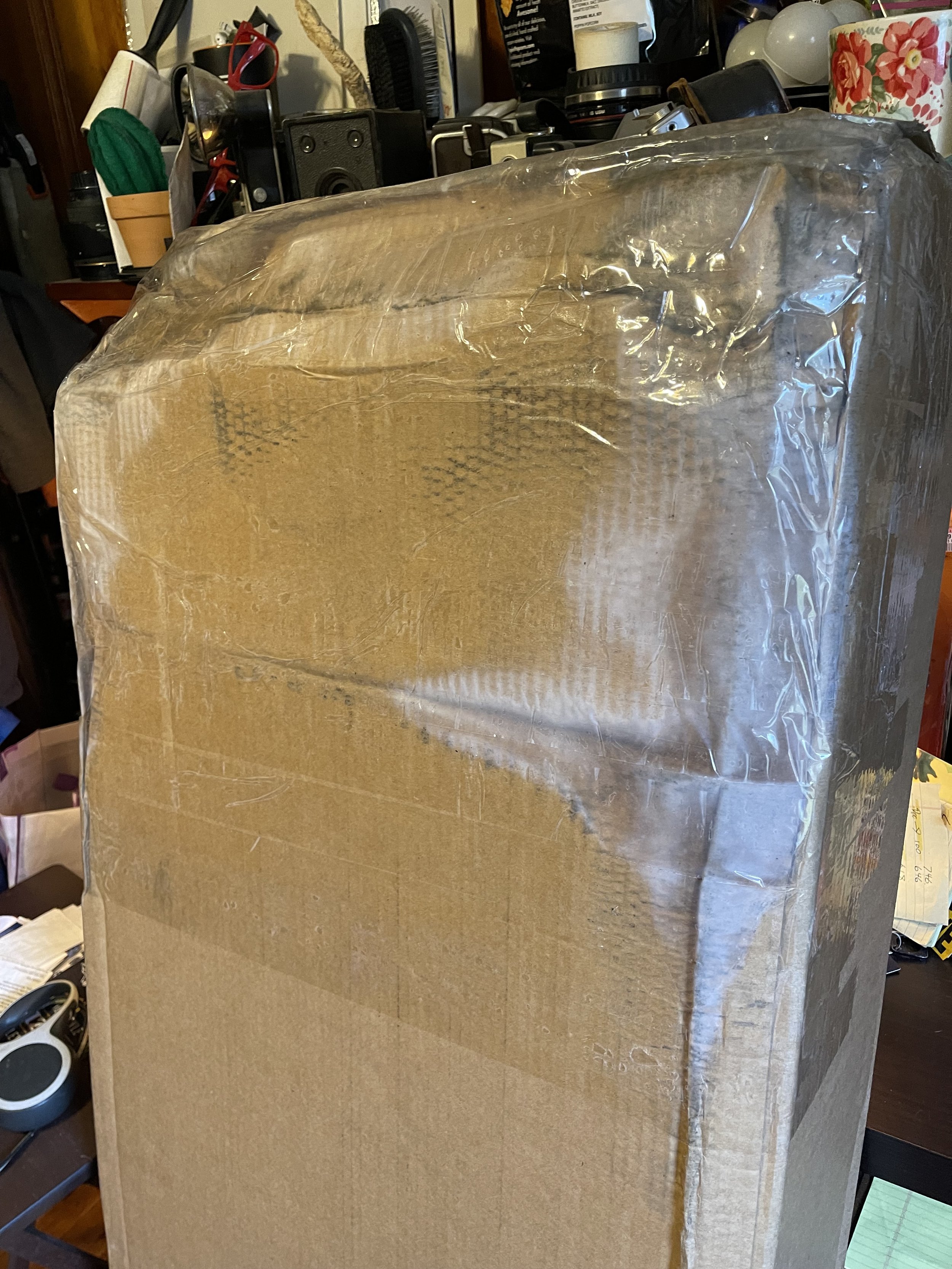
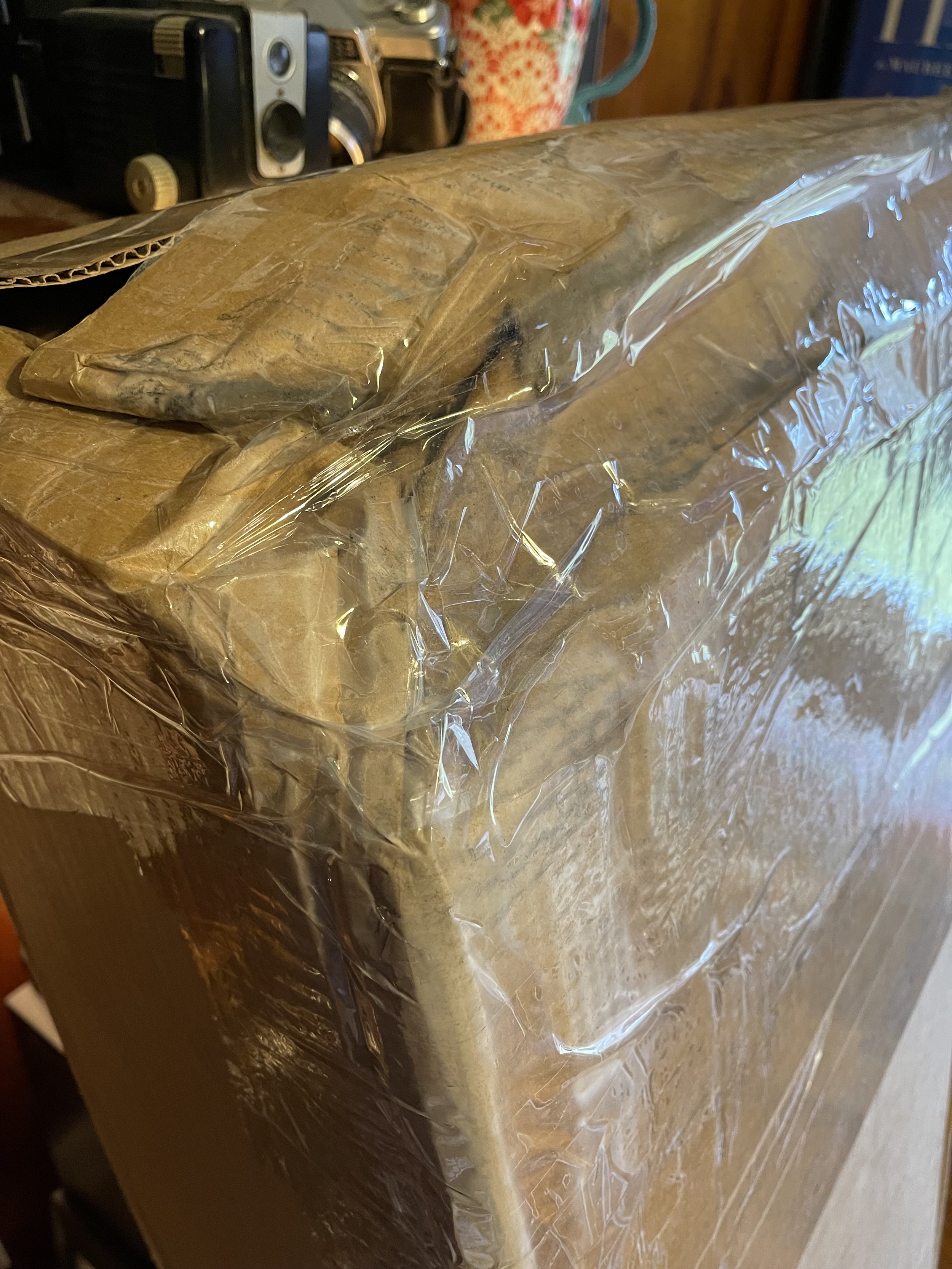
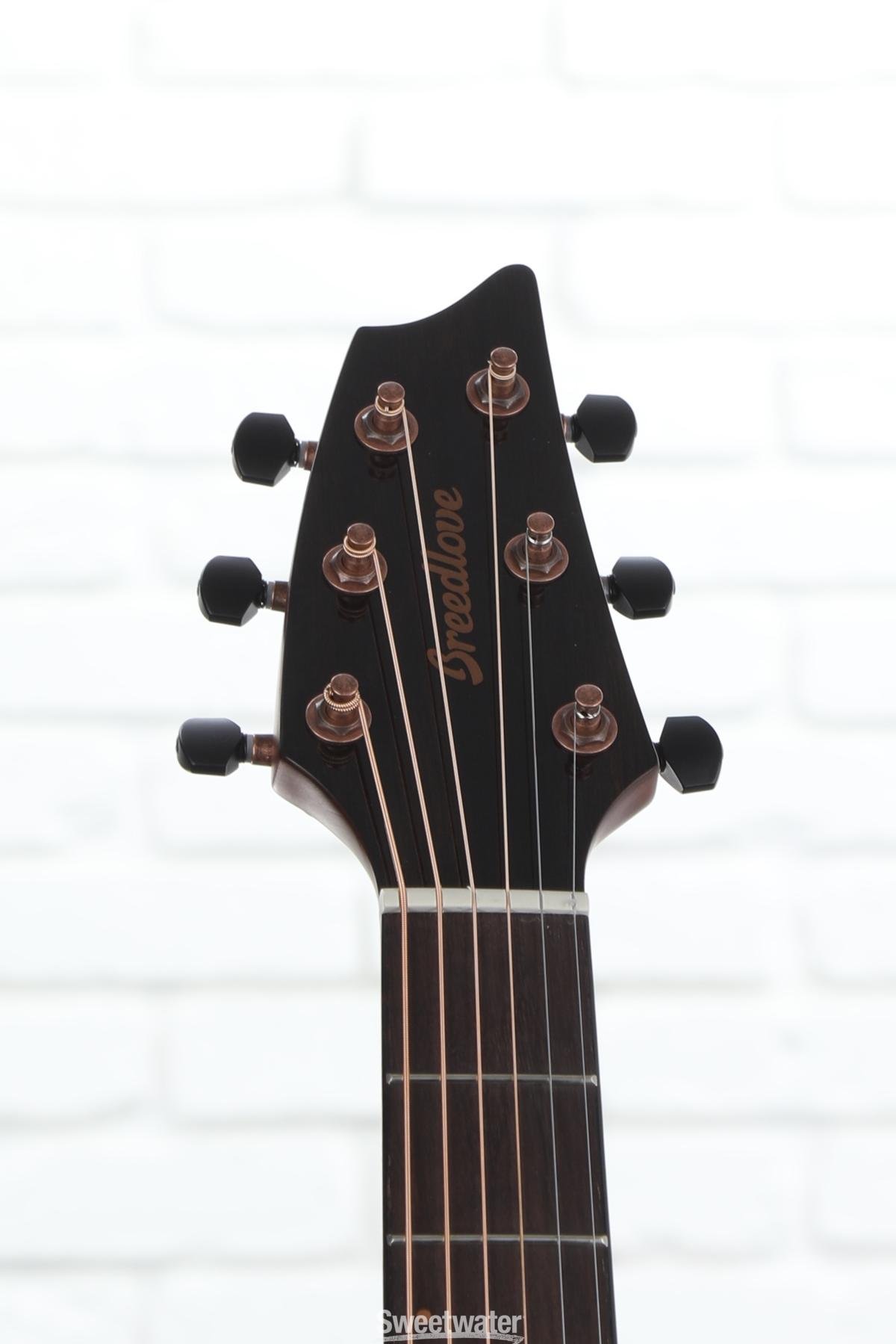
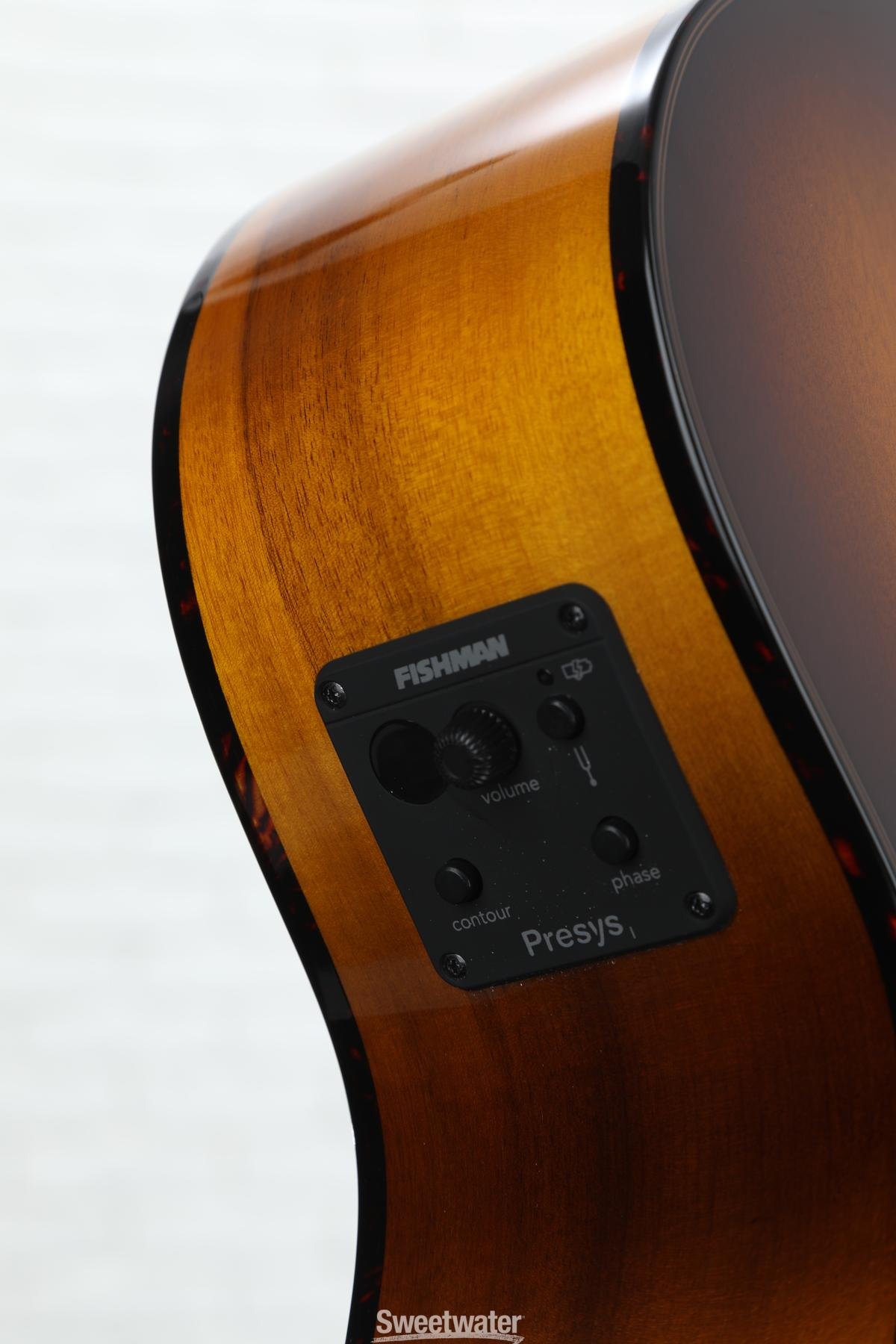
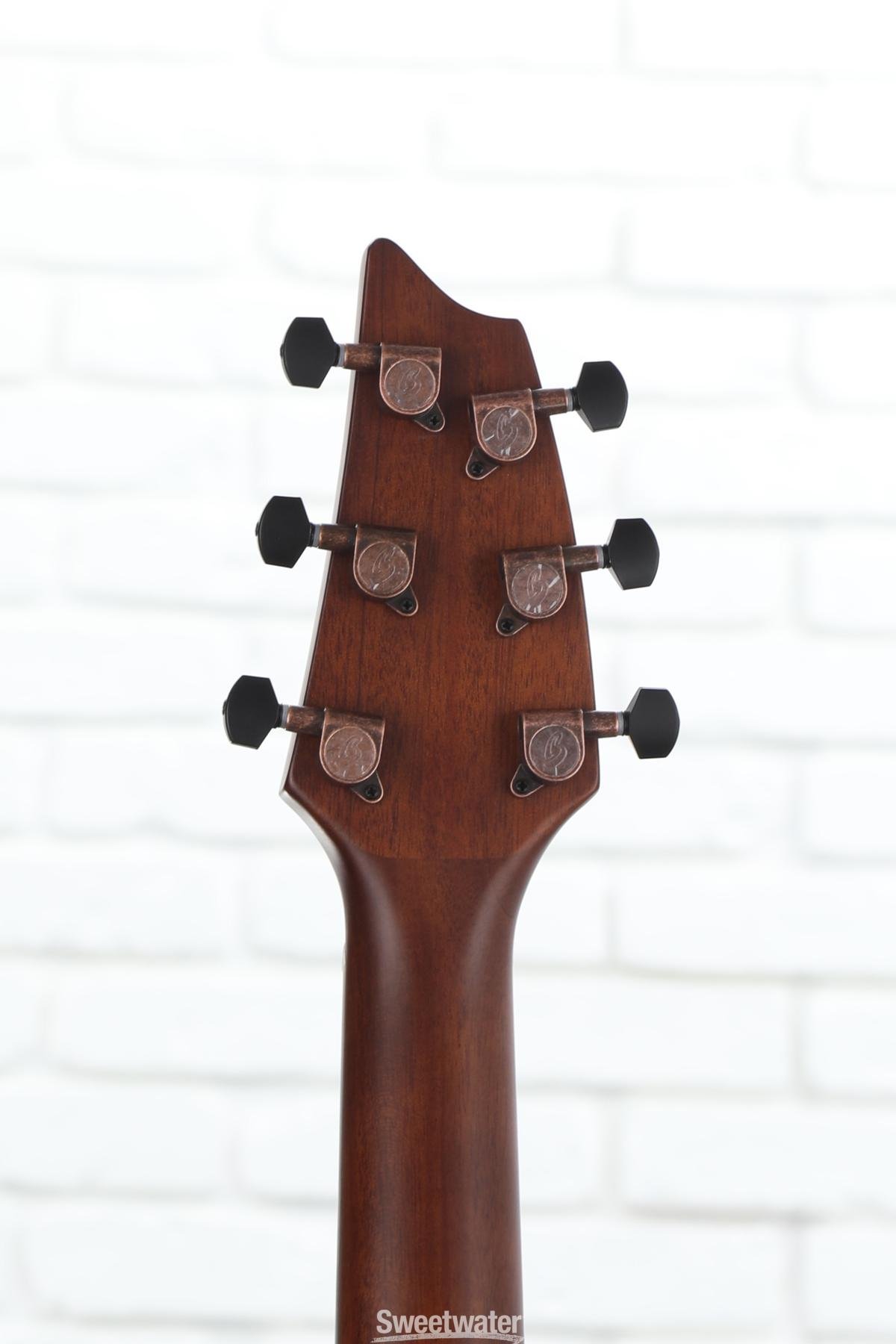
I must clarify that the water damage to the outer box was not caused by Sweetwater delivering my purchase, but rather by FedEx during the shipping process. The guitar was in great shape, surprisingly. There didn’t seem to be any water damage to the third, most inner box of my parcel. The guitar was nearly in tune, so I strummed a few chords and realized that this guitar, this model, was not for me. It didn’t match my expectations, which can happen when you buy something sight unseen. The only thing I truly liked about the Breedlove was the entire bridge design. However, that alone wasn’t enough to justify keeping it. So, back it went, and I continue searching for what I really want. There’s a place not far from us that deals in Taylor guitars, and I think it would be wise to hear what I am looking for in person before making a decision and placing my next order with Sweetwater. Below are the images Sweetwater sent me prior to shipping, along with a link to this particular model.
The guitar was in great shape, surprisingly. There didn’t appear to be any water damage to the innermost box of my parcel. The guitar was pretty much in tune, so I strummed a few chords, and with that, I realized this guitar, this model, was not for me. It wasn’t at all what I expected. I guess that happens when you buy something like this sight unseen. So, the only thing about the Breedlove I truly loved was the whole bridge design. That in itself was not enough for me to justify keeping it. So back it went, and back to searching for what I want. There’s a place not far from us that deals in Taylor guitars, I think it would be in my best interest to hear what I am looking for and then (maybe) make a decision and place my next order with Sweetwater.
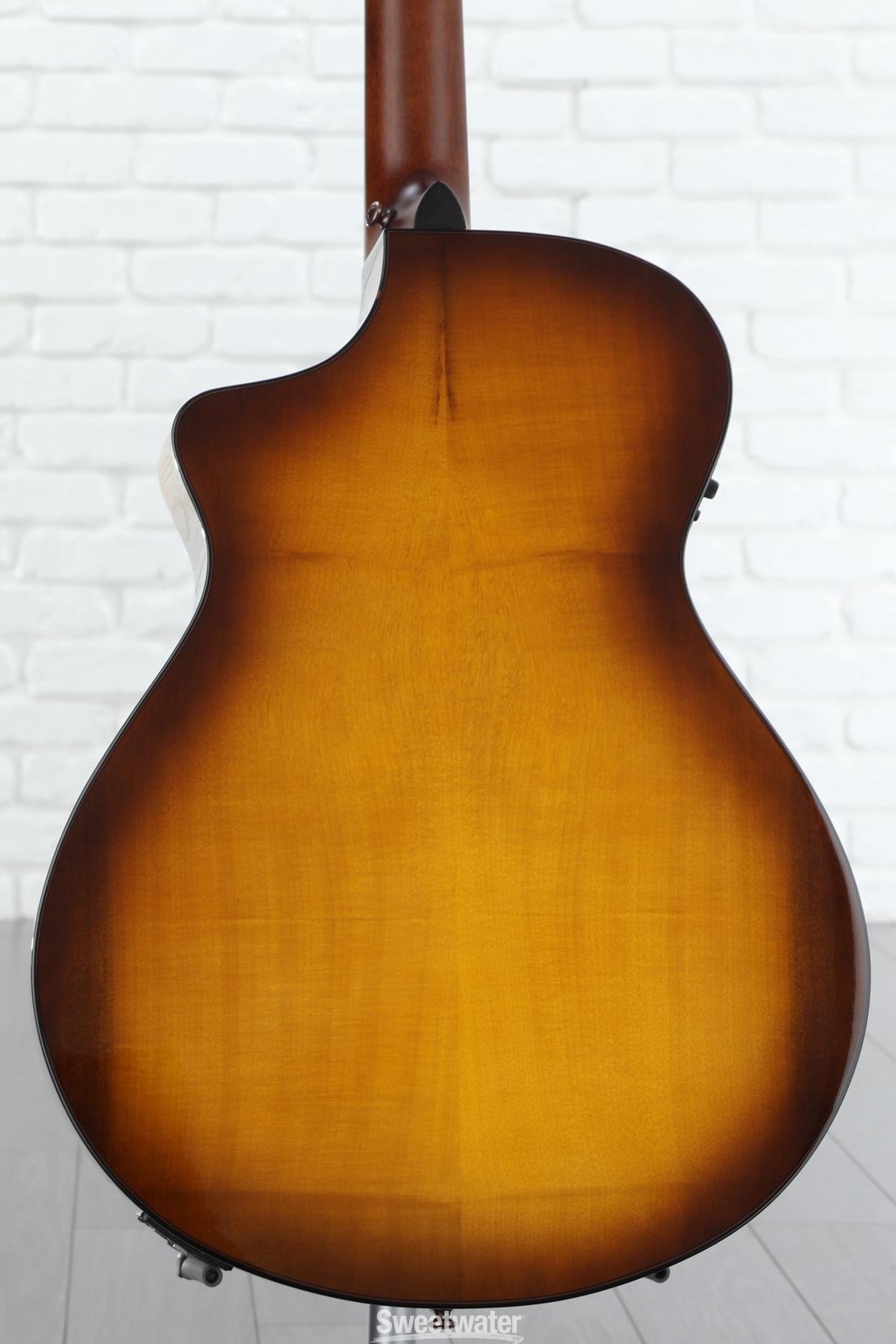
Below are the images Sweetwater had sent to me prior to shipping, and a link to this particular model.
Breedlove ECO Pursuit Exotic S Concert CE Acoustic-Electric Guitar - Tiger's Eye Myrtlewood | Sweetwater

Remodding My 2013 Gibson Les Paul Traditional Part 1 of 3
Well, I decided to do a remod on my 2013 Gibson Les Paul New Traditional, not so much that “I” am going to do the actual work on it (I don’t trust me);

I've decided to give my 2013 Gibson Les Paul New Traditional a little makeover, focusing on some upgrades and style enhancements. While I won't be doing the actual work myself—I trust the experts for that—I plan to replace the bridge, tailpiece, wiring harness with bumblebees, truss rod cover, input jack, 3-way switch, and the speed knobs. You could say I'm gutting it, but I plan to keep the original pickups—a ‘57 Classic and a ‘57 Classic Plus—and make it more reminiscent of a 1950s style Les Paul.
My first step was hunting for the perfect volume and tone knobs—the top hat style with pointers—that would give my Les Paul that classic '50s look. After lots of research and watching countless YouTube videos, I came across companies like Mojo Tone, Trobak, and Jackson Electronic Luthier. But it was a smaller, lesser-known company called Creamtone from Simpsonville, South Carolina, that really caught my eye. A closer look at their website revealed other components I want to include to complete the transformation.
I’ve included links to the other companies I explored for this remod, just in case I decide to go with a different 50s wiring harness. For now, though, I’m sticking with Creamtone. Once I receive the parts and have the work done, I’ll be sure to share my thoughts about the whole experience.
First off, my initial search was for the volume and tone knobs, the top hat version with the pointer set, wanted the '50s” look” to my Les Paul. After conducting extensive research and watching numerous YouTube videos, I discovered companies like Mojo Tone, Trobak, and Jackson Electronic Luthier. But a little-known company called Creamtone out of Simpsonville, South Carolina, caught my attention… further digging on their site, I found other components I wanted to complete my LP’s transformation.
I’ve linked the other companies I had looked at for this remod, just in case I go with another 50s wiring harness. For now, however, I’m going with Creamtone. Once I get the parts and have the work done, I’ll blog about my thoughts on the changeover.
Update 1/16/2022: I just found out through a Gibson Les Paul forum that Creamtone, the company I chose for my 50s wiring harness, has taken down their website. I'm not sure if this is temporary or permanent. I’ll blog about the replacement harness when I know for certain that Creamtone is no longer in business or I decide on an alternative.
Other 1950s Style Wiring Harness:


What Was Once Lost....Is..... Re-bought 40 Years Later

Between seeing the KISS Dynasty tour in ‘79 and my summer job at Chicago fest in ‘81 and ‘82, my interest in making music was rekindled again; I had been taking acoustic guitar lessons off and on since age 13 at the Chicago Boy & Girls Club in the uptown area a couple of years before those events.
My fixation on the Gibson Les Paul is mainly due to Jimmy Page, but I also owe a great deal to Ace Frehley. It was Ace and the Les Paul that sparked my interest in my music journey. I’d have to say, it was between the TV shows “Midnight Special” in 1975. Don Kershner’s Rock Concert in ‘76 on a small black-and-white TV sealed it.

Around the same time, some friends and I hung out at this spot called Biasco Music on 5535 W. Belmont Ave. I had to look that up, but it's restaurant and a parking lot now. We’d smoke some pot, jam to tunes on the record player, and later you’d find us in one of Biasco’s sound booths just messing around on random guitars. That’s where I got my first real guitar—a brown tobacco sunburst 1978 Gibson Les Paul. I know I was high when I bought it because I couldn’t figure out why I had a layaway receipt in my pocket the day after visiting the store. In the end, though, I paid $500 for it, which wasn’t a bad deal considering Gibson only made about 5,000 Les Paul’s that year, and they had a street price of $749. Back then, I was in several bands, each one a close-knit group brought together by our love of music. We’d rock out to the hits of the time, but our original songs always had that punk rock vibe that reflected our energy.

Here’s Eddie(drummer)and I in better times, he’s holding my 1978 Gibson Les Paul

Pictured above is my old ‘78 Gibson Les Paul, along with an Alvarez 12-string acoustic guitar. I traded my fluorescent green Charvel Model 2 guitar to a friend (we swapped back later).
Nearly 40 years after my original guitar was stolen, am I still bitter about it? I was for many years, until I recently contacted the person who took it and shared my feelings. That conversation allowed me to move on; I guess I just needed to hear some kind of explanation for his actions. A couple of factors motivated me to play again. I wanted to return to playing for my own enjoyment, and I have to credit my renewed love for the guitar to a couple of musicians I discovered on YouTube: Dave Simpson and his band, the Dave Simpson Trio from the UK, as well as Jeff Mcerlain, a performer and instructor based in NYC. I'll link their channels below.
So, in late May 2021, I went on Reverb.com and bought a 2003 Epiphone Les Paul Plus Top (pictured below). However, when it arrived, I found that it had a tapered neck, which I felt was too thin for my liking. Despite it being a Gibson brand and a Les Paul, I quickly experienced buyer's remorse and became unhappy with it. It's currently back on Reverb for sale. I realized that if I was going to own a Les Paul, I wanted it to be the real deal.


The search was on. I looked online for another '78 Les Paul and quickly discovered that the prices were far out of my reach. During my search, I also learned about a feature now found in the Gibson line called "weight relief." As a result, I focused my search on finding a model without weight relief and with a beefier neck—at least thicker than the one on the Epiphone I had purchased earlier. That neck was too thin, and I really disliked it.
Over the next few weeks, I explored Guitar Center, Reverb, eBay, and various other sites for reviews and specifications on particular models. Eventually, I narrowed it down to the Gibson Les Paul Traditional model, specifically from the years 2013, 2014, or 2015, which featured a beefier neck. Then, I found it—actually, I found two that met my criteria on eBay, both with 50s-style necks, no weight relief on the body, and both from 2013.
However, there was one small detail: one had a cherry burst body (which I’m not a fan of), while the other had more of a honey burst. Naturally, the honey burst won out, and the images below illustrate why. As a quick side note, a closer inspection of the original box reveals that the color is listed as "Carmel burst," and it is part of the "New Traditional" lineup of the Gibson Les Paul series. Members of the Gibson guitar owners' page on Facebook confirmed this information, so, in retrospect, it’s close enough to honey burst for me.
So, what’s the verdict? Does the Traditional come close to my old '78 Les Paul Standard? I have to say “yes,” it does. The Traditional is more or less the equivalent of the Standard of old. The newer Standard models have chambered bodies, whereas the Traditional and the old Standard are solid. Furthermore, the newer Standards come with a slim 60s-style neck, while the Traditional features a beefier 50s-style neck.


I wanted to mention that I’m getting back into music purely for the enjoyment it brings. I still remember a few things and can navigate the fretboard, but with YouTube, I can easily explore genres I love—specifically blues and punk rock.
Now, regarding a couple of recent developments: some friends and I are toying with the idea of forming a cover band, focusing on punk music. Our main goal is to enjoy playing together, but that’s a topic for another blog post.
Lastly, I have to credit my renewed passion for playing to a few YouTube channels. First, there’s Dave Simpson from the Dave Simpson Trio in the UK, and then NYC instructor and performer Jeff McErlain. Additionally, my enduring love for jazz and blues music shines through in the Jazz and Blues YouTube channel. Months before I decided to get another Les Paul guitar, I was listening to these channels, and they reignited a spark within me as a middle-aged man. I’ve listed their channels below and highly recommend checking them out for a look and a listen.
“When I was young I wanted to play the guitar badly. After years of hard work, practice and determination, I can play the guitar badly”
Some links I found helpful: