
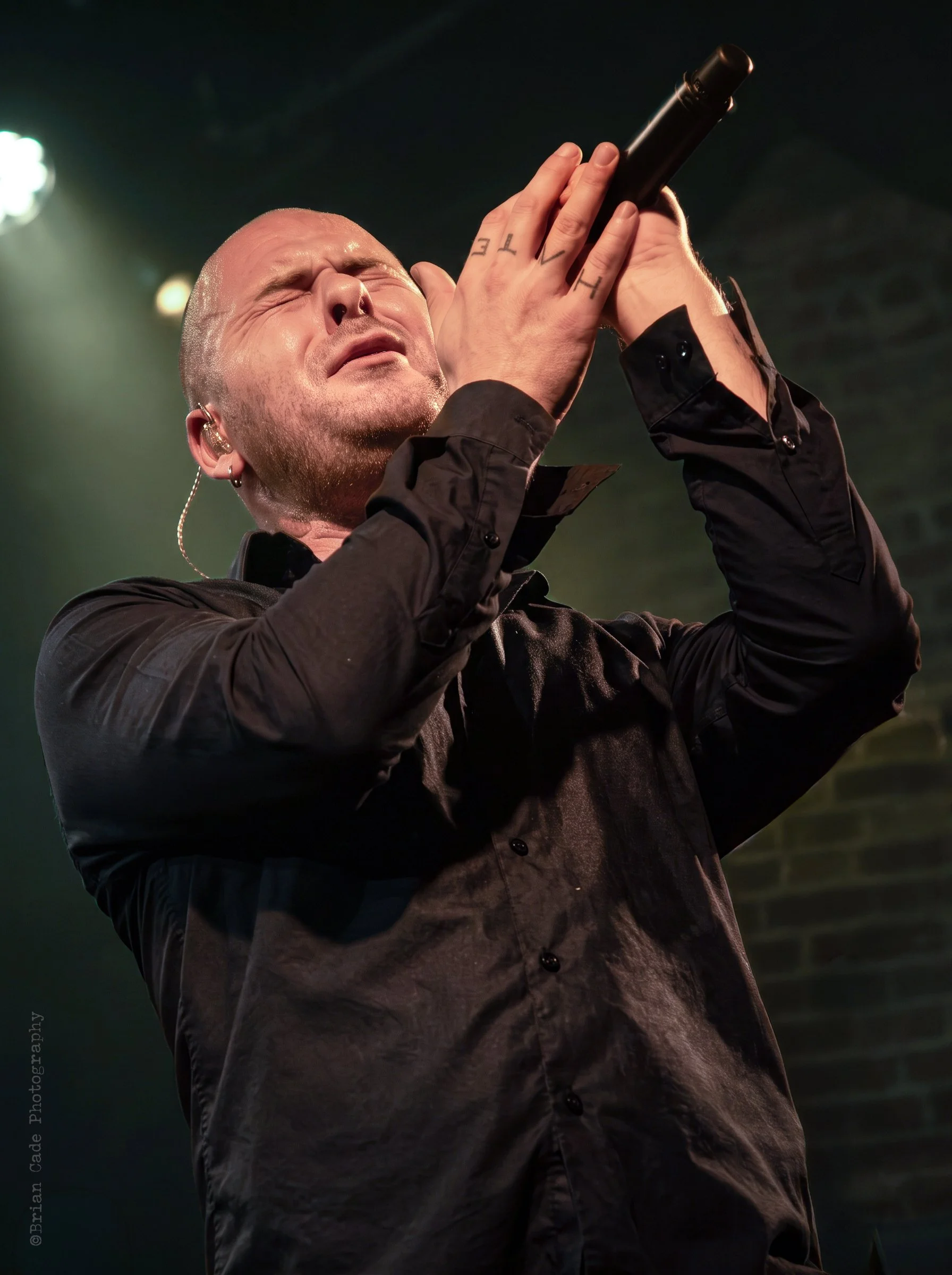
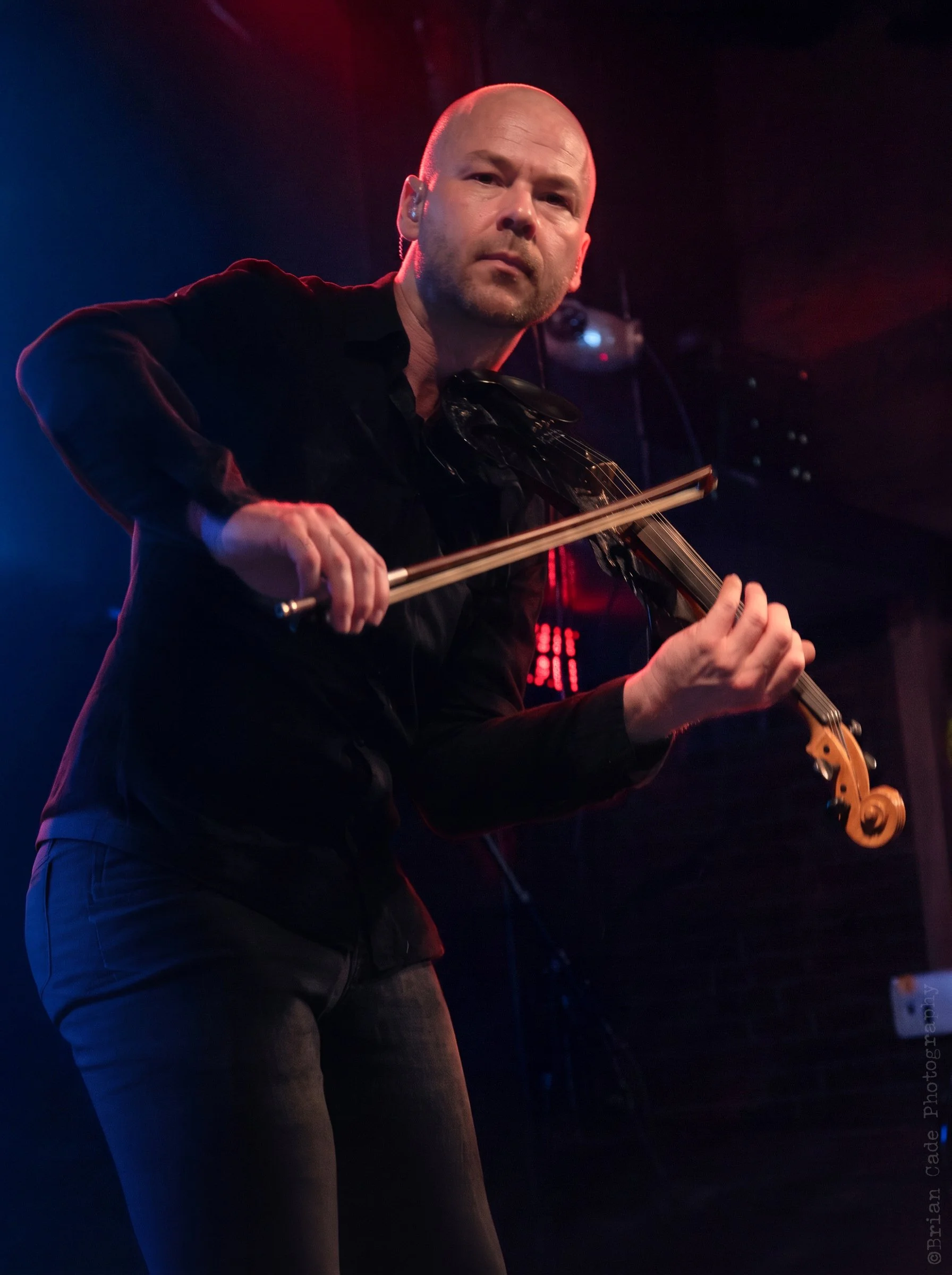
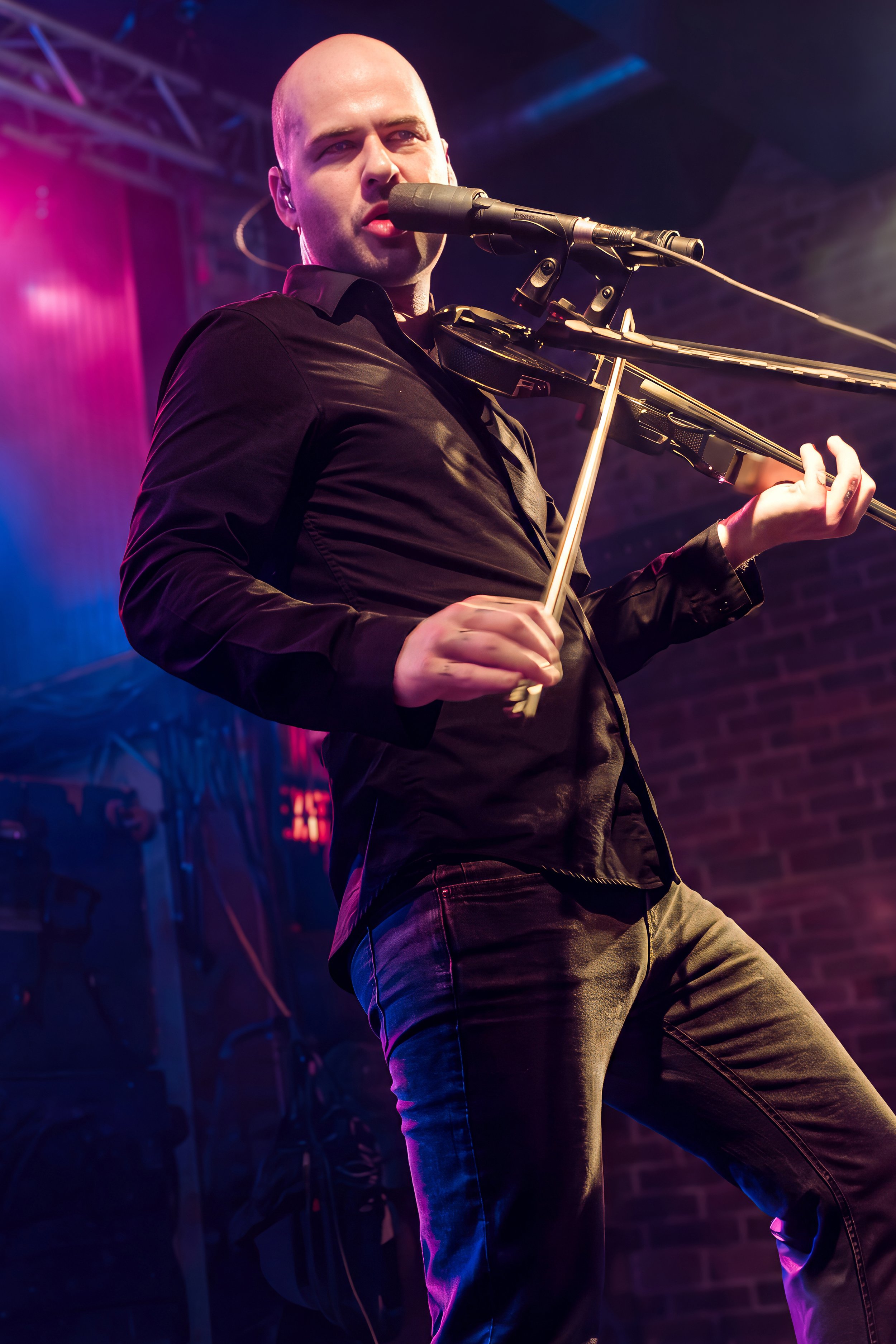
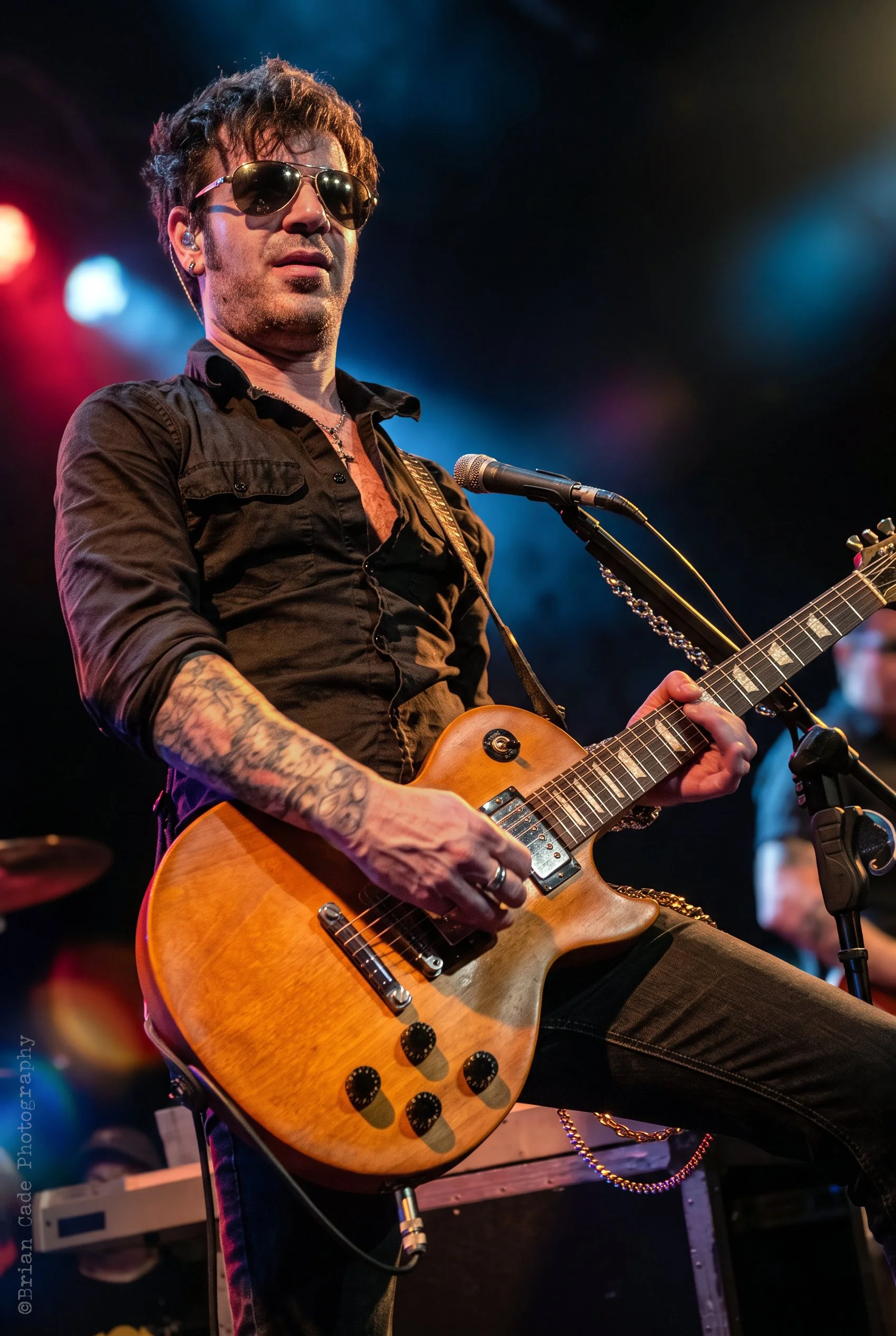
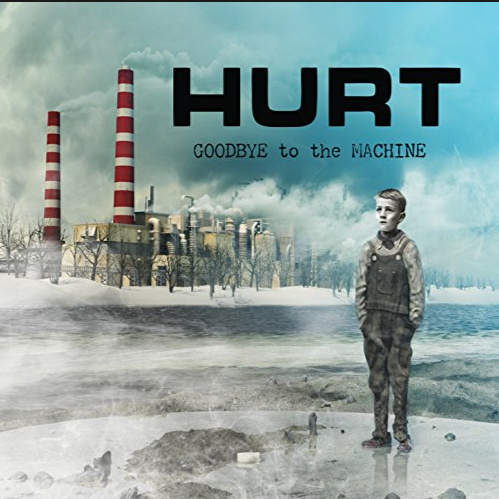
HURT
**Please note that we will add more images from this show as time permits.
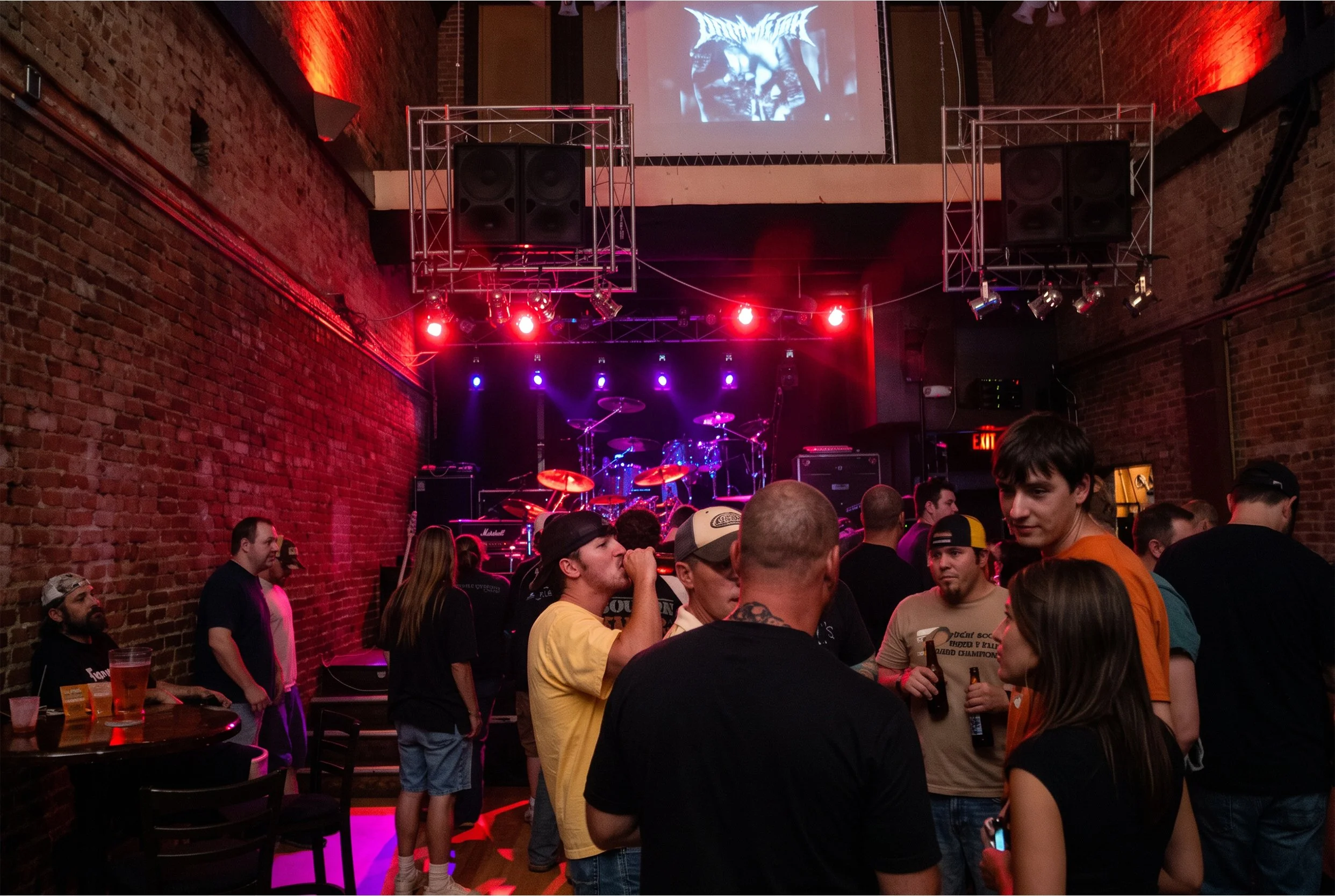
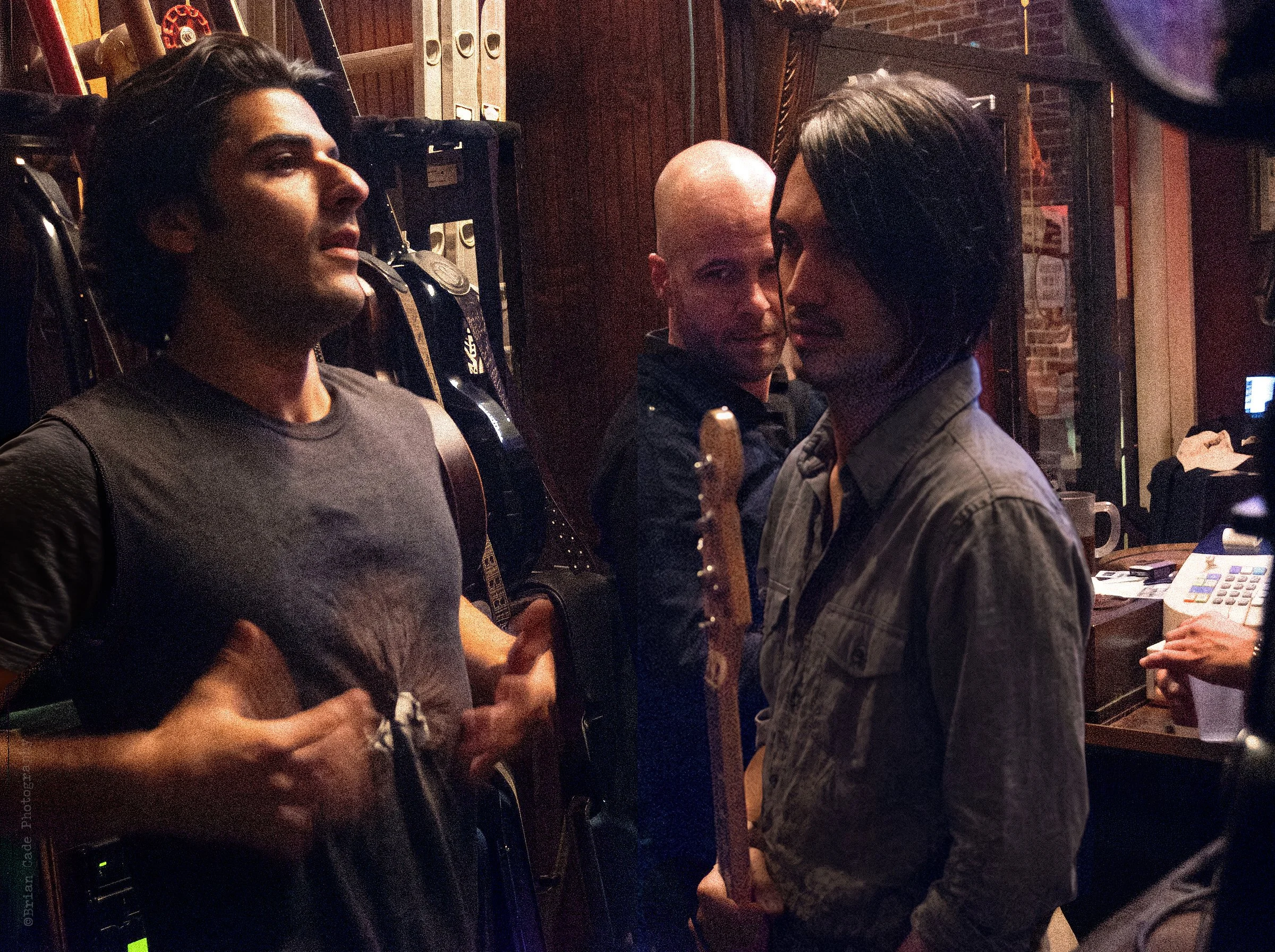
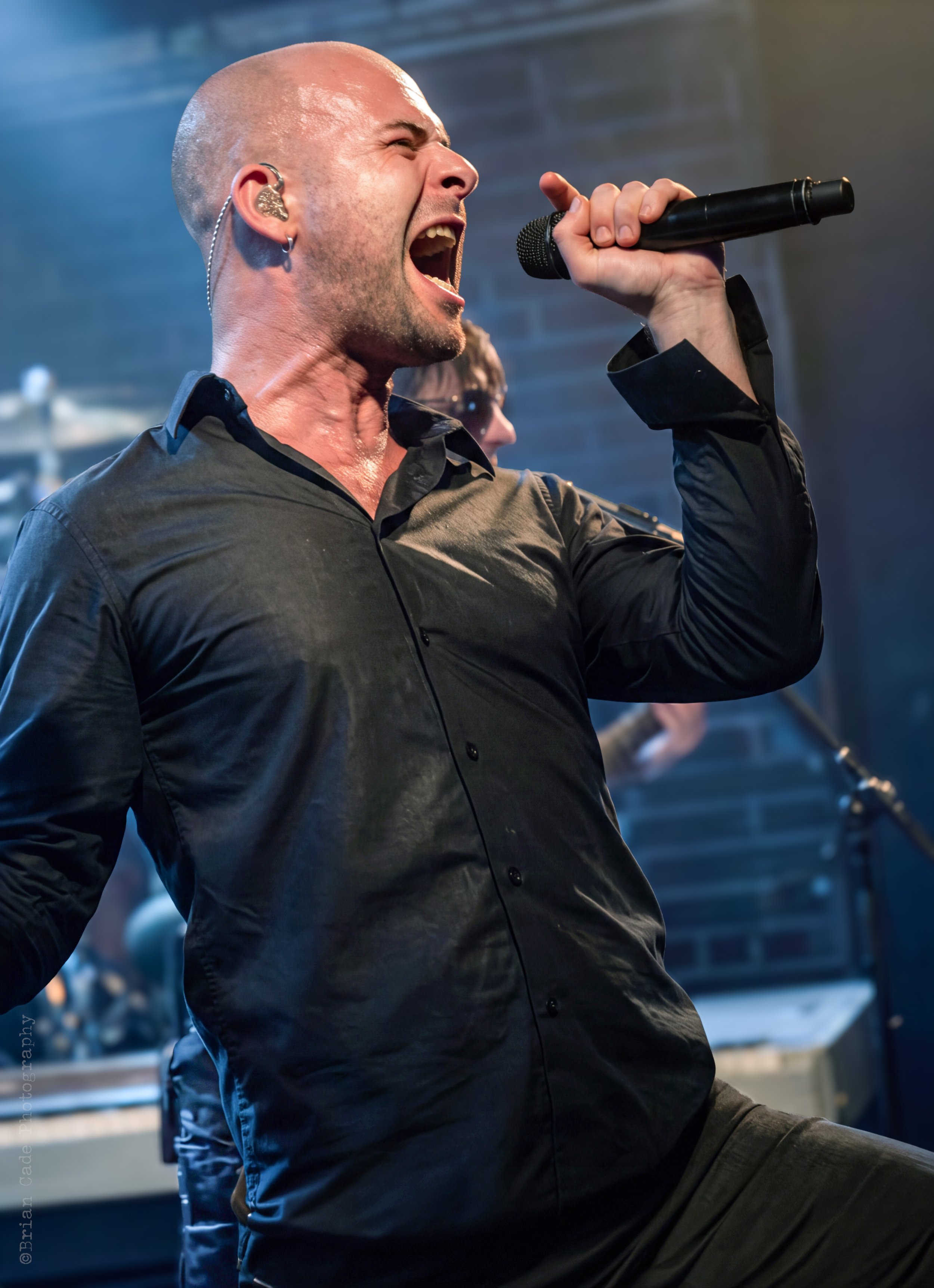
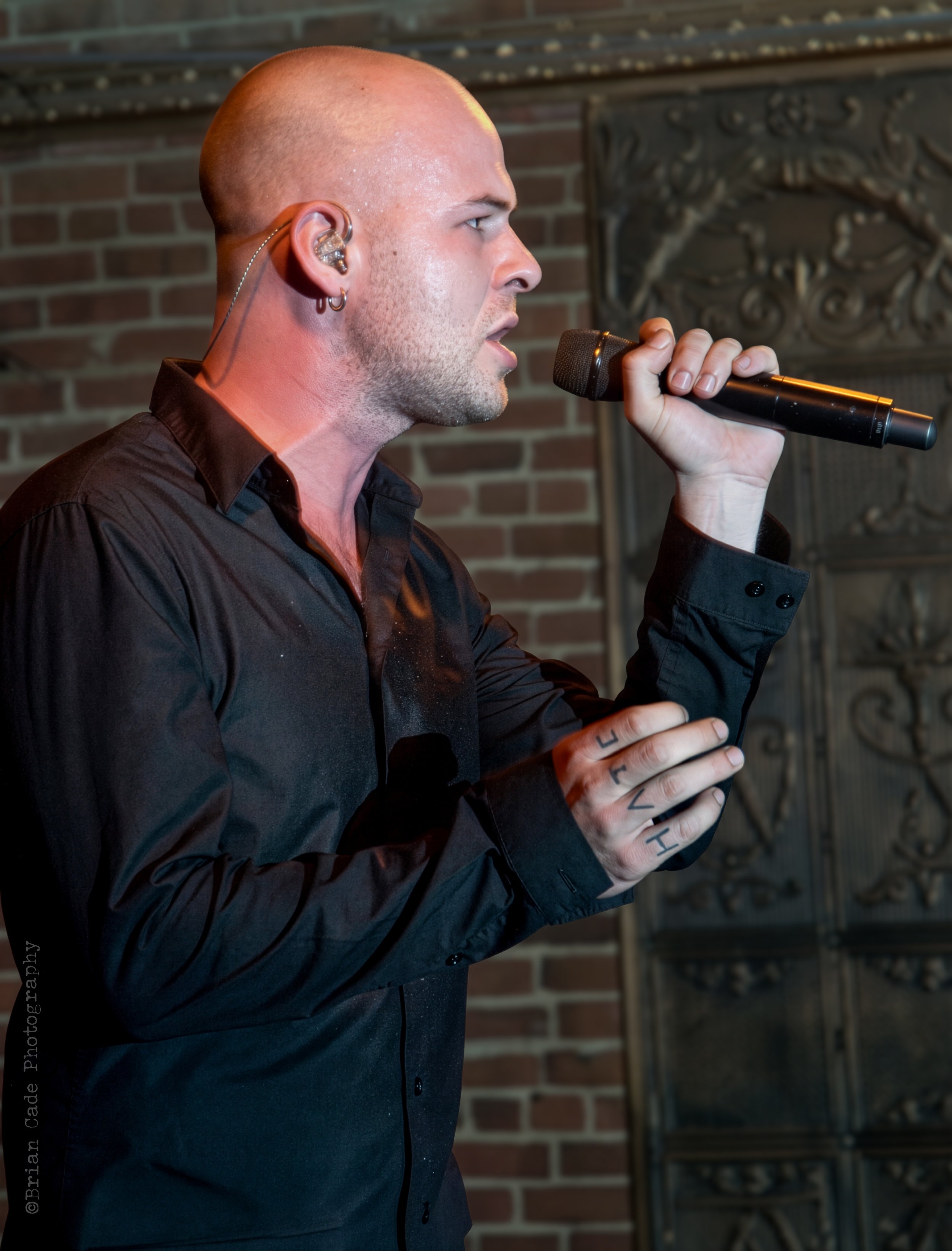
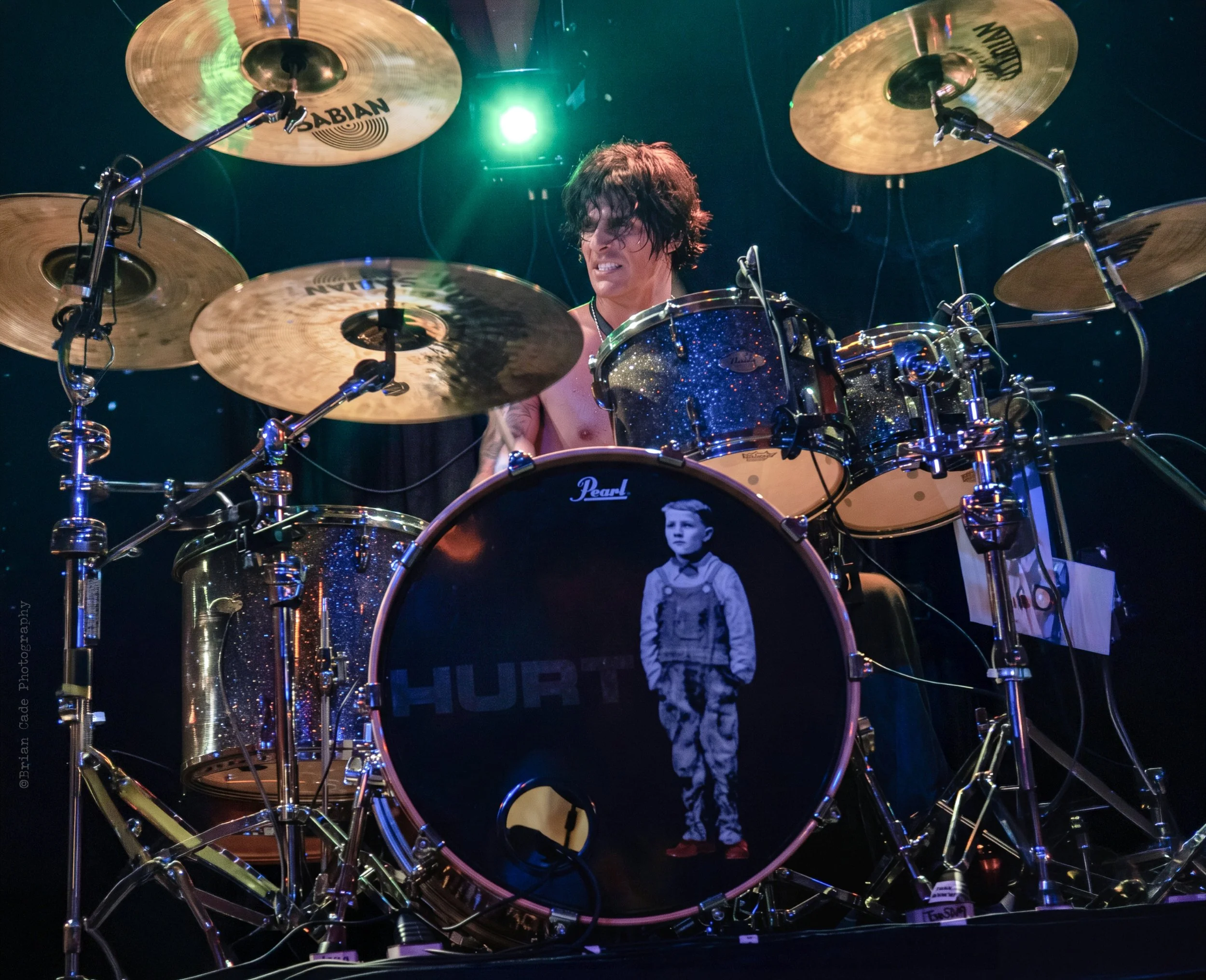
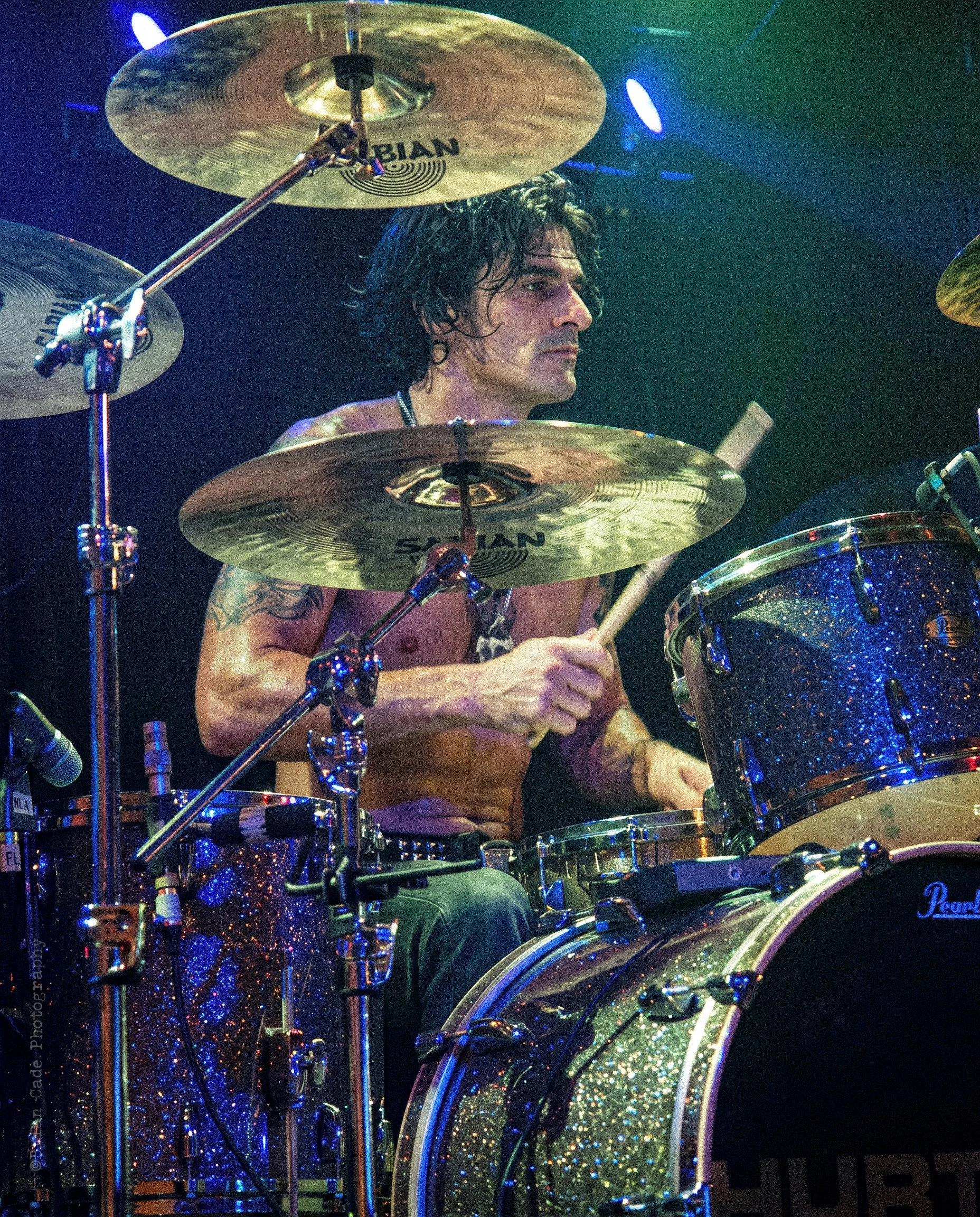
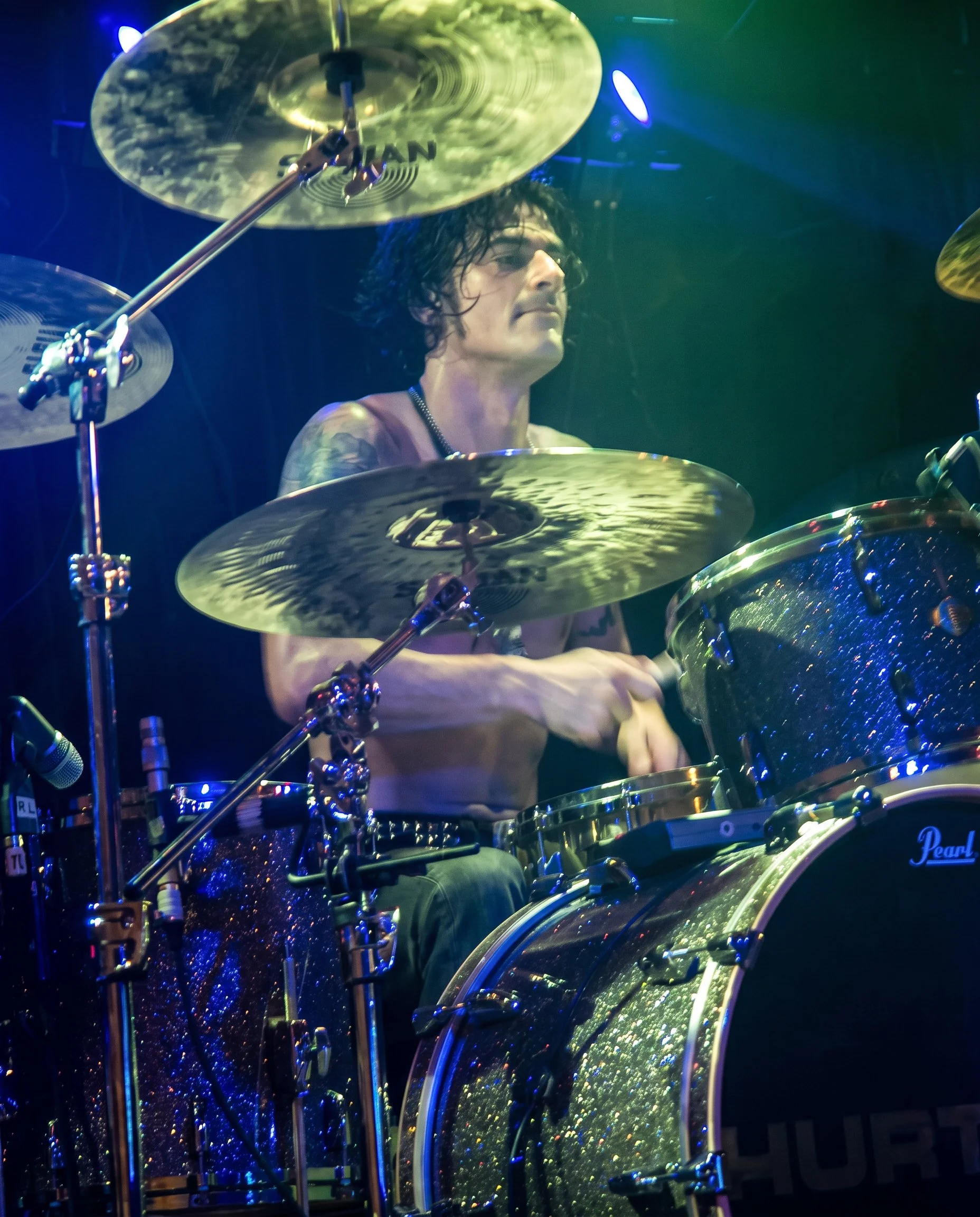
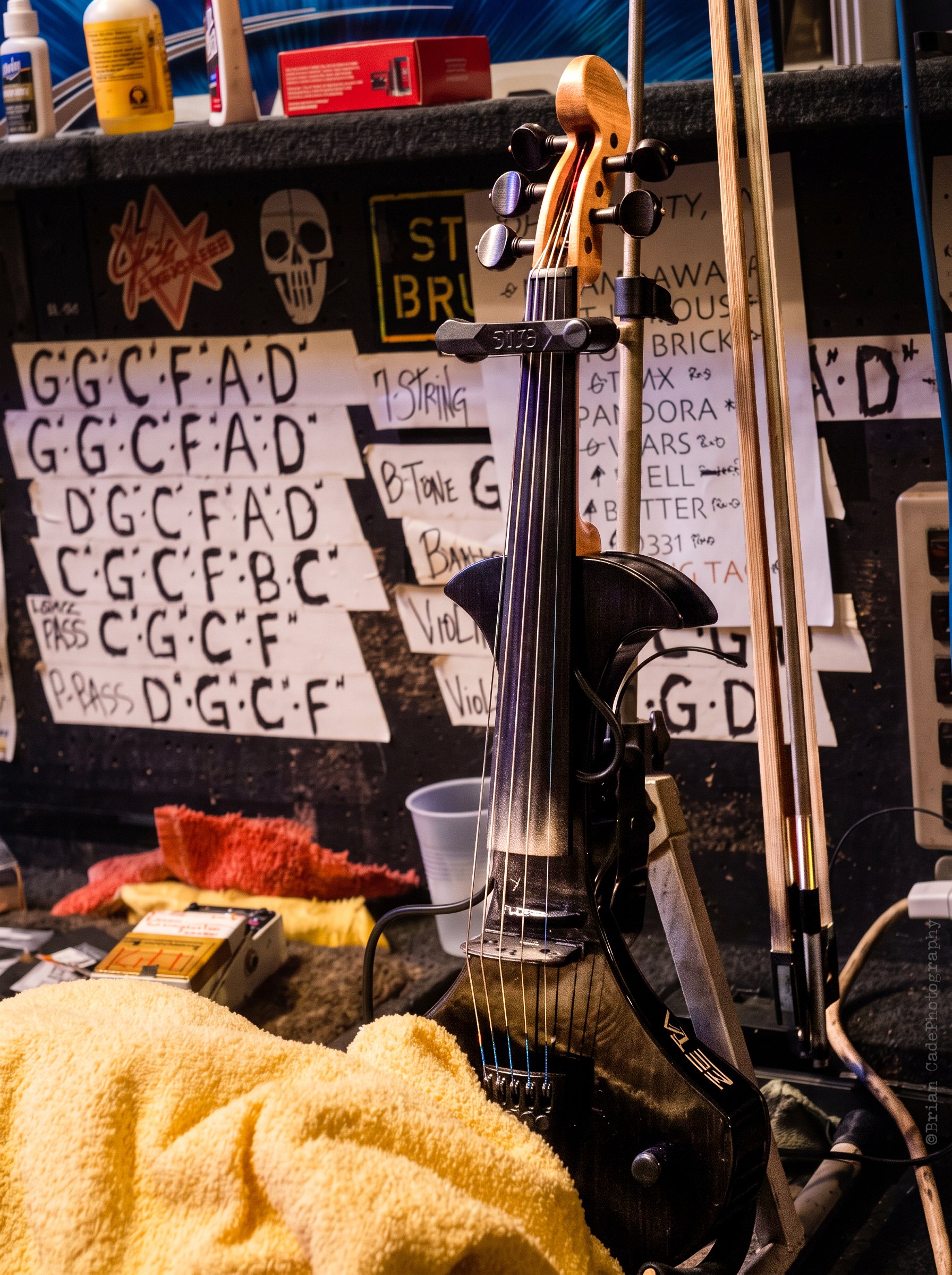
I should have been in Louisville, Kentucky, this night, reporting on my good friends in Stereoside (there’s an interesting story associated with that as well); instead, my friend and fellow shutterbug, Shannon Lindsay from MUEN Magazine, asked whether I would like to cover a band from Virginia called Hurt; of course, I seized the opportunity, we were heading to Johnson City, TN, to a club called Capone’s.
**Please note that we will add more images from this show as time permits.
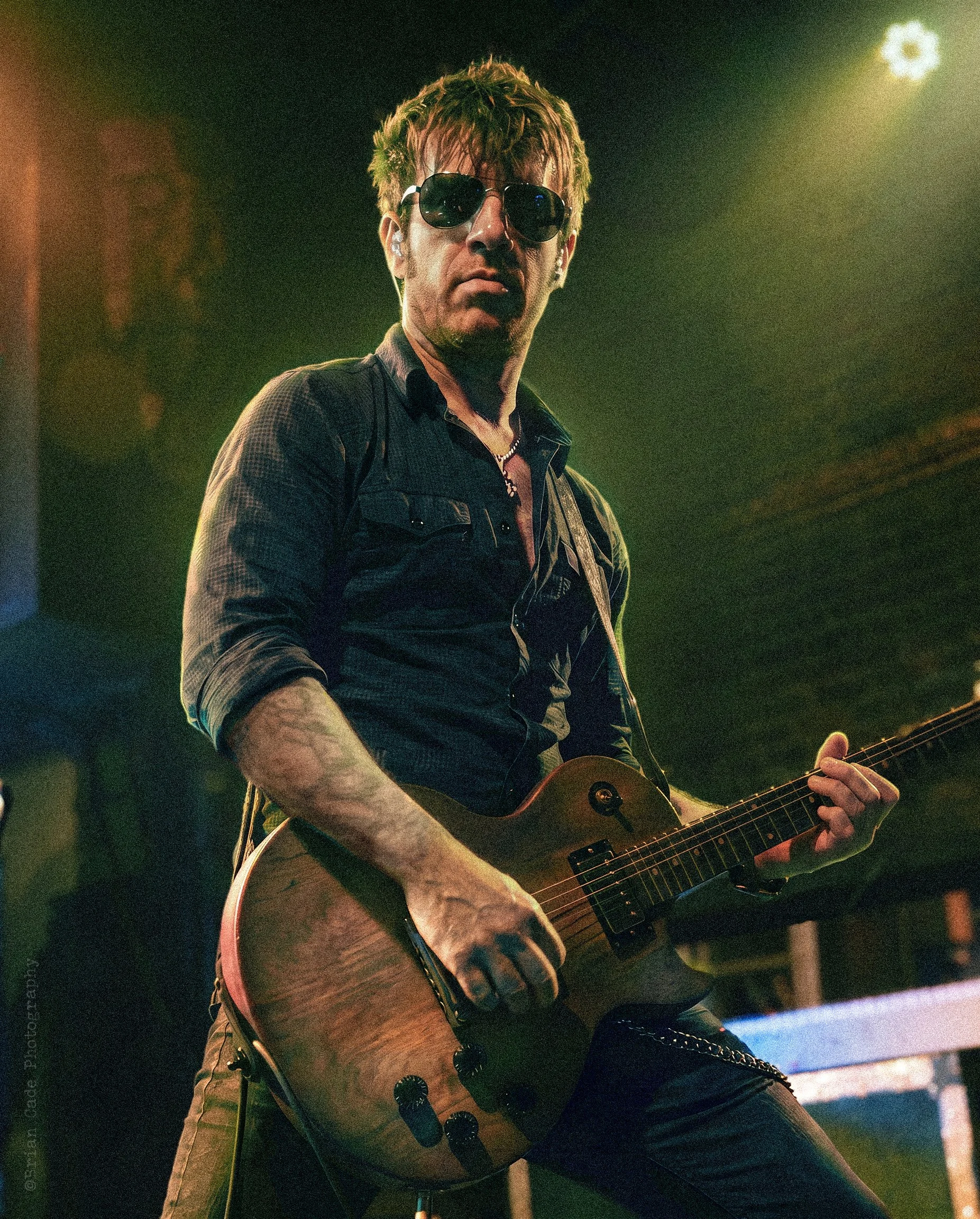
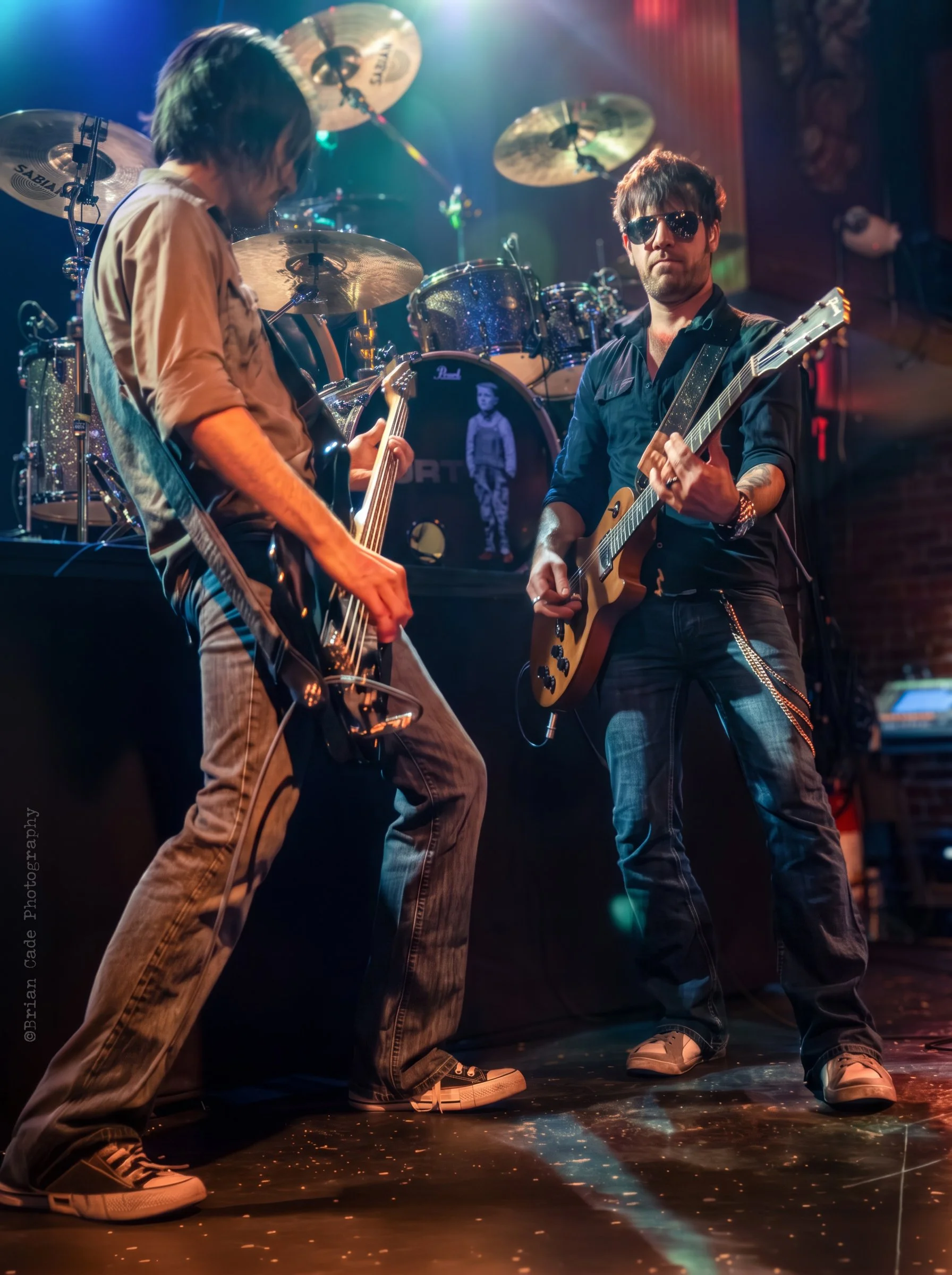
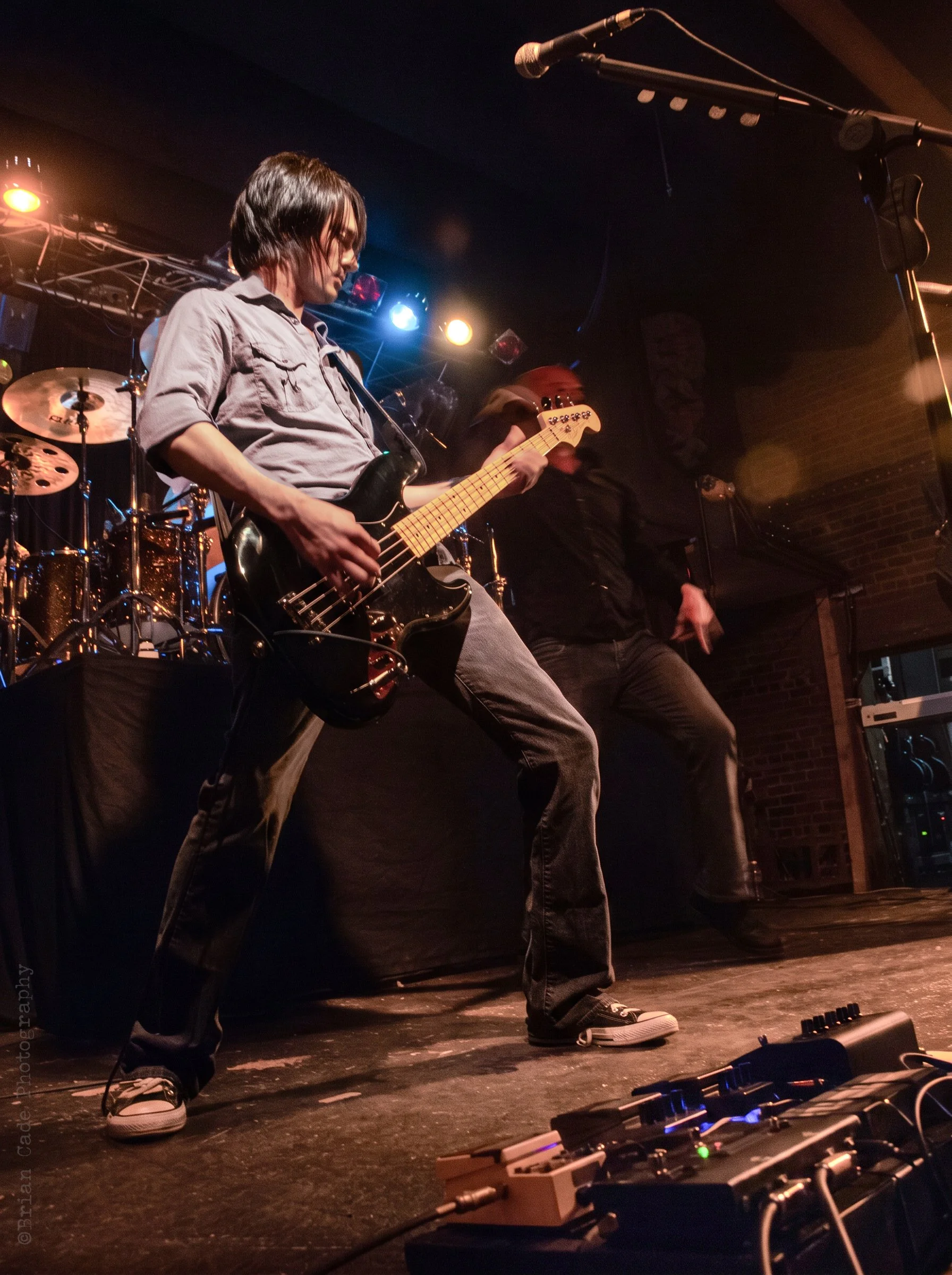
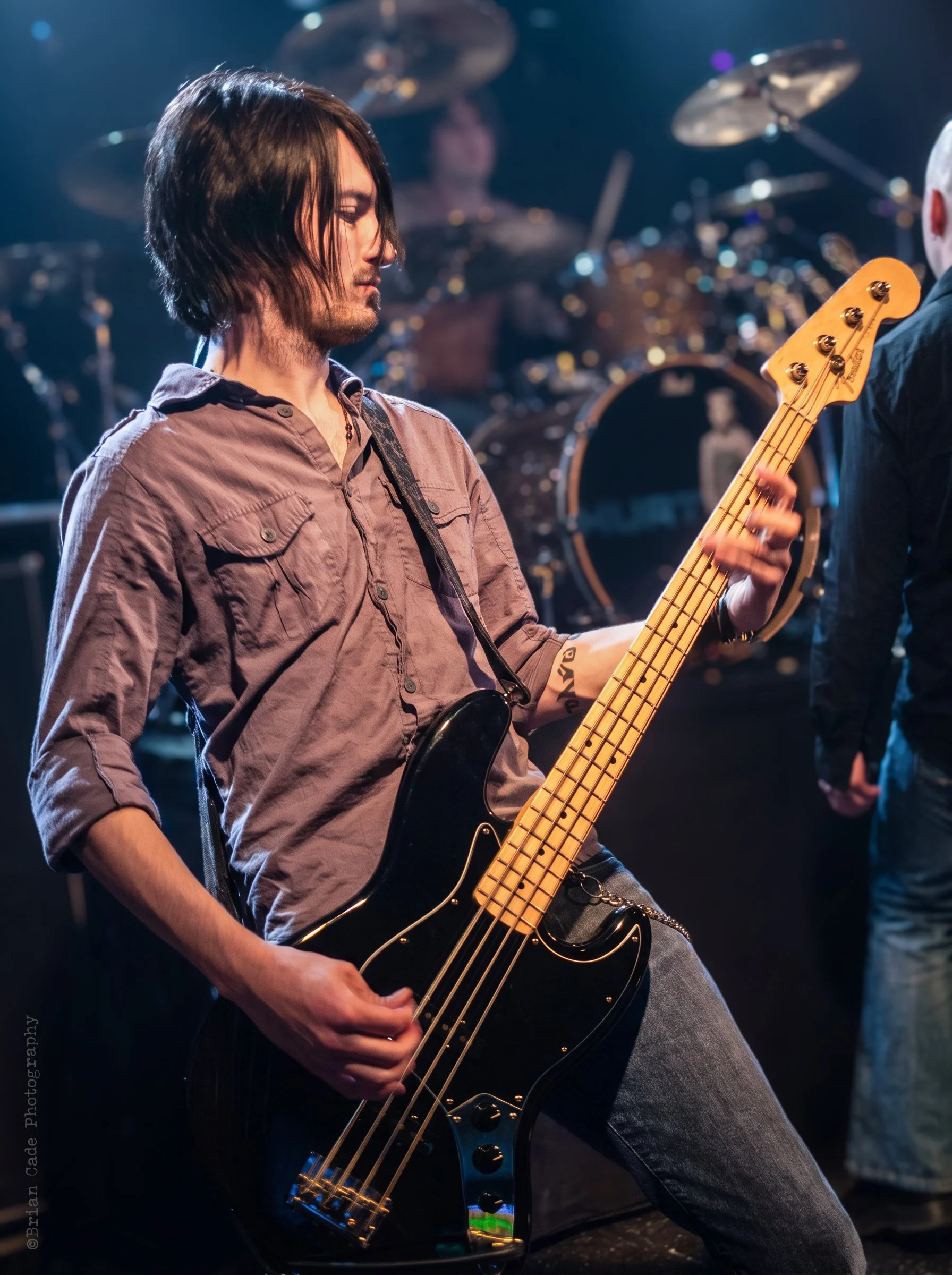

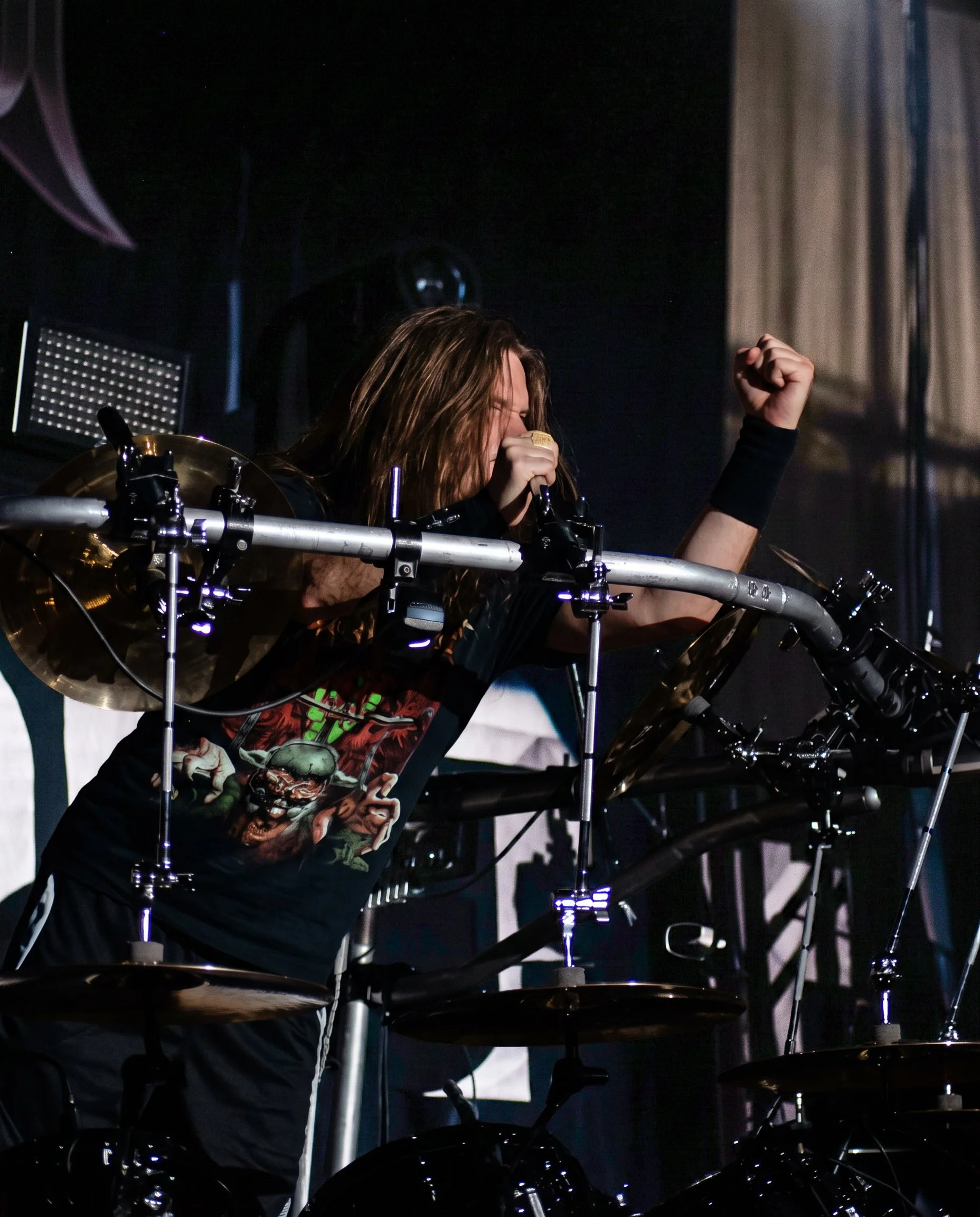
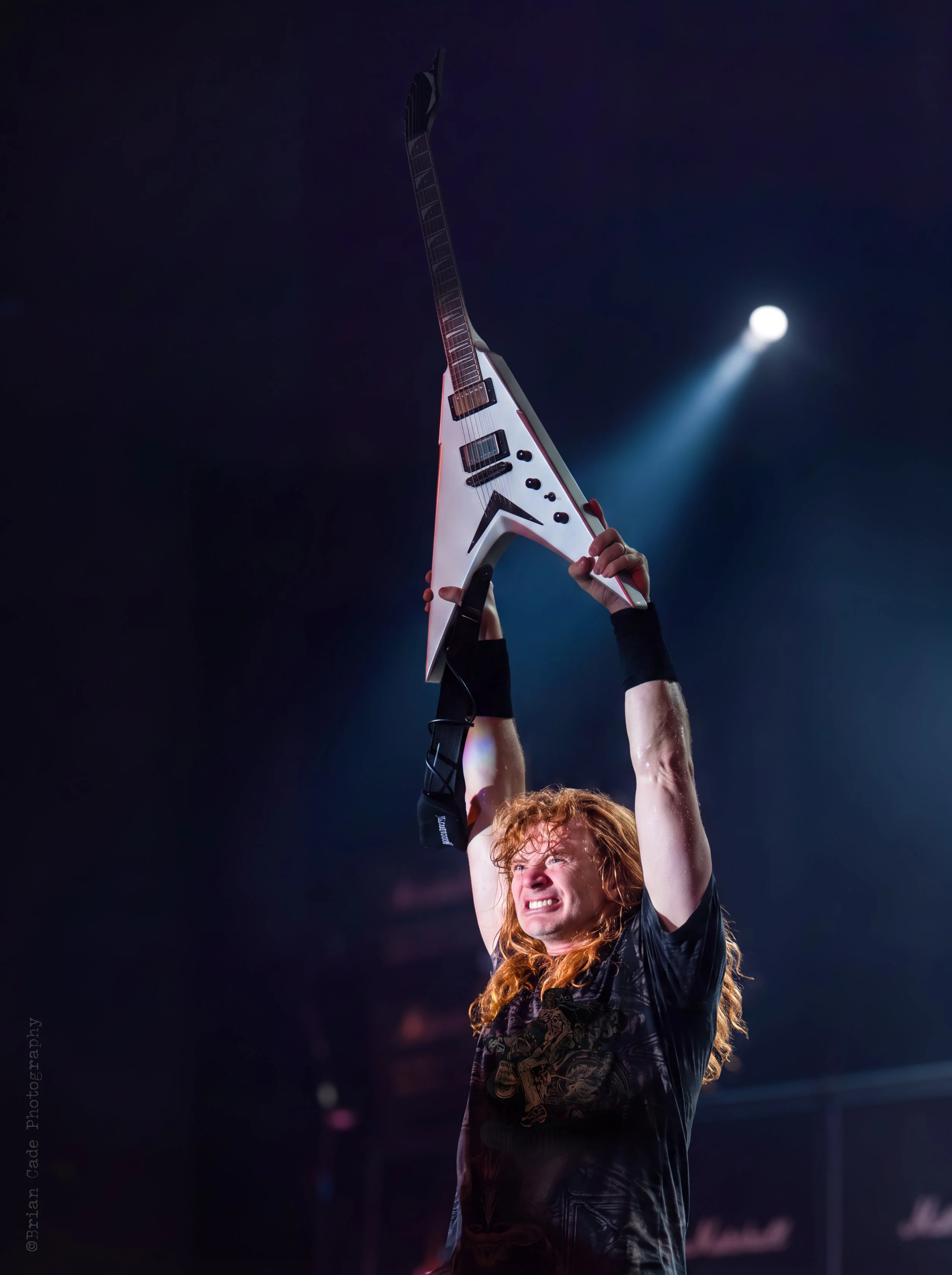
Megadeth: 2009 Endgame Tour
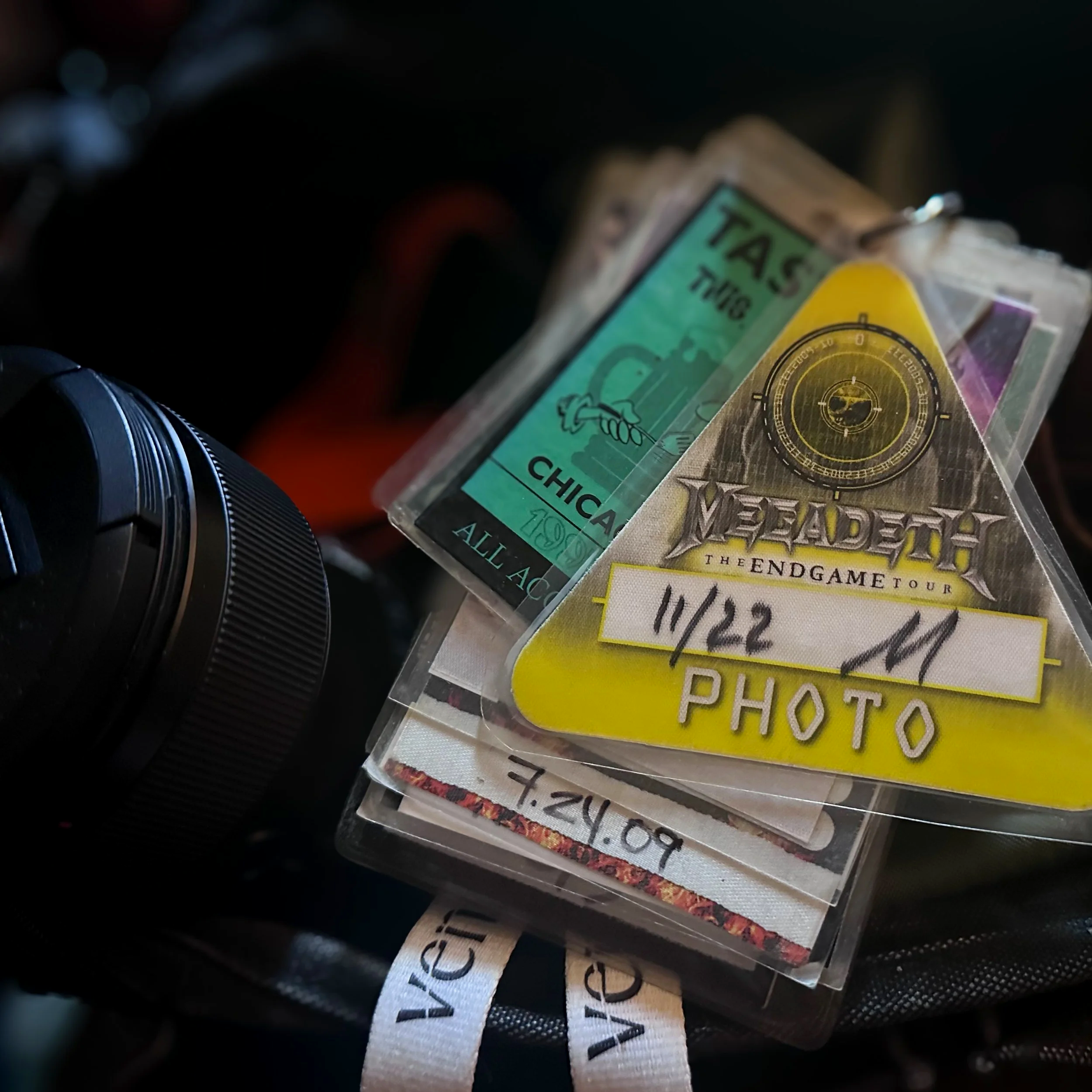
A few interesting stories came about when I covered the 2009 Megadeth Endgame tour stop in Knoxville, Tennessee, at the well-known Velarium. Megadeth headlined the show, with Machine Head and Suicide Silence as the opening acts.
A few interesting stories came about when I covered the 2009 Megadeth Endgame tour stop in Knoxville, Tennessee, at the well-known Velarium. Megadeth headlined the show, with Machine Head and Suicide Silence as the opening acts.
The Knoxville show was scheduled for November 22, but I rushed to request credentials on the 19th. Usually, you should ask for access at least a week in advance, so I knew I might get turned down. My main contact at Roadrunner Records, Megadeth's label, helped me get approved to cover Megadeth—just in time.
On the day of the show, I got to the venue just in time to cover Megadeth, despite my time constraints. I was disappointed, but I was alright with it.
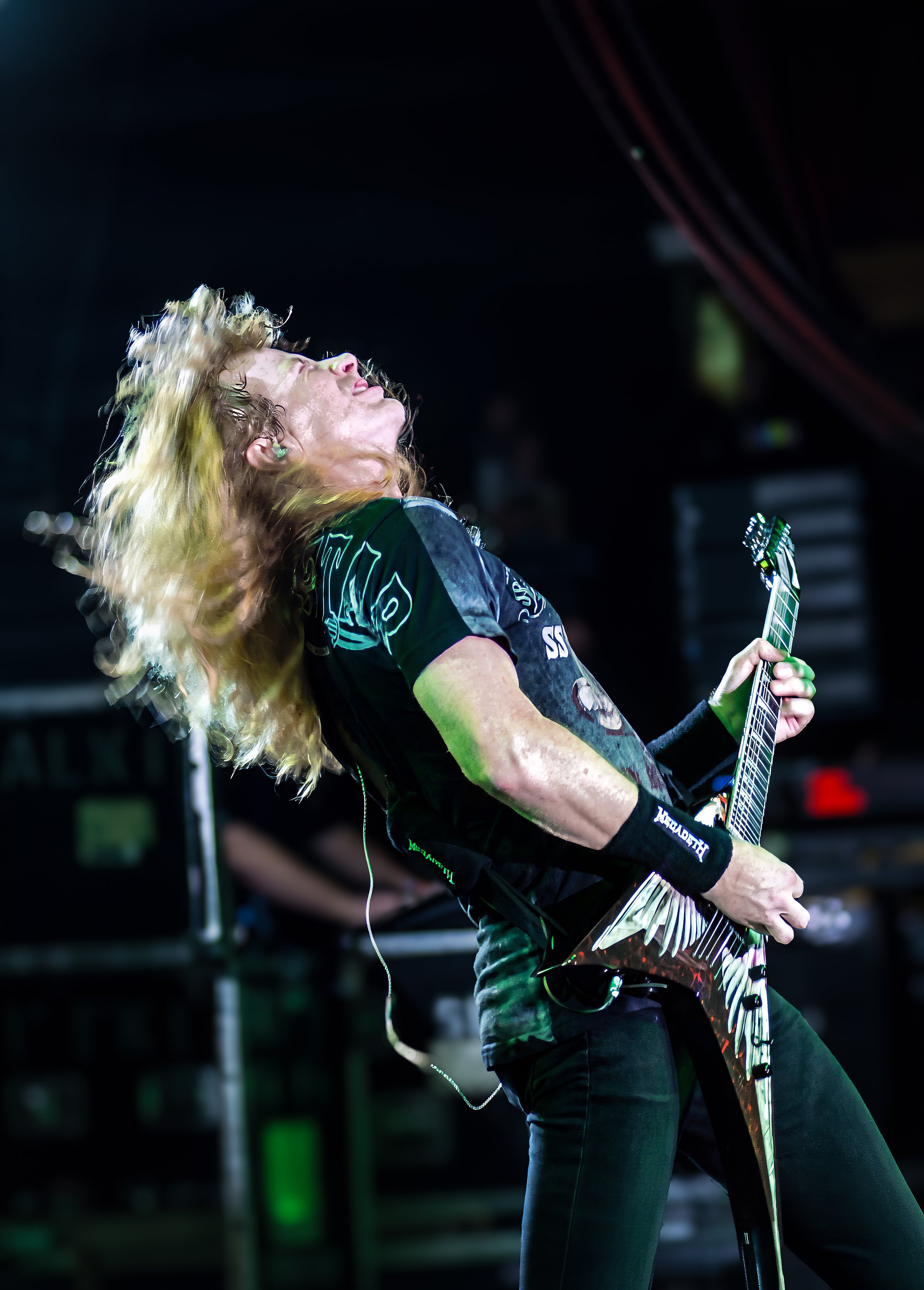
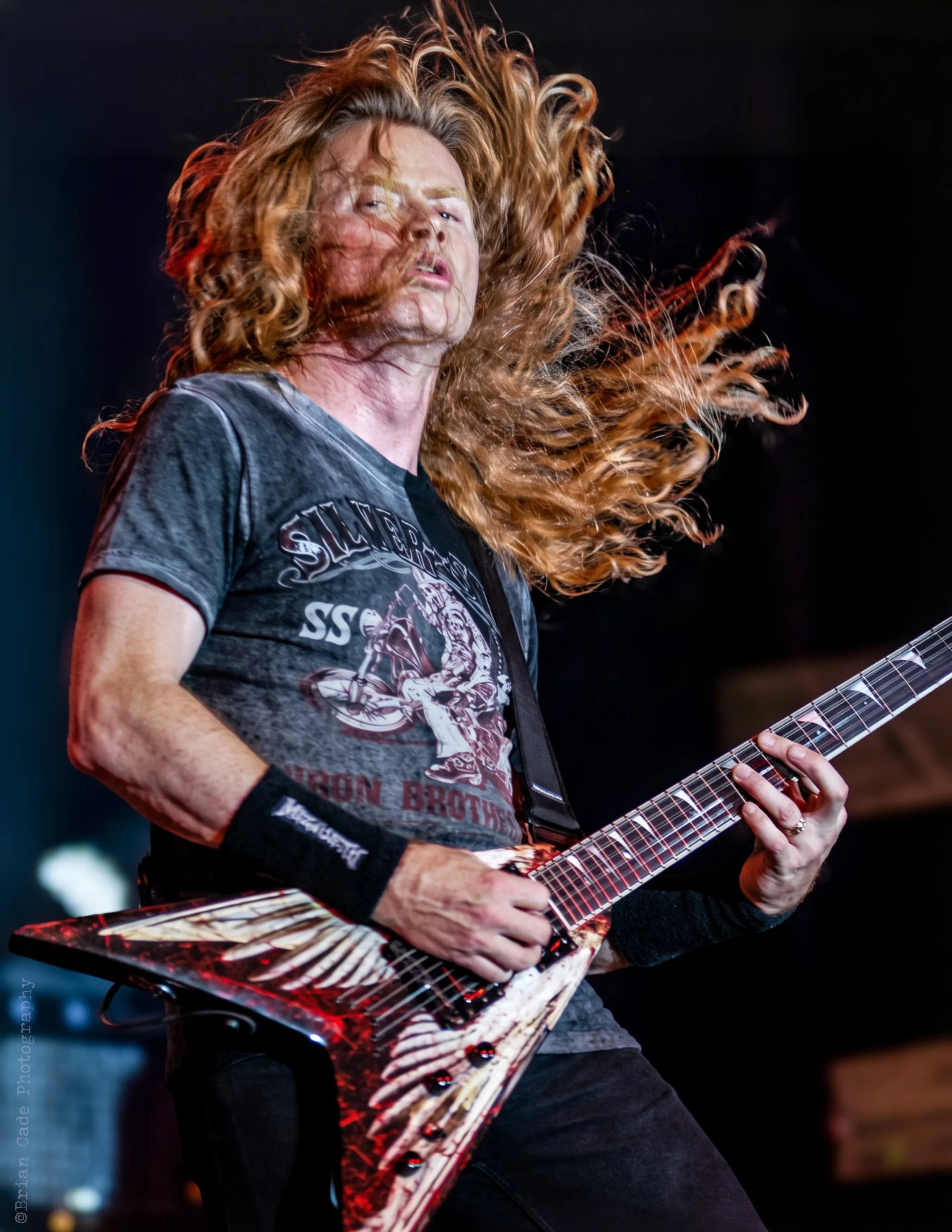
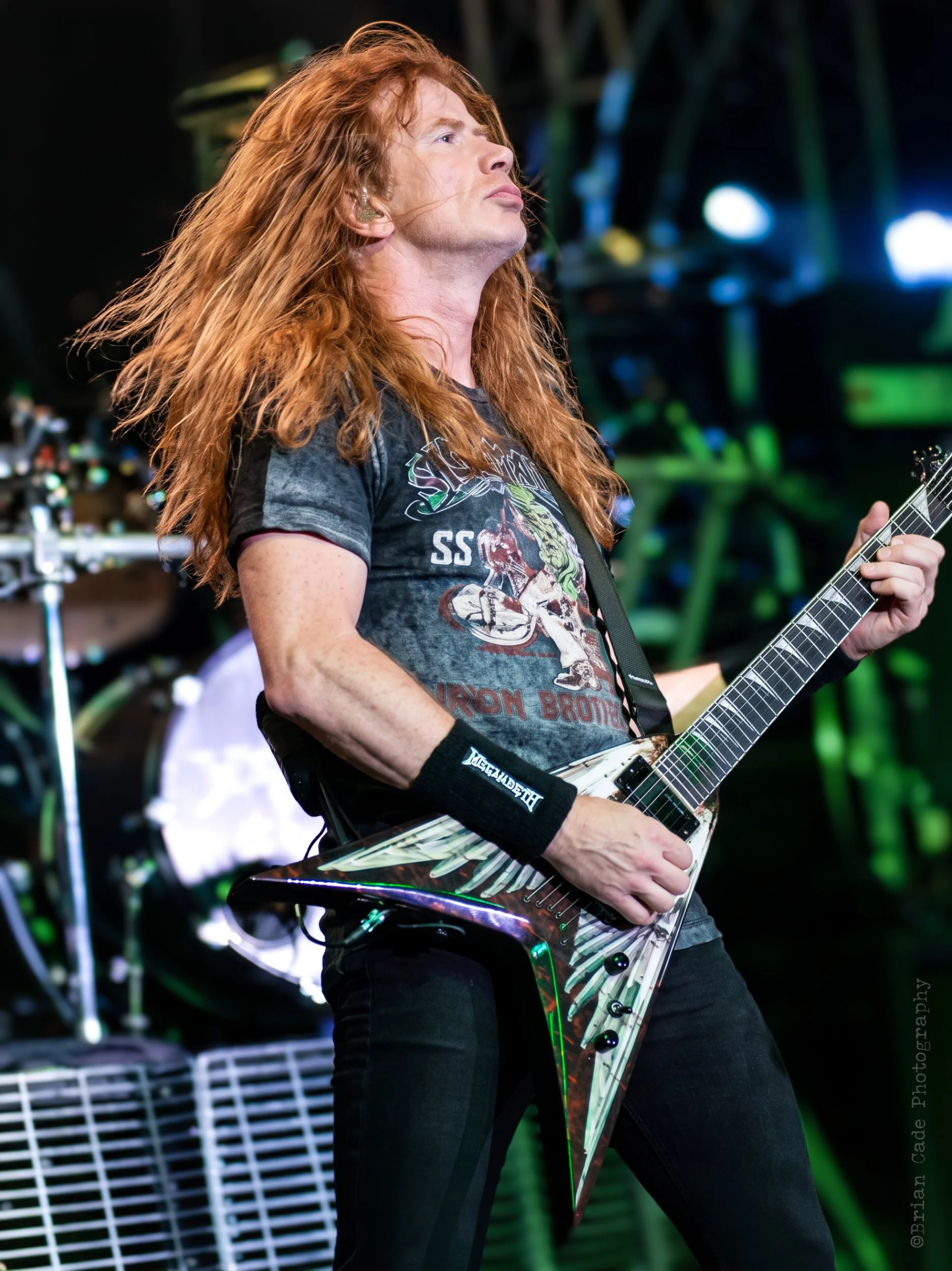
The press pit usually runs along the stage and is about four feet wide in small clubs, sometimes even less. For Megadeth, though, the center of the pit was filled with some of the band’s equipment, so I couldn’t move around to get different shots. I thought I knew that Dave Mustaine almost always sang facing his left, but I ended up on his right and couldn’t switch sides in time. I made the best of it and, once again, tried not to stress.
There were about four or five photographers in the pit, and I recognized a couple as locals. We each found a small spot to work from, hoping to get the best shots we could. There’s one thing I’ve never understood—it happens at a lot of concerts. Some women feel the urge to pull up their shirts and expose themselves to everyone nearby. This happened to me and one of the local photographers while we waited for the show to start. A young woman behind us tapped the local guy on the shoulder. He turned around, she gave him a big grin and said hello, then did the same to me. I guess she wanted more attention, because she tapped us both again on the shoulder, and when we turned around, she lifted her shirt to her chin with a huge smile. We weren’t shocked or offended; we just laughed loudly and turned back around. Then the show began.
At most events I photographed, the rules were always the same: shoot for three songs, no flash, then you were finished. Usually, someone would lead you off the main floor to leave the venue. Sometimes, you could store your gear in the main office and stay to enjoy the rest of the show. This time, when we were escorted out of the photo pit, none of that happened. Security just let us walk around the edge of the crowd, so I did. I even made my way to the middle of the crowd, on Dave’s left side, and managed to get some better photos. It turned out to be an amazing evening.
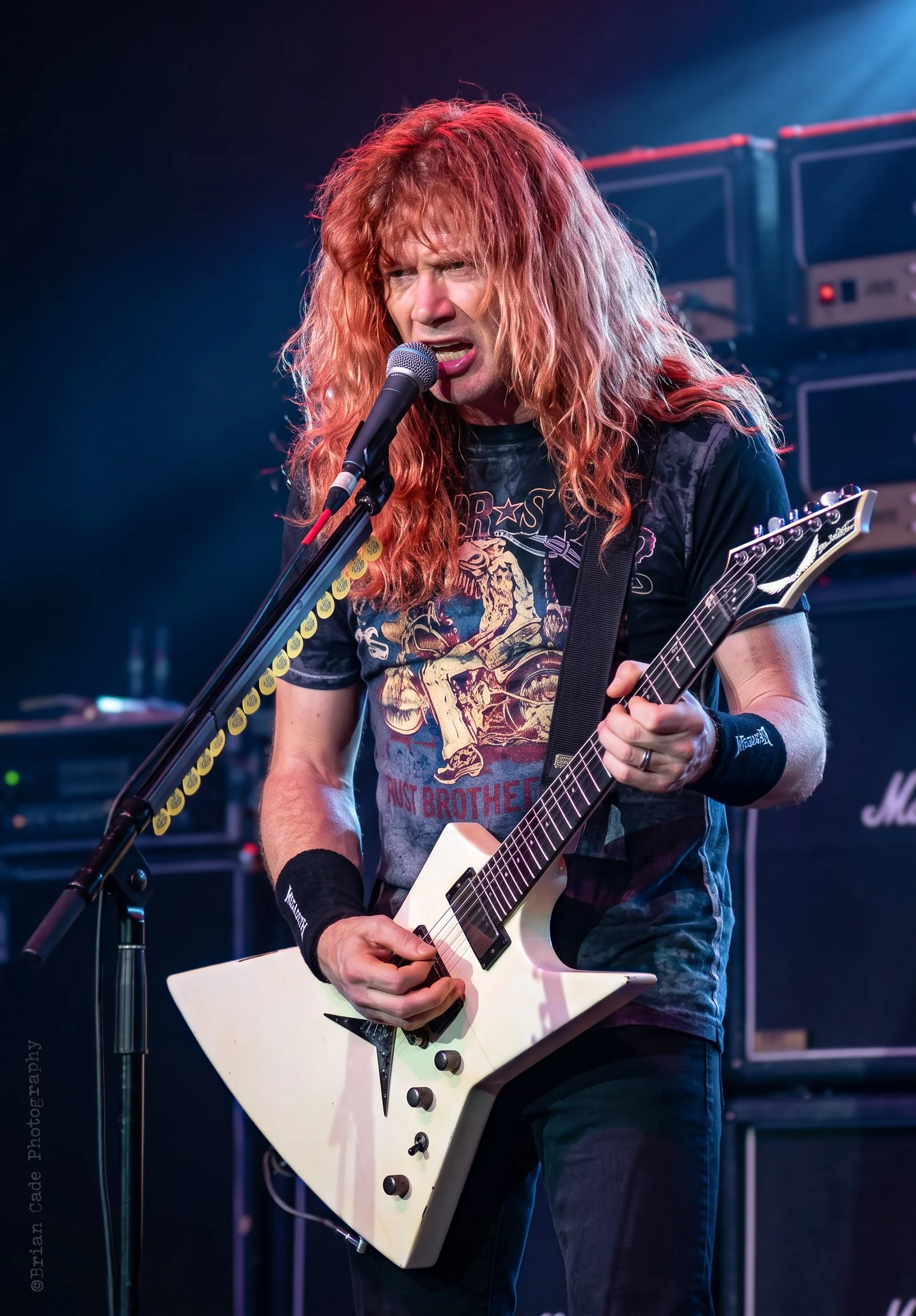
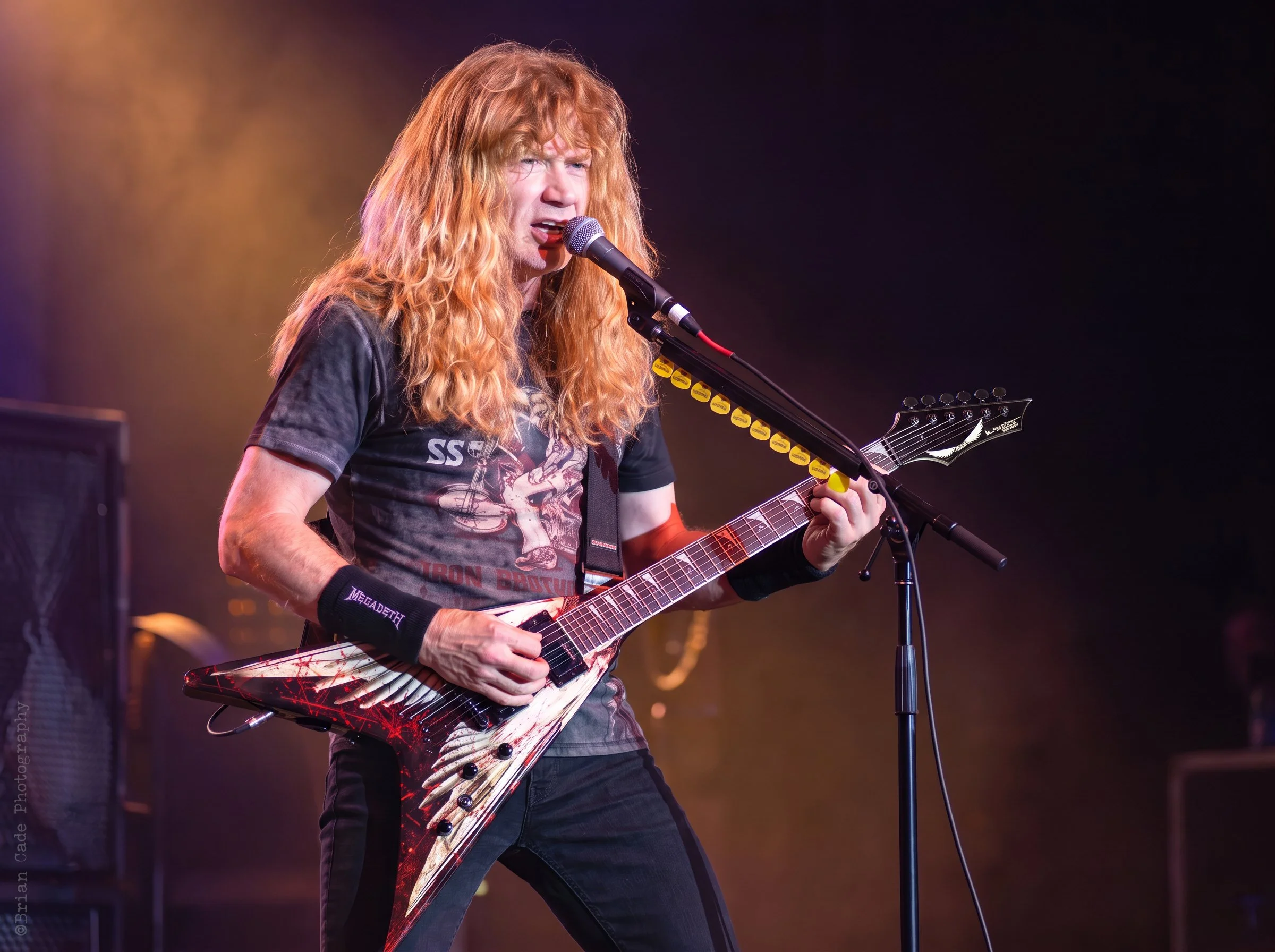
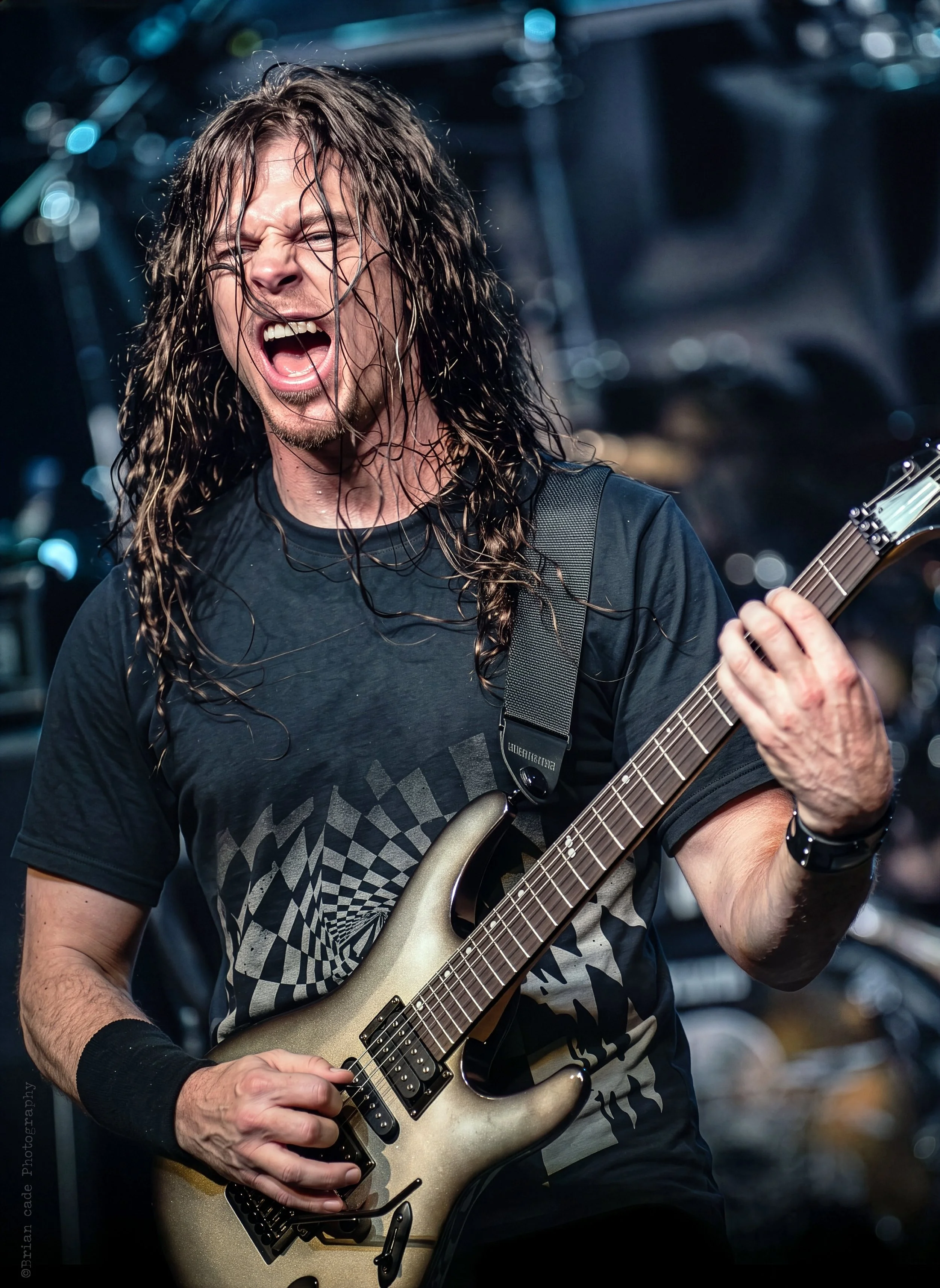
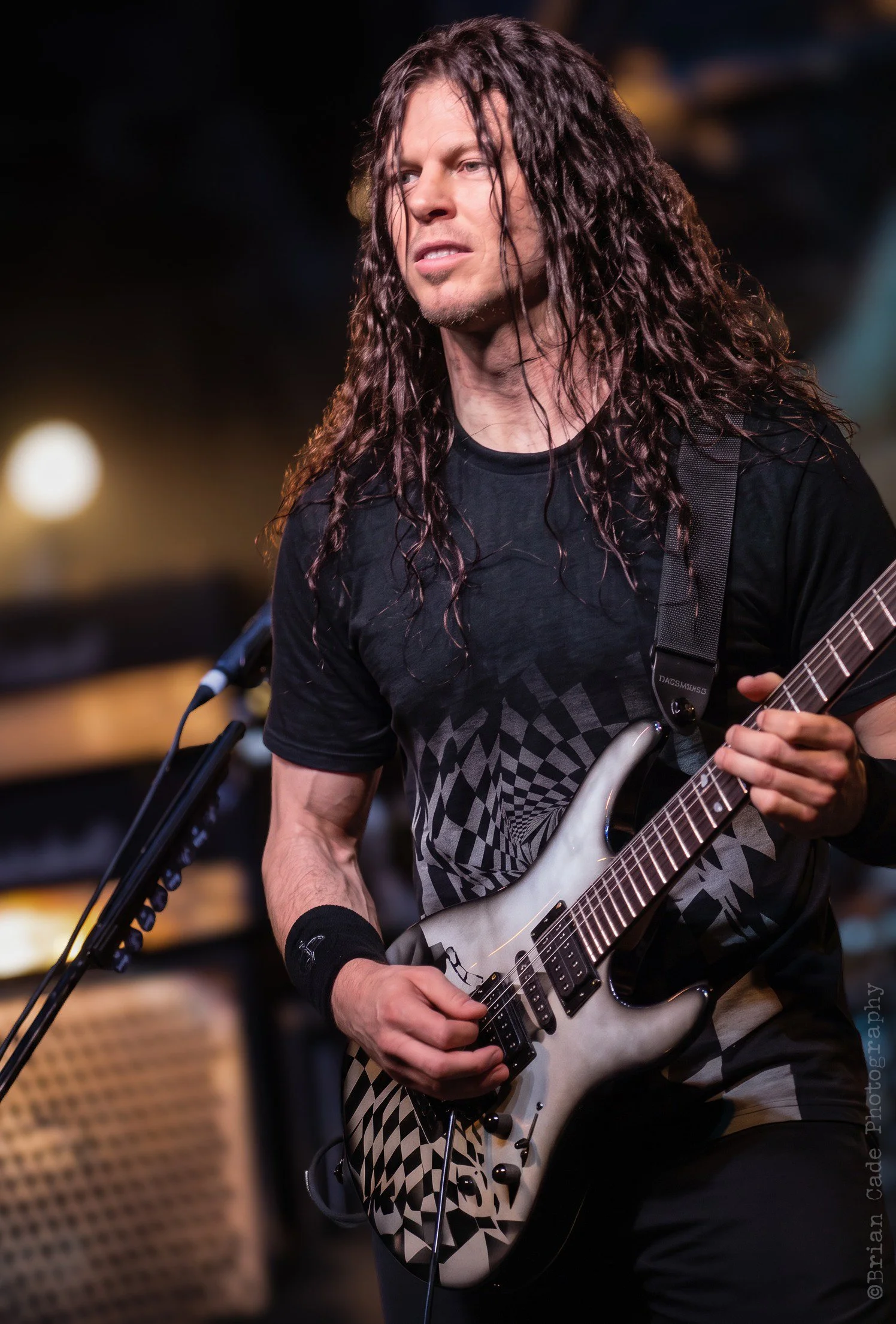


Adobe Firefly 5: My New AI Assistant
As our creative methods evolve, many digital photographers are worried about the rise of AI. This situation is similar to what traditional painters faced in 1839: The solution is to adapt and grow, or risk being left behind. The reality is that AI, even as a tool to help photographers, is here to stay.
Recently, I asked a pressing question to two dear friends of mine, Ellen, an accomplished painter, and her husband Chris, an avid photographer. The question had been eating at me for some time: when does a photograph lose its originality and become more of an AI illustration, and when does it truly remain a photograph with AI editing assistance? Both had similar questions as I did, so I went online in search of answers.
Most articles I read appeared to divide the field into AI-generated images and AI-assisted images. Since AI-generated is pretty much self-explanatory, I want to concentrate on AI-assisted images.
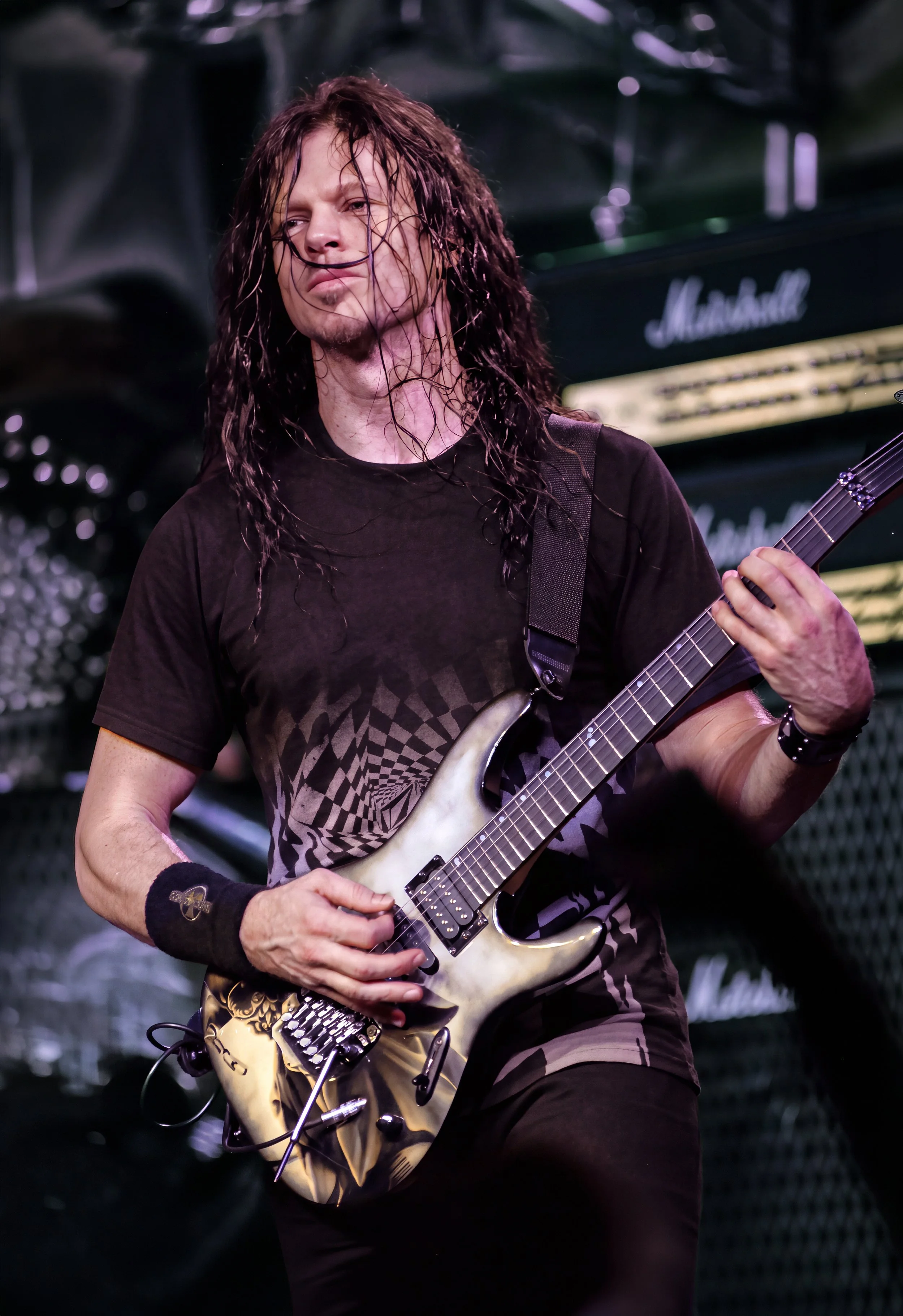
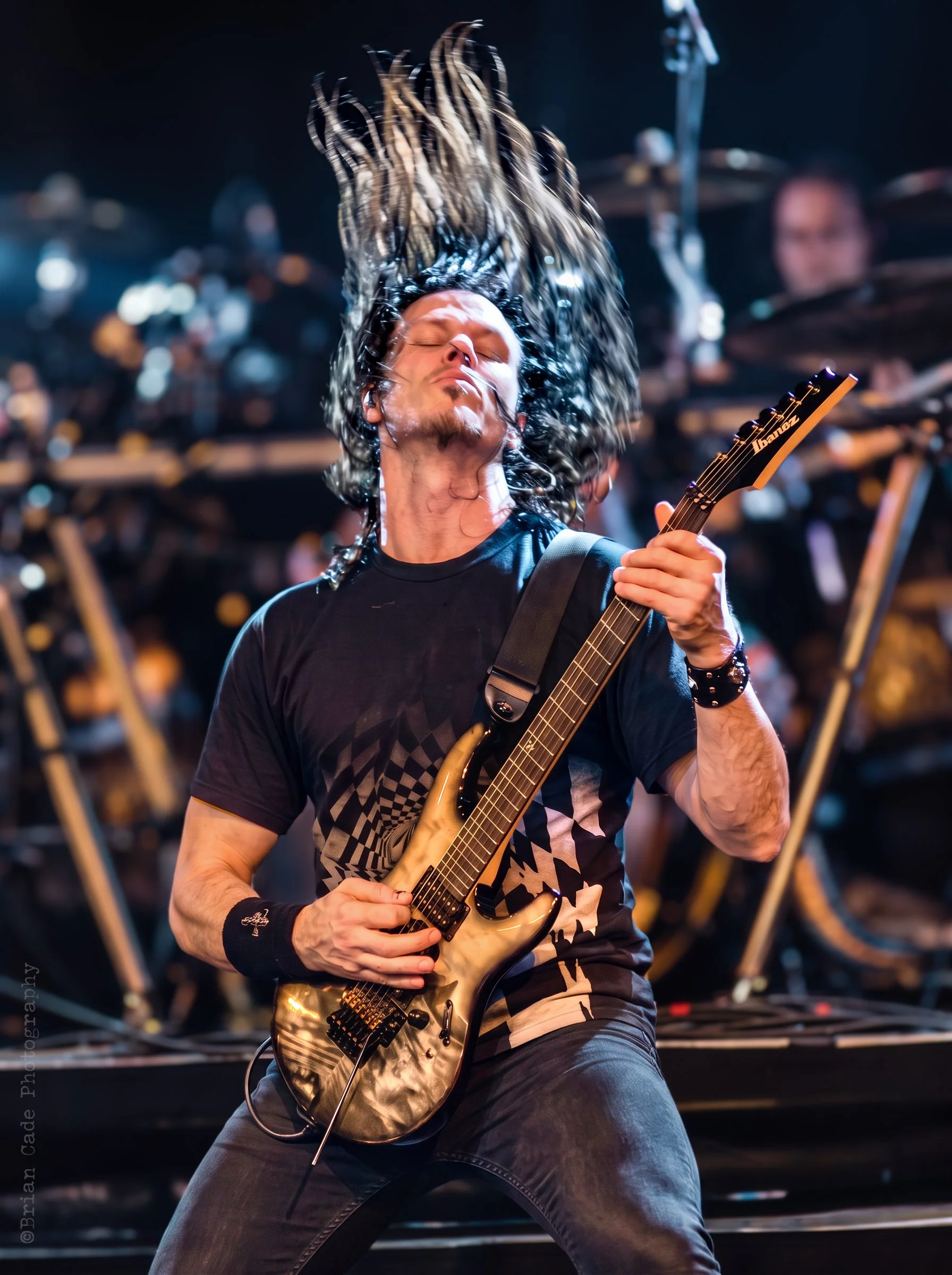
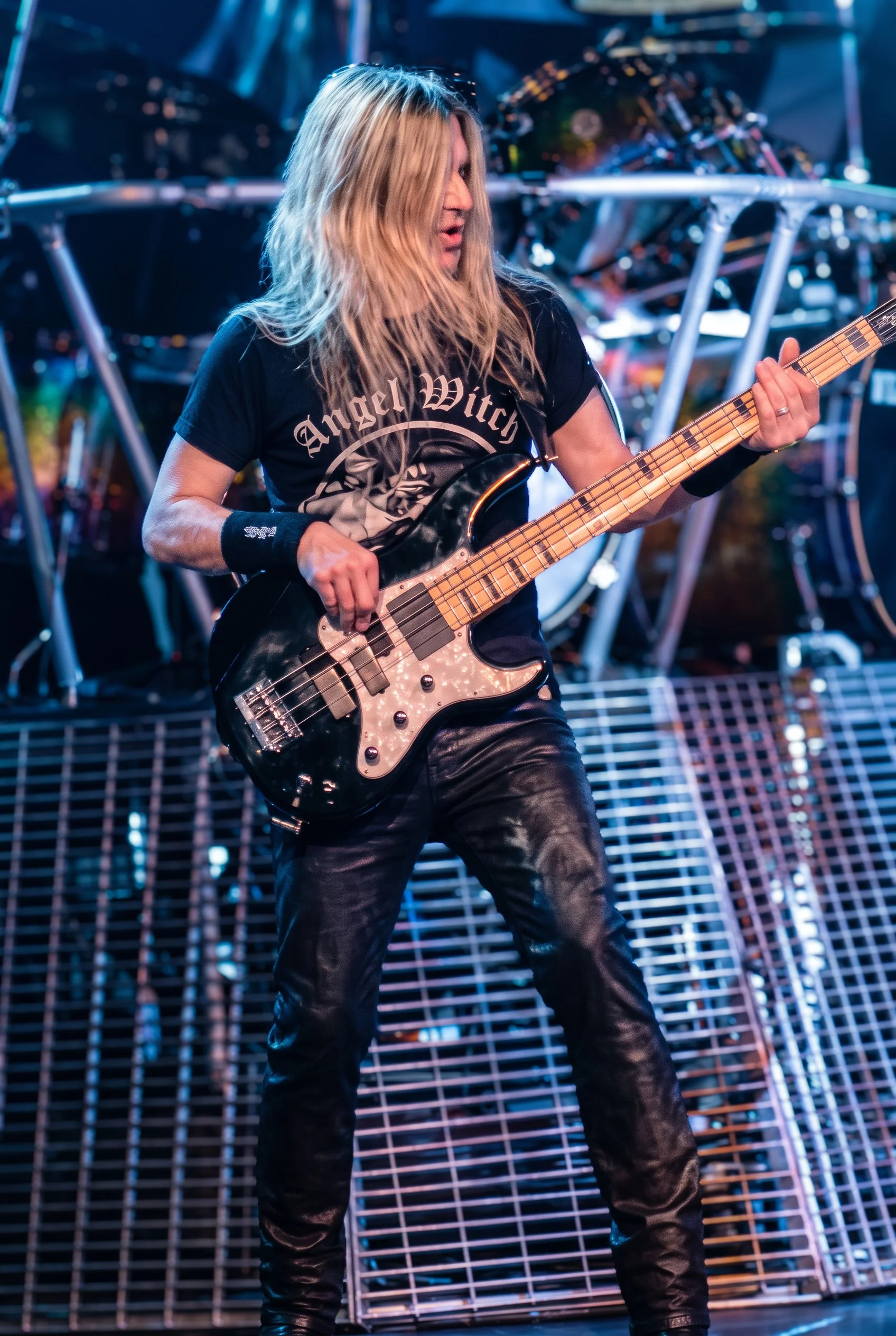
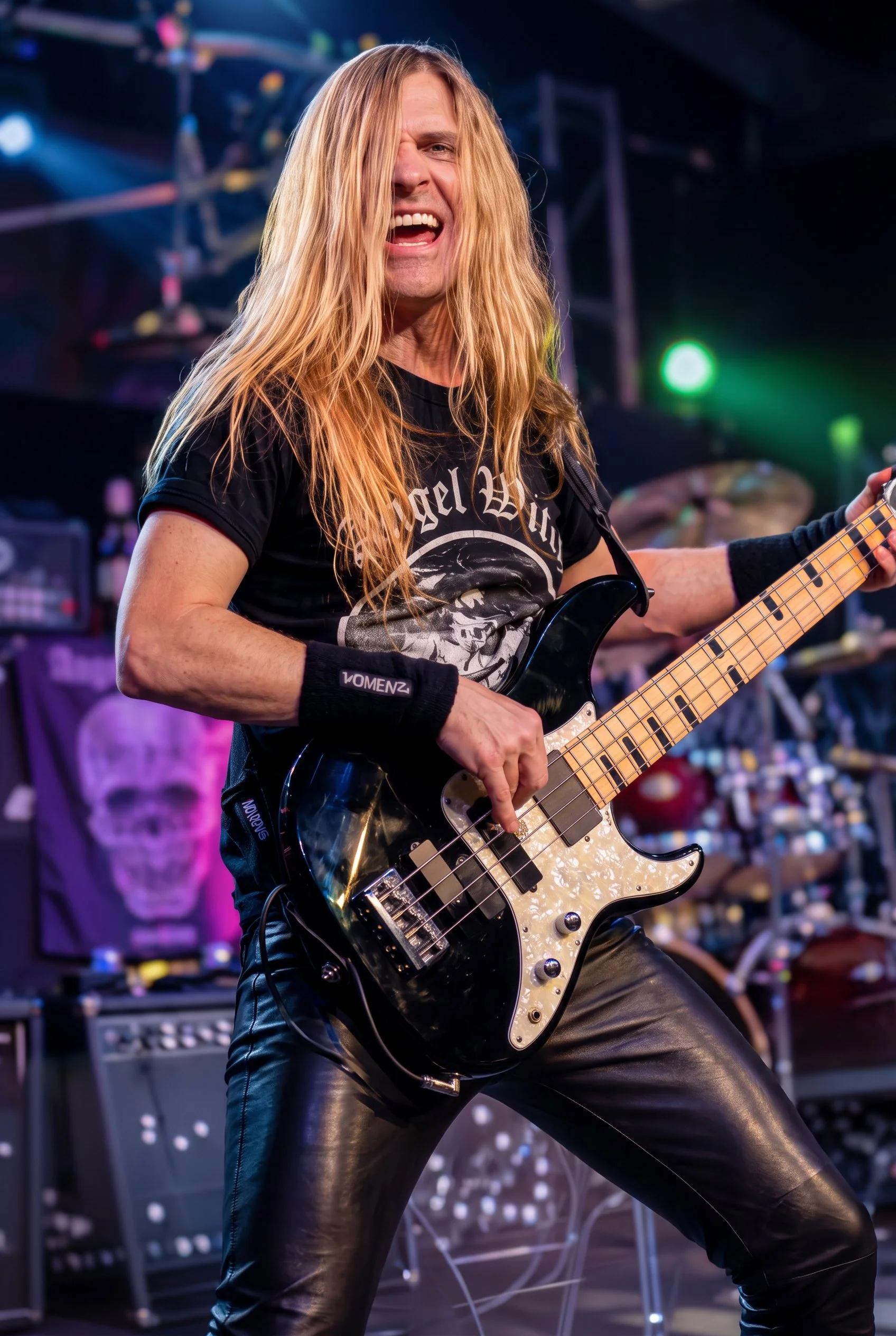
The images below of Tyler Connolly of Theory of a Deadman are a clear example I deem “assisted.” Top left is the original from 2011, followed by an edit I did in Photoshop the following year. Dodging and burning, along with some exposure adjustments, gave the image a new dynamic, especially in the mist and fog surrounding the artist. Notice, too, that I eliminated the microphone stand with Photoshop, as it was a distraction. In the bottom images, I removed the mic stand again and used Adobe Firefly to add more punch by eliminating the blue cast and crunching the pixels for a sharper, more defined image. AI assist also let me make the mist and fog more defined. Finally, masking areas in Lightroom and editing them gave the image a more appealing overall look.
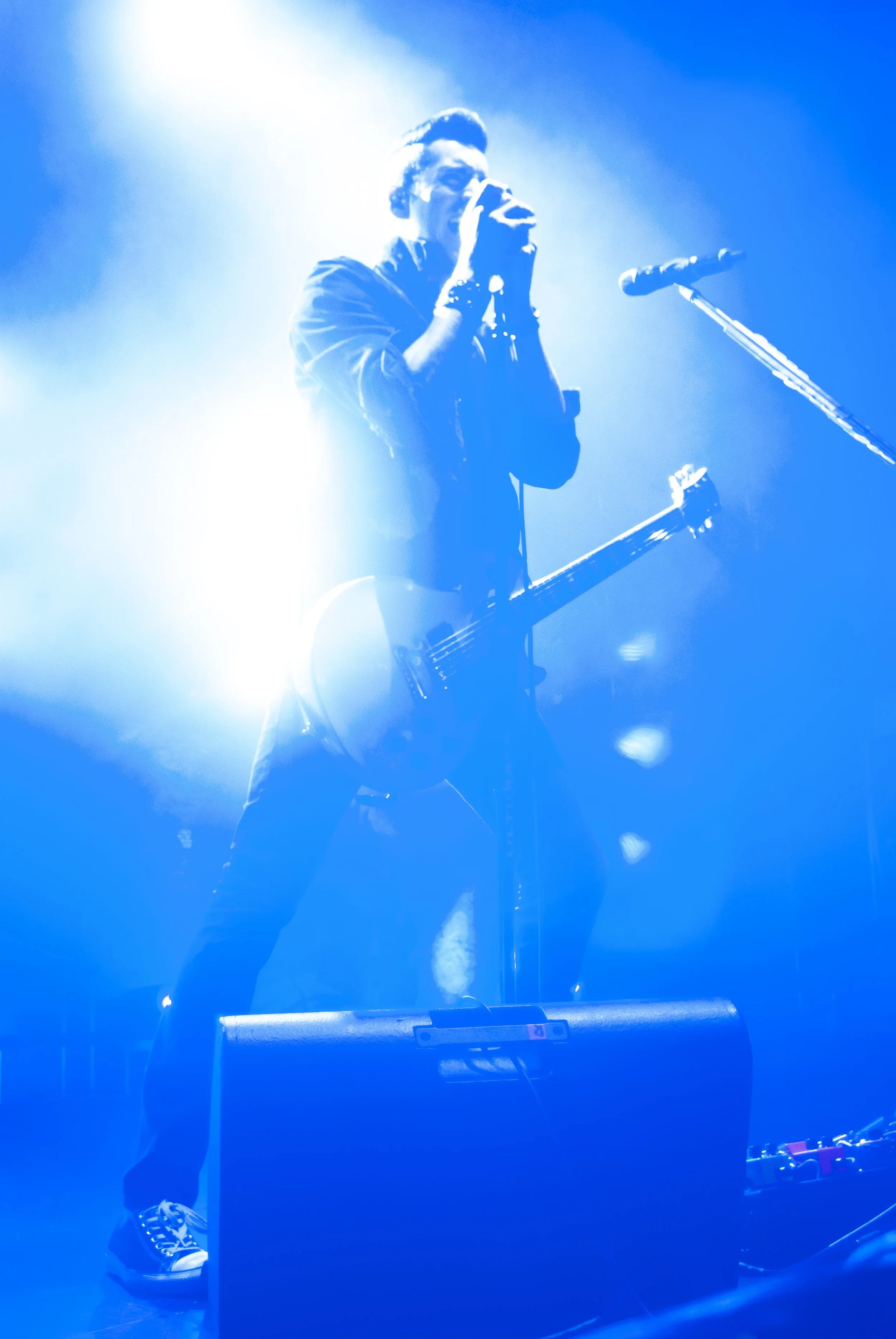
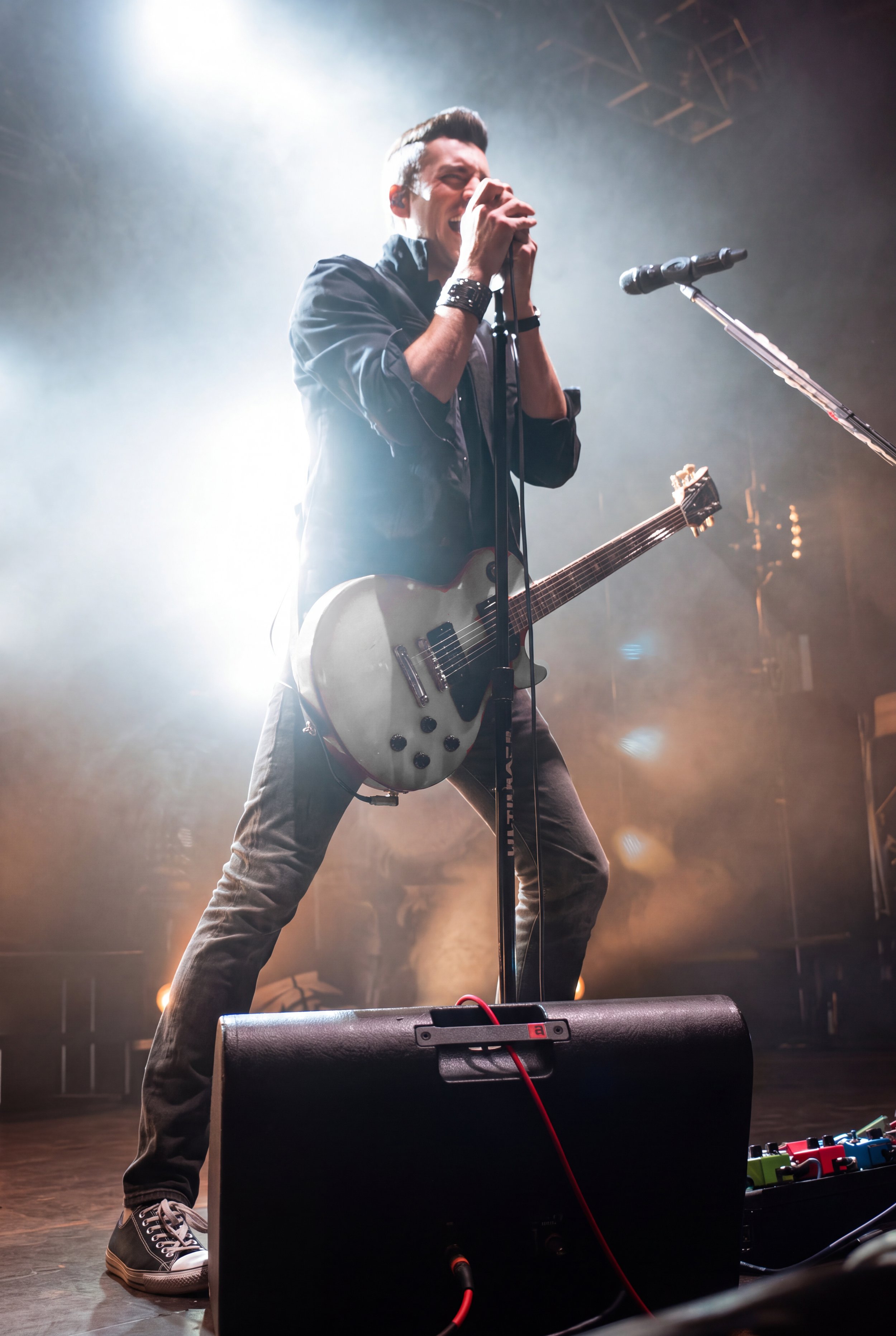
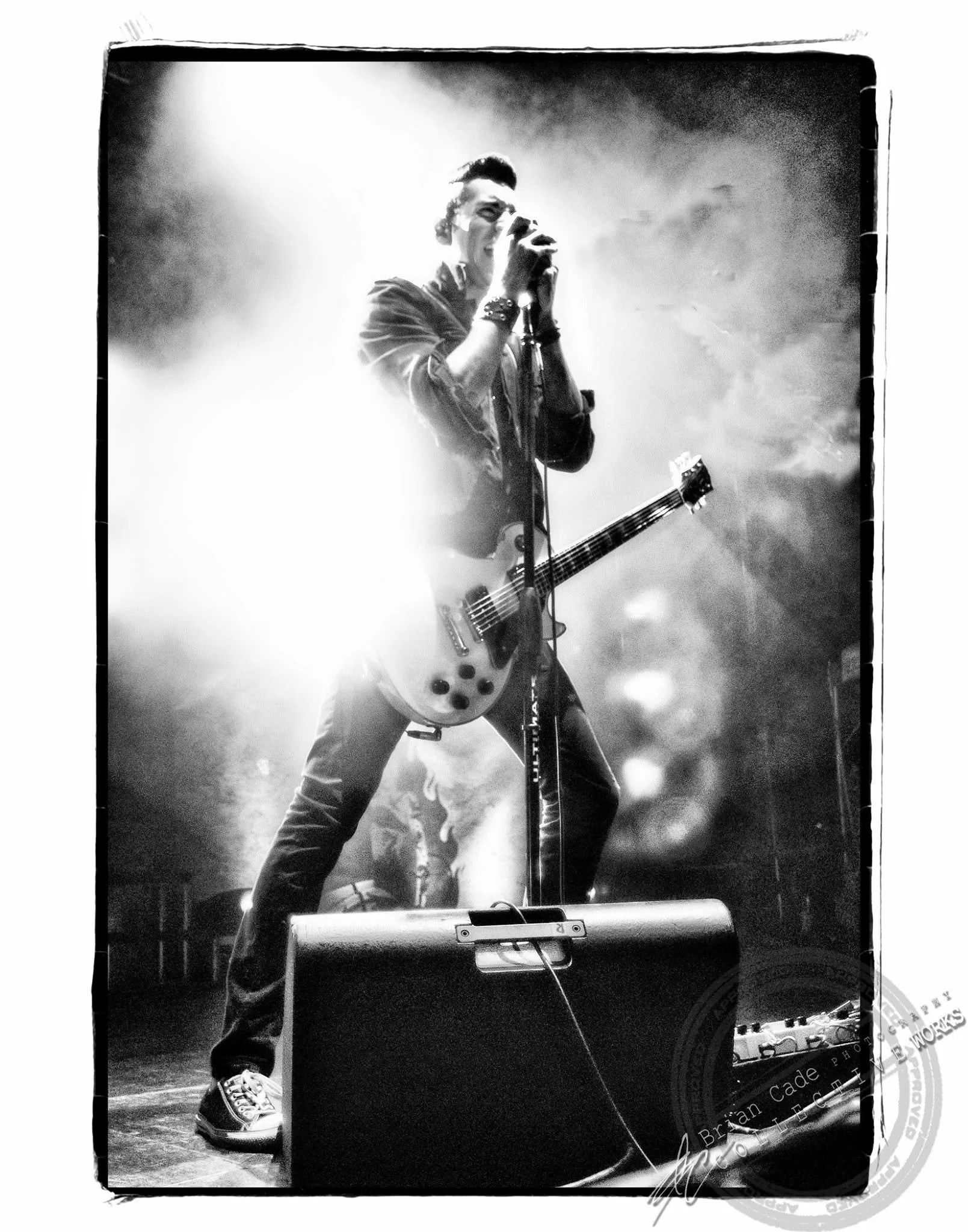
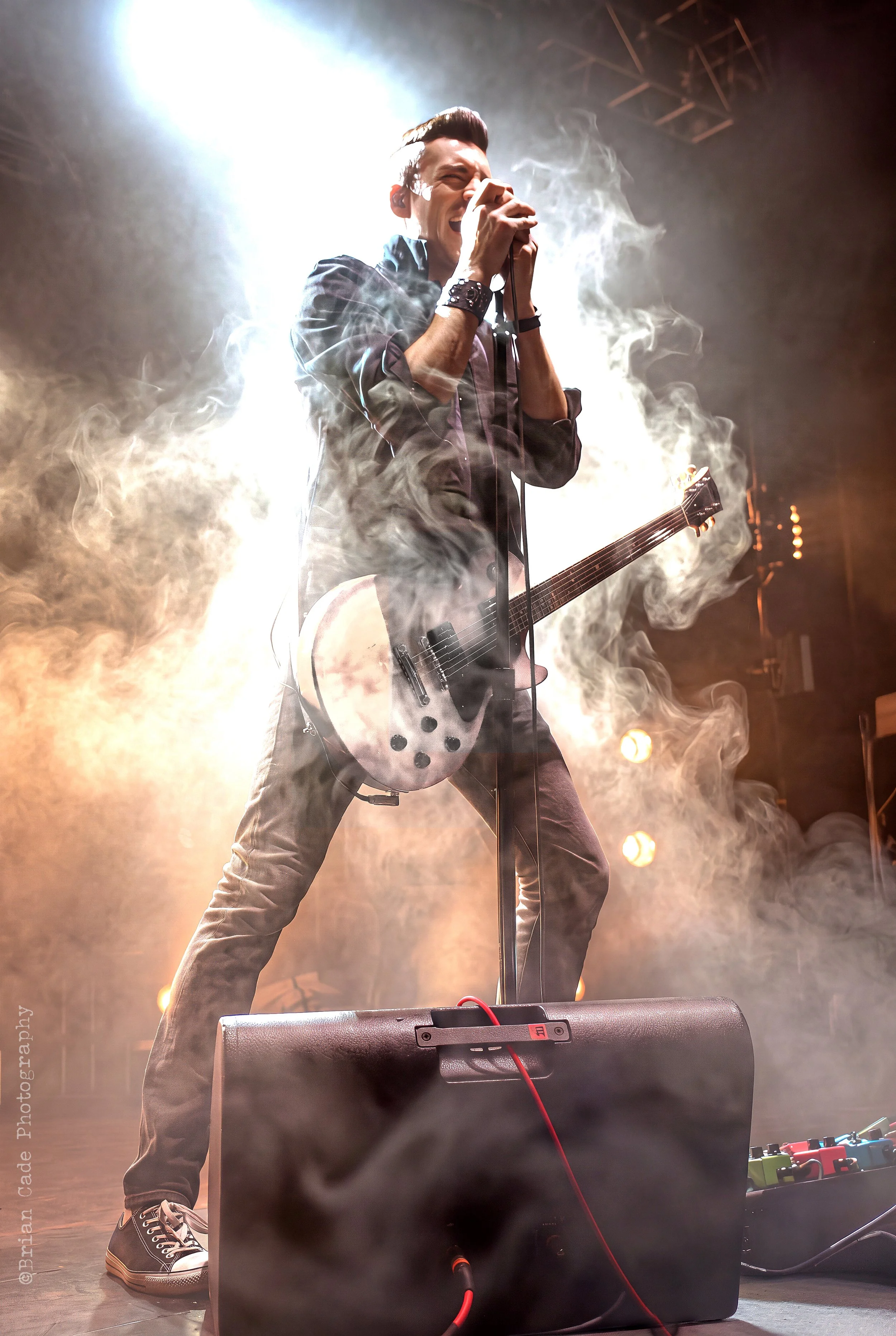
I have a ton of concert images where color lights dominated each band’s set, and I have a lot of image files that may seem unusable—until now. I used Adobe Lightroom CC to remove color cast with the temperature and tint sliders, along with the white balance selector, to adjust the image to a more pleasing rendition of a band or artist.
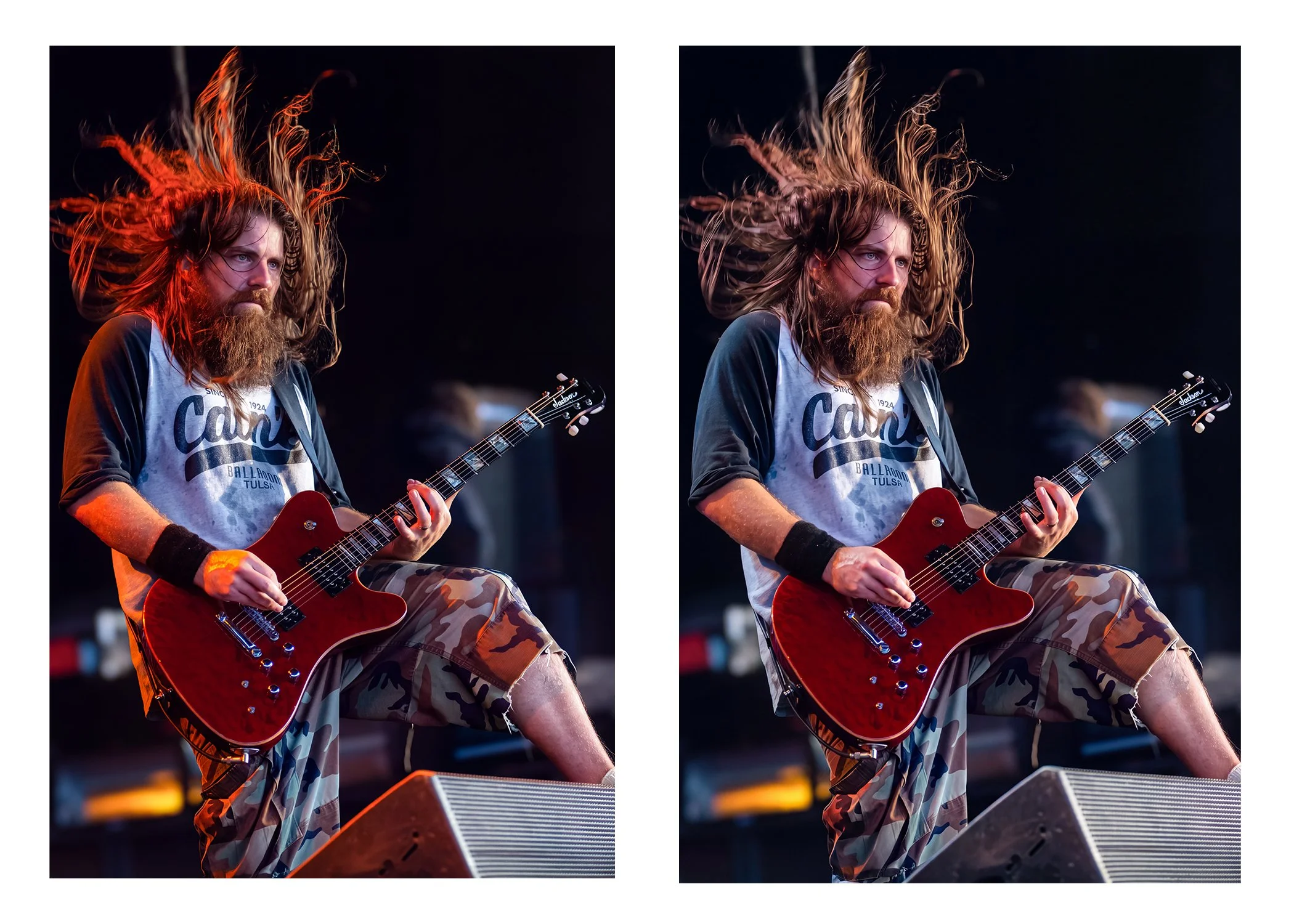
Using AI-assisted tools such as Topaz AI Denoise, AI Sharpen, Gigapixel, or even Adobe Firefly, I'm taking a lot of the heavy lifting out of the equation; I can now focus on the smaller details with masking in Lightroom to get a better image. I’ve been an artist longer than I have been a photographer; I have used all kinds of tools and push-button apps to achieve certain outcomes in an image. Not all worked, and then again some were over-processed. Below is another AI-assisted image, this time of Mark Morton of Lamb of God. I am really fond of the one on the left, which was processed through Adobe Camera RAW. I thought I’d remove the red color cast from the image to show how AI-assisted tools have a place in my workflow; it gave me a choice.
Just remember that when photography debuted in 1839, painters reacted with despair, panic, and hostility. French painter Paul Delaroche declared “from today painting is dead,” while English romantic painter J.M.W. Turner called it the end of art. Same as when digital photography made its debut, purists of the film and darkroom age felt the same as the painters did when photography came around.
As our creative methods evolve, many digital photographers are worried about the rise of AI. This situation is similar to what traditional painters faced in 1839: The solution is to adapt and grow, or risk being left behind. The reality is that AI, even as a tool to help photographers, is here to stay.