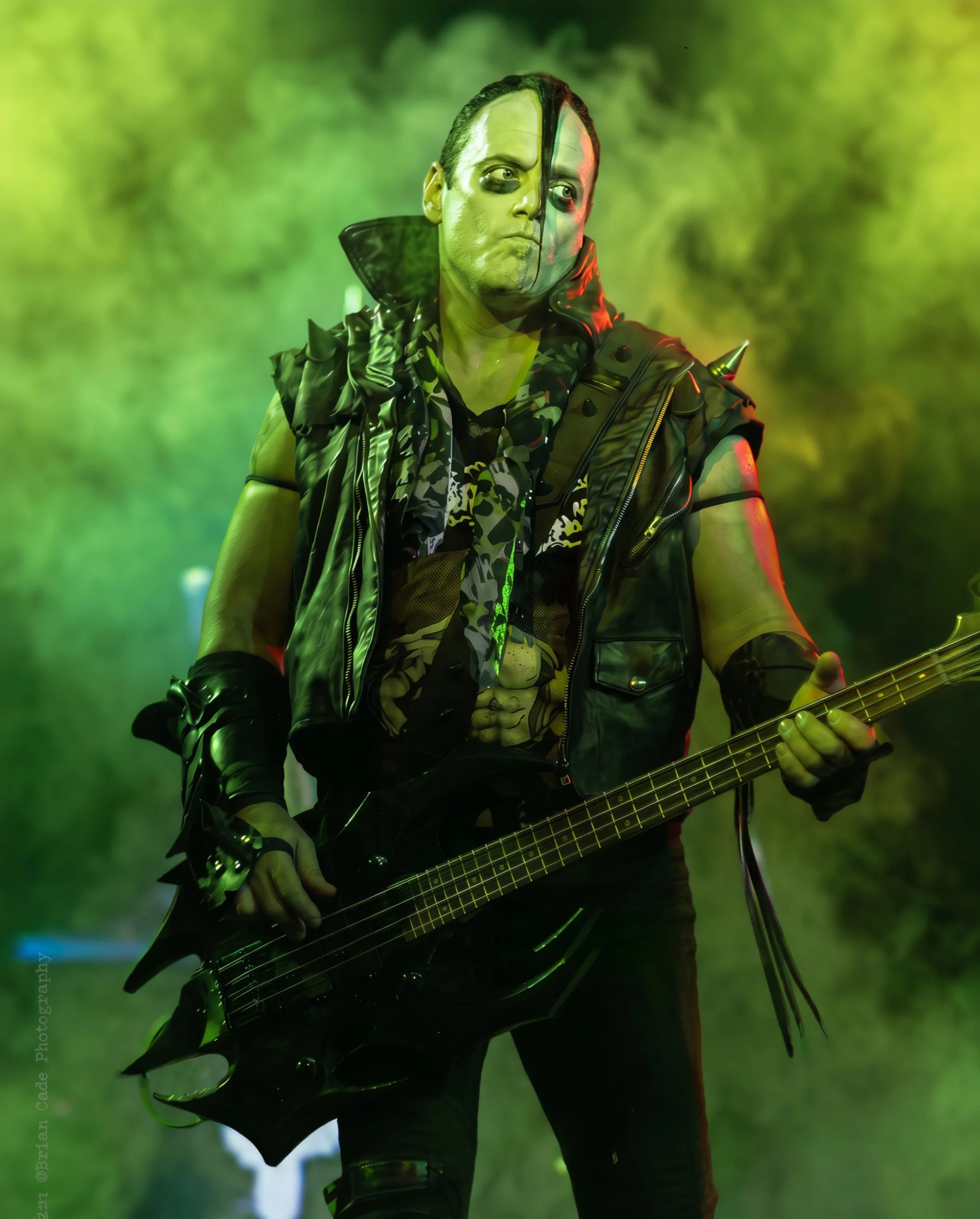
Misfits
I wanted to share this series from my concert archives for Halloween. Hope you enjoy it.
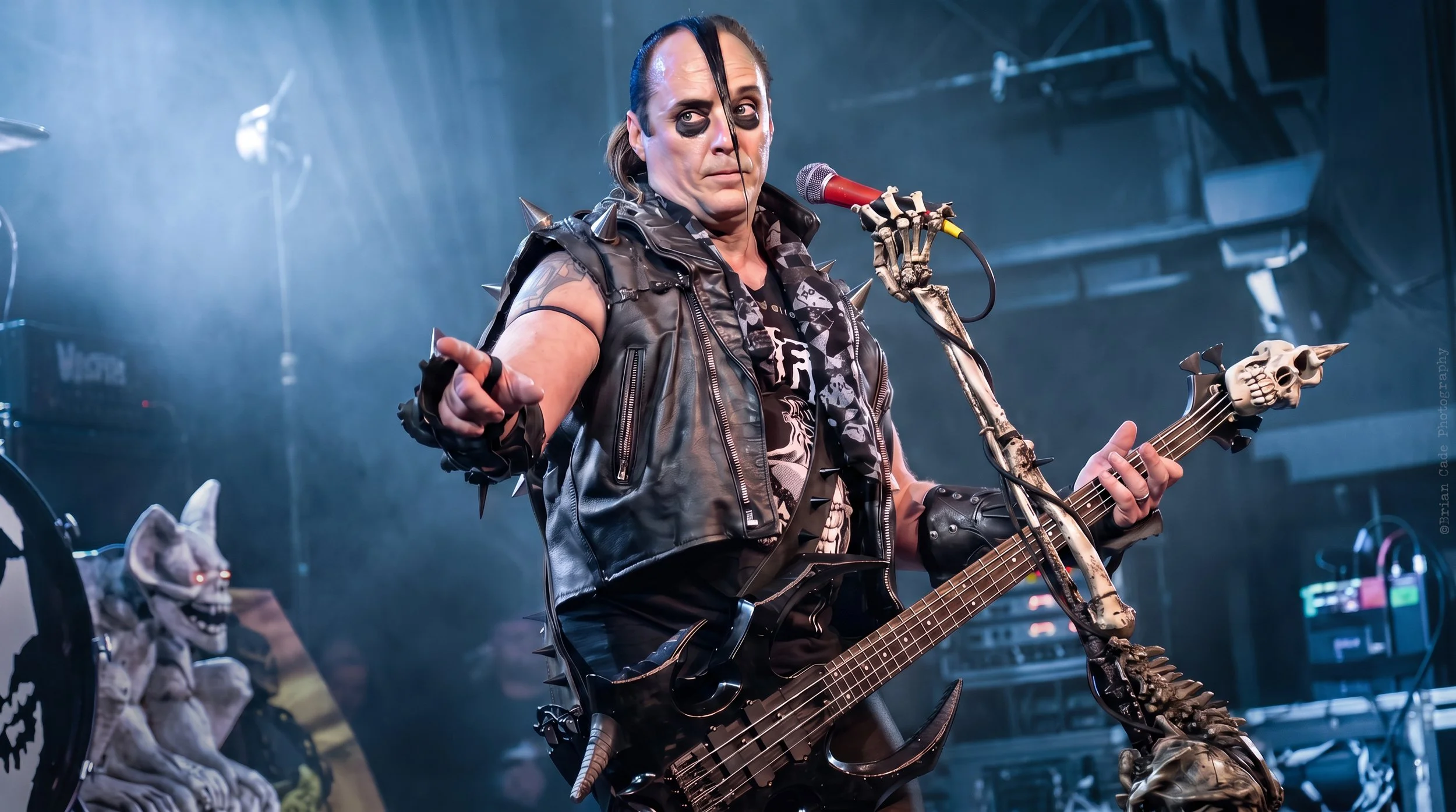
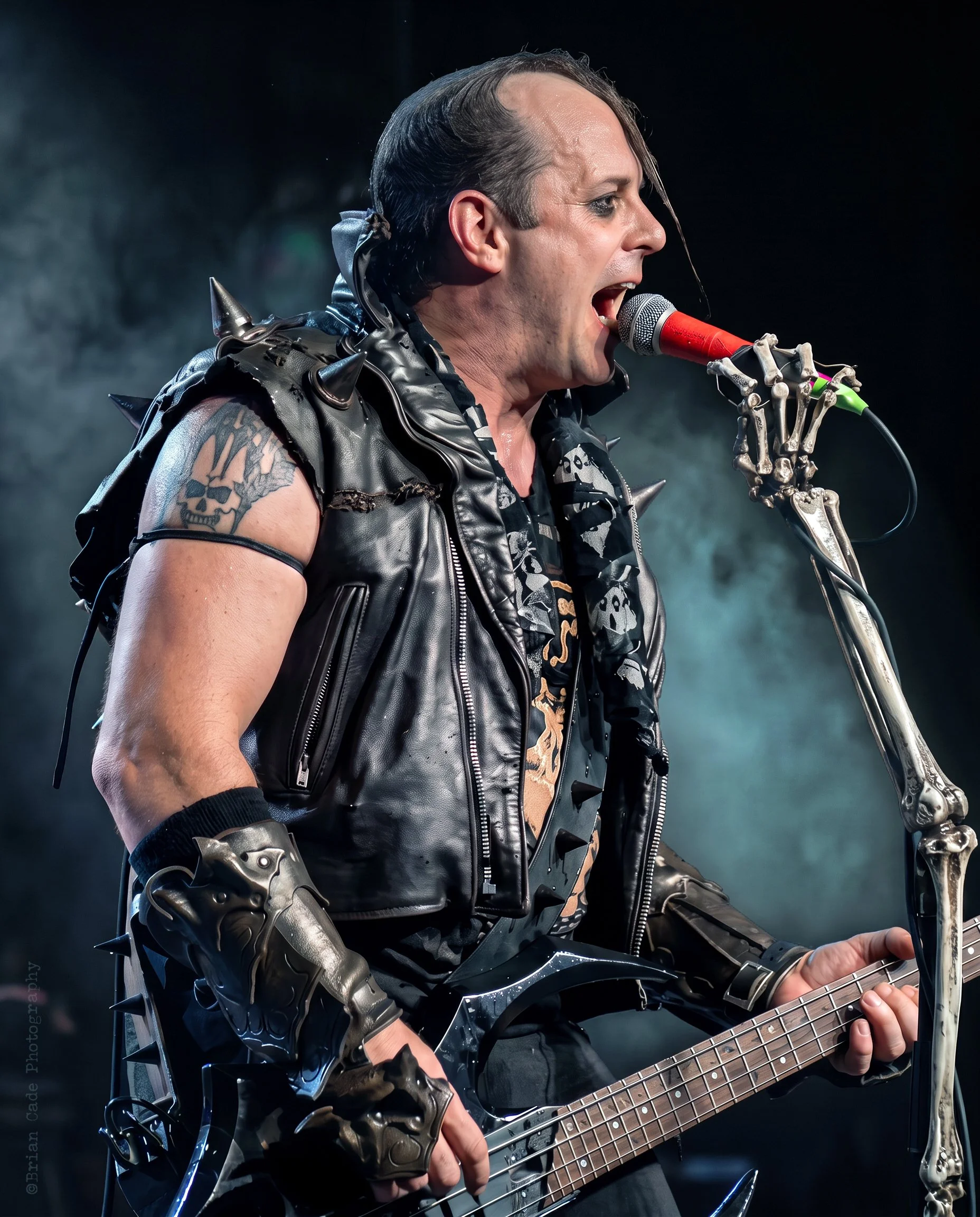
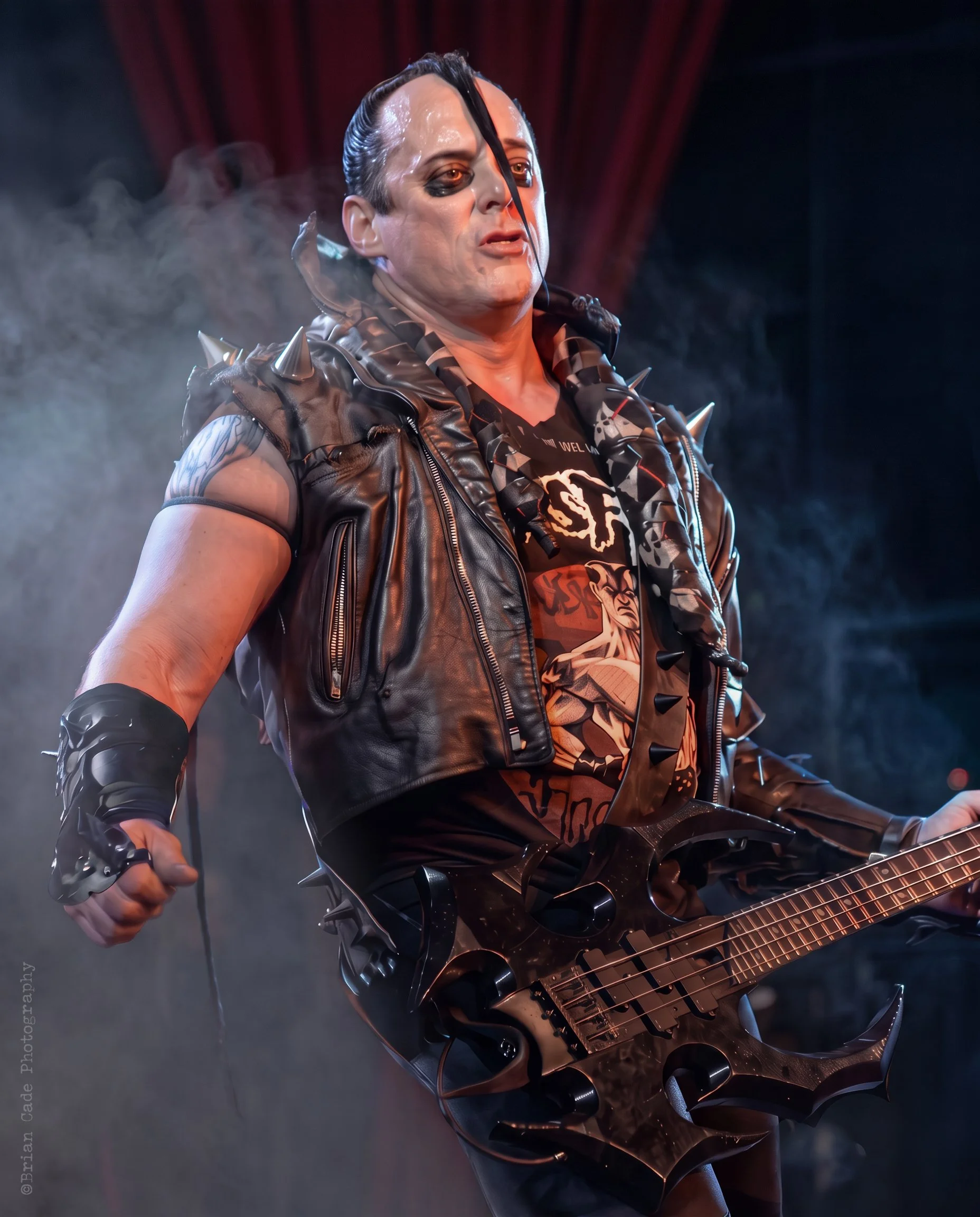
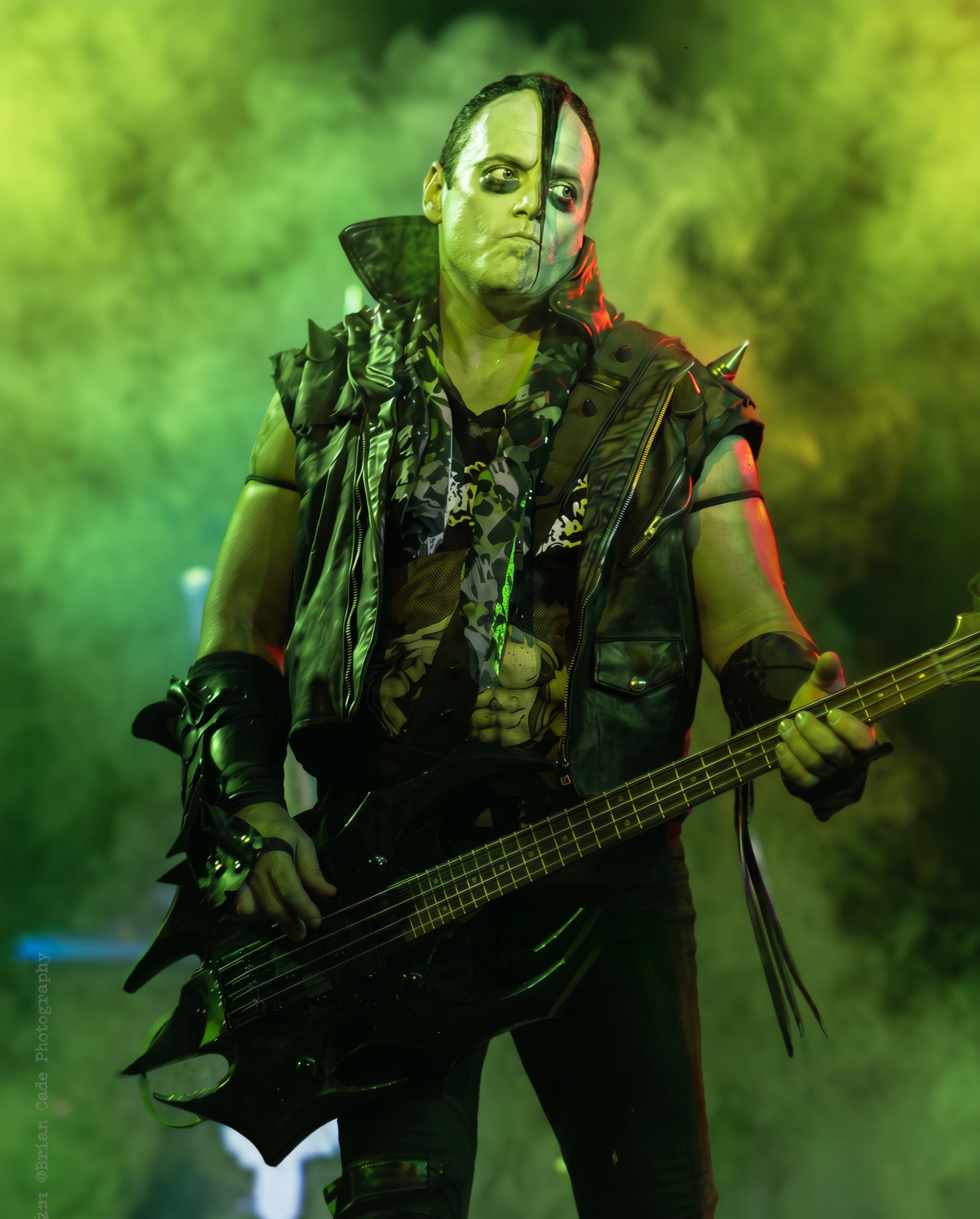
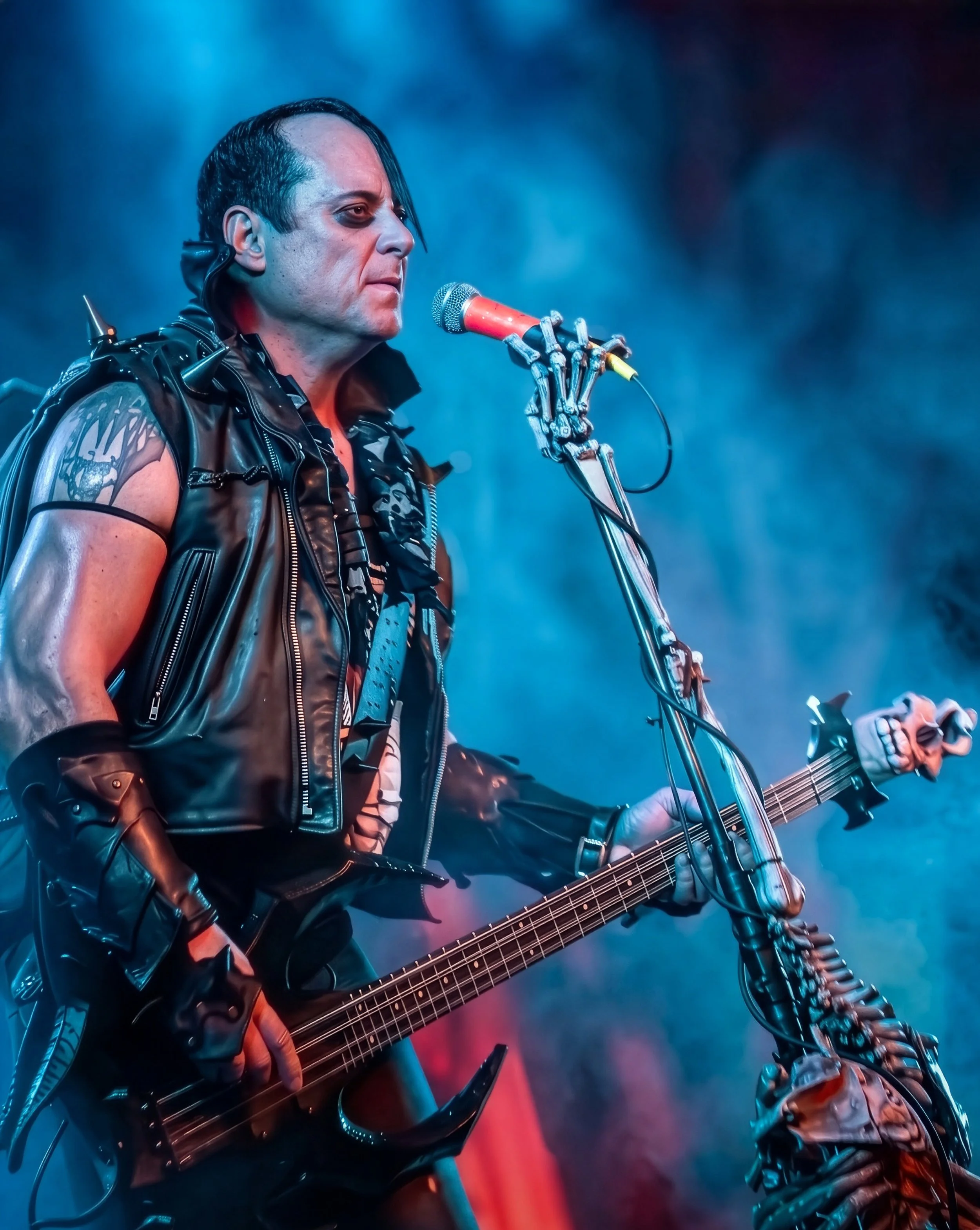
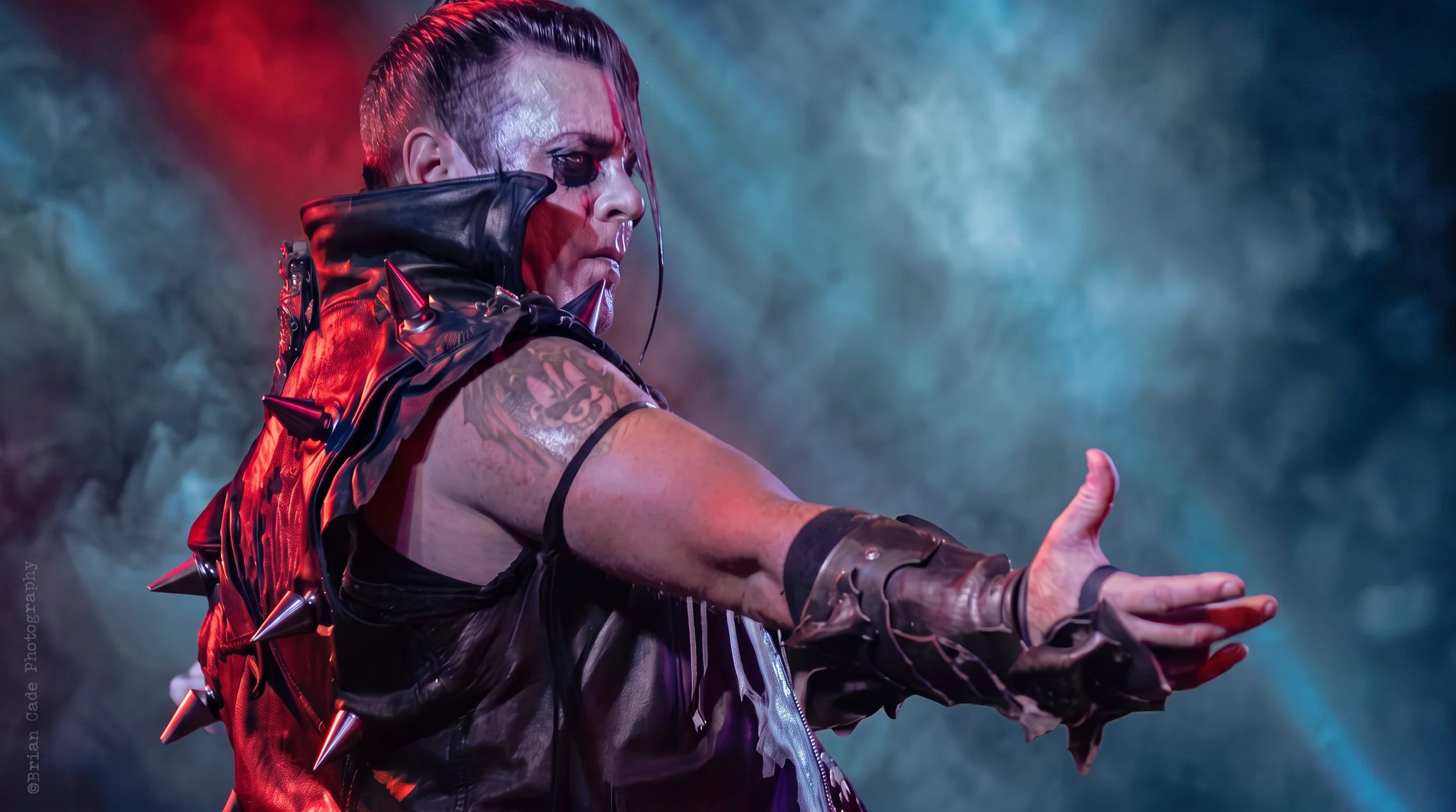
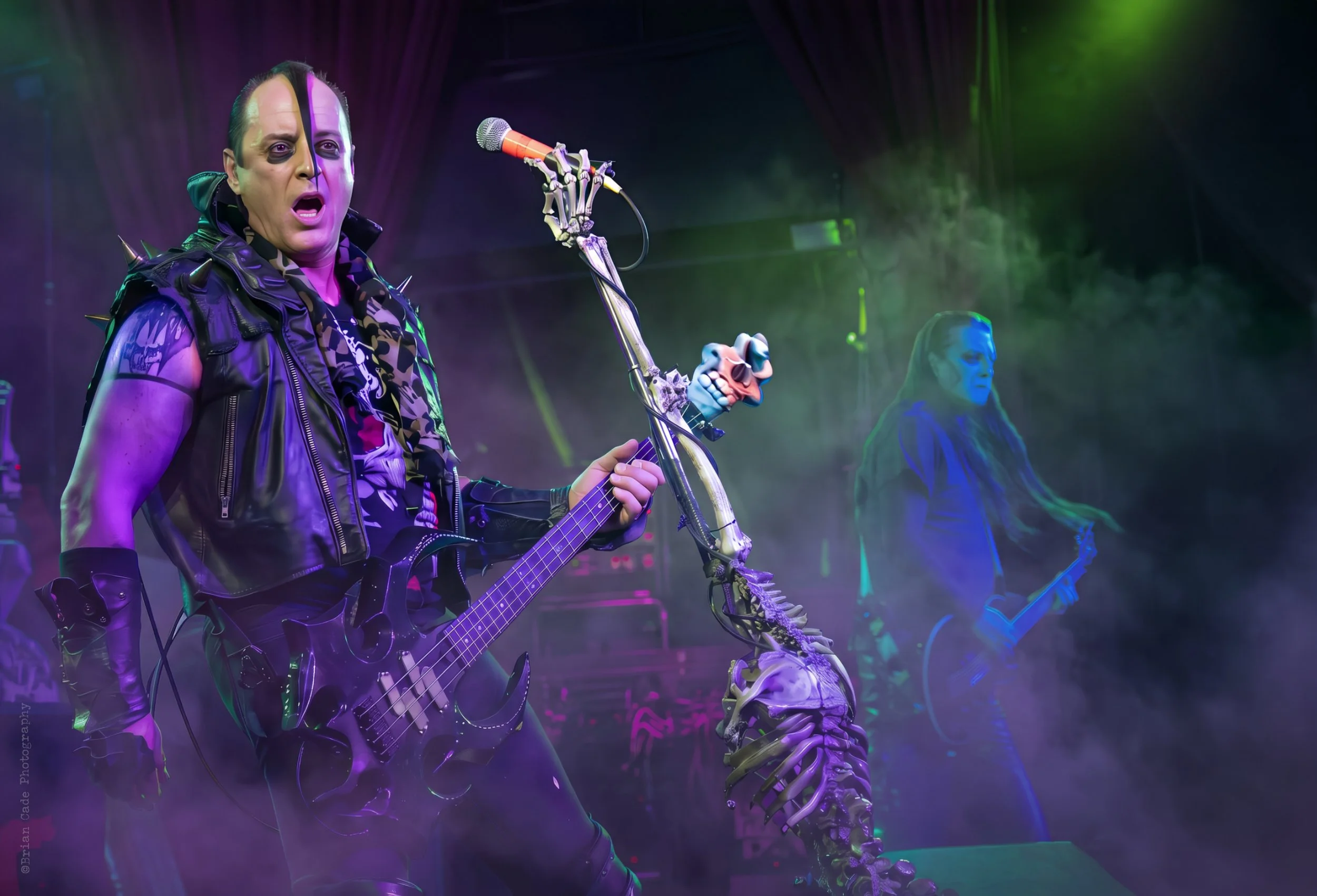
As a photographer and artist, I had one band left on my short bucket list. On December 3, 2008, I finally saw the Misfits perform at The Valarium in Knoxville, Tennessee, with local artist The American Plague opening.
**Please note that we will add more images for this series as time permits.
Connections:
I wanted to share this series from my concert archives for Halloween. Hope you enjoy it.
As a photographer and artist, I had one band left on my short bucket list. On December 3, 2008, I finally saw the Misfits perform at The Valarium in Knoxville, Tennessee, with local artist The American Plague opening. The lineup featured original member Jerry Only on bass because of a rift between the brothers, so Doyle wasn’t on this tour. As a bonus, Jerry Only brought Black Flag legend Dez Cadena on guitar and Roko on drums. The Misfits have always mixed punk rock with B-movie horror, focusing on intensity over polish, and they delivered.
The venue wasn’t as crowded as I expected. No photo pit and no three-songs-and-out rule; this meant the floor stayed open the whole show. Even though I could shoot from any angle, I stuck to my usual spots—stage right or center. Ok, I did wander over for a few snaps stage left. After the show, most people had left, but Jerry hung around and talked with the few who stayed. I wasn’t sure if Dez or Robo did the same.
I saw Jerry talking to a couple of young fans. I tried to capture this private moment with my camera, and just then, Jerry looked right at me and made a playful gesture like a B-movie vampire—hissing at the sight of a cross. It was priceless. Unfortunately, my camera jammed, so I missed the shot. That’s why you should always have a backup, a lesson I should’ve learned back in 1998.
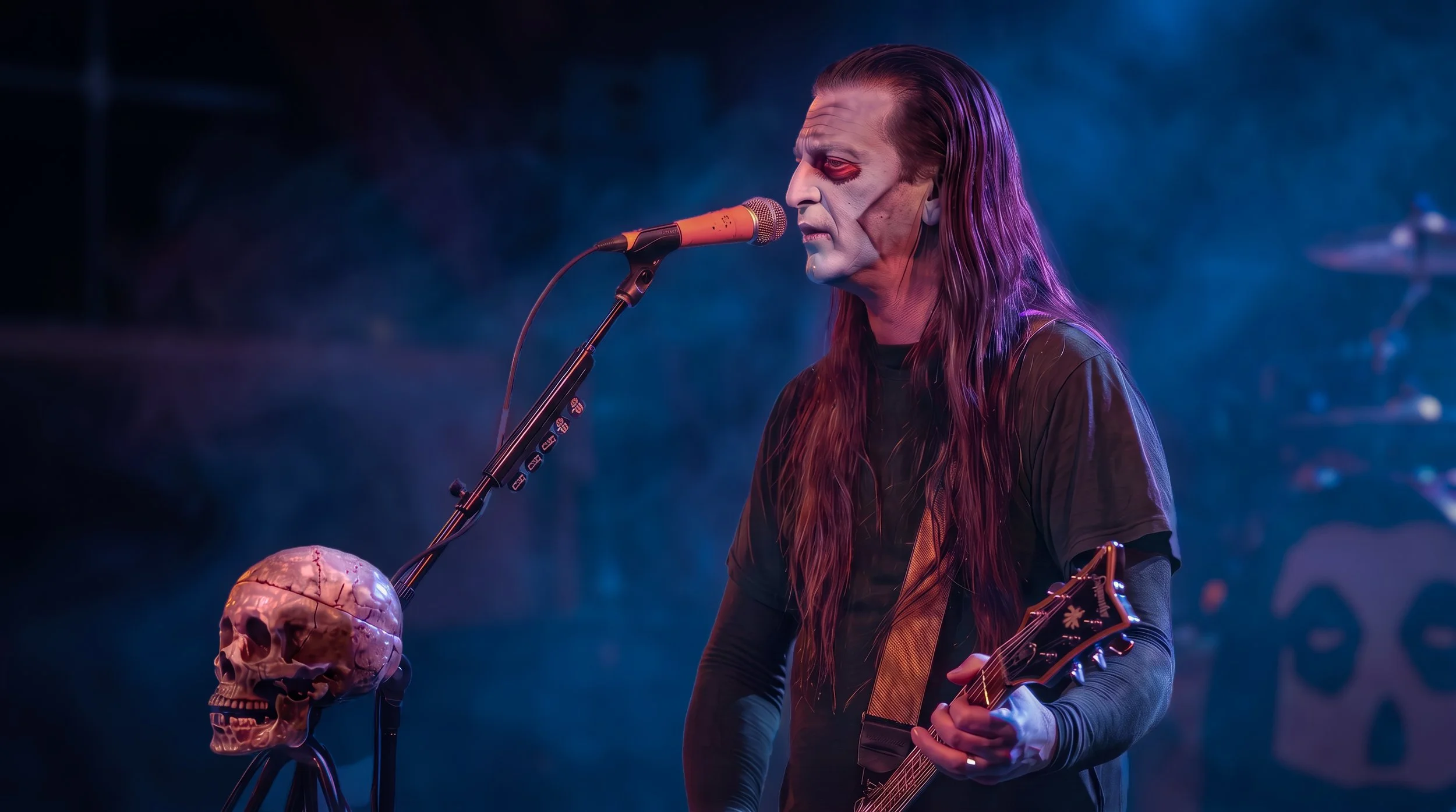
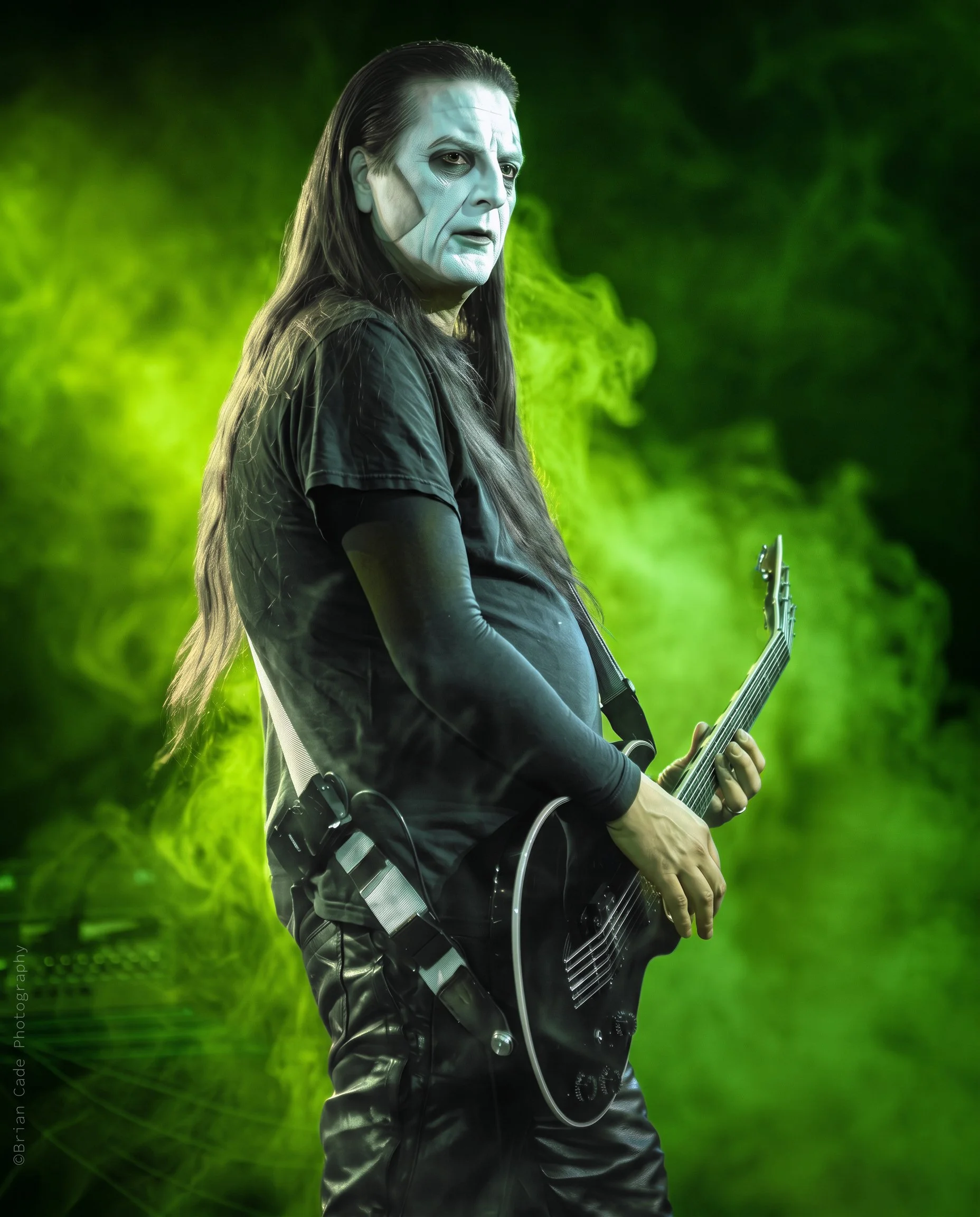
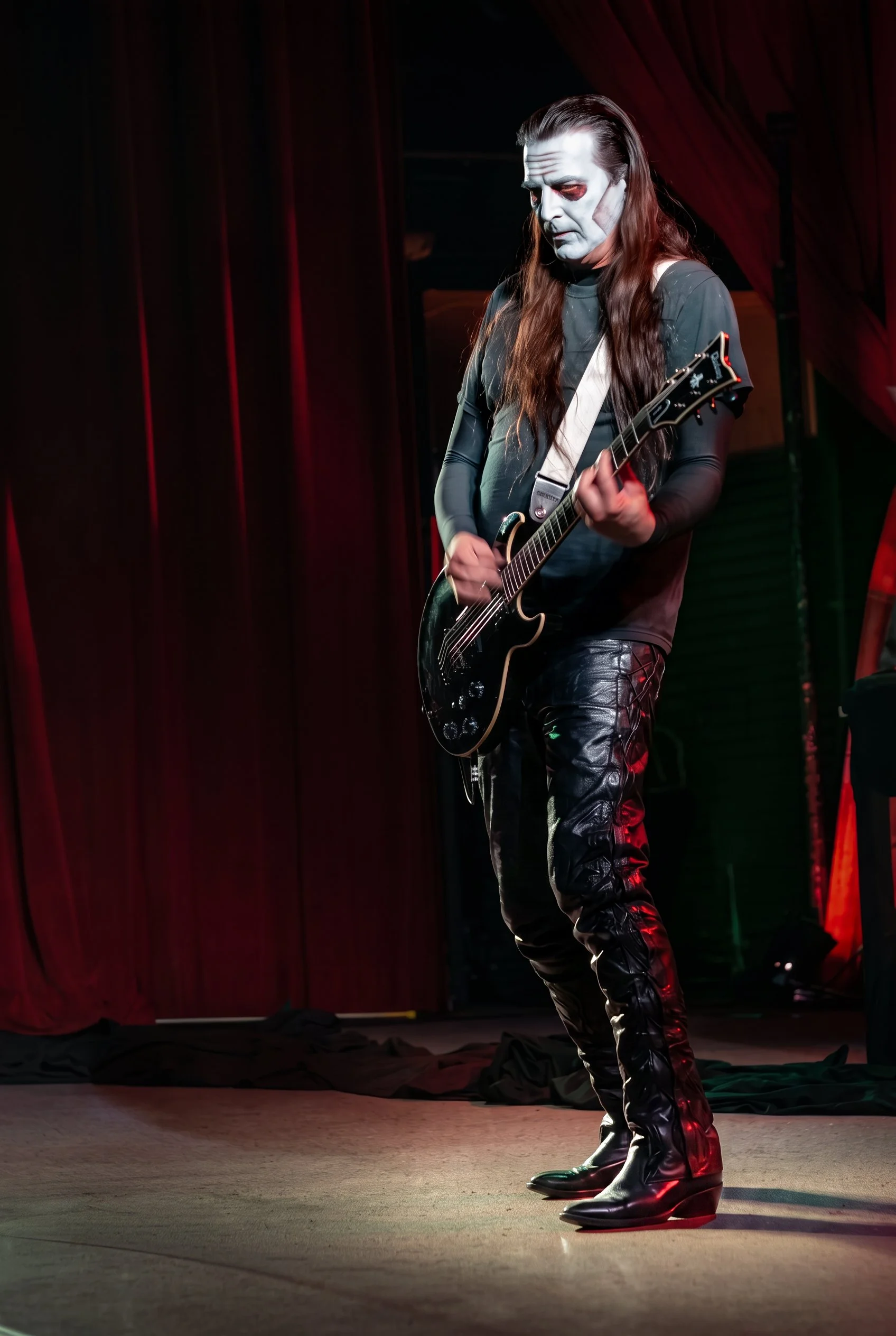
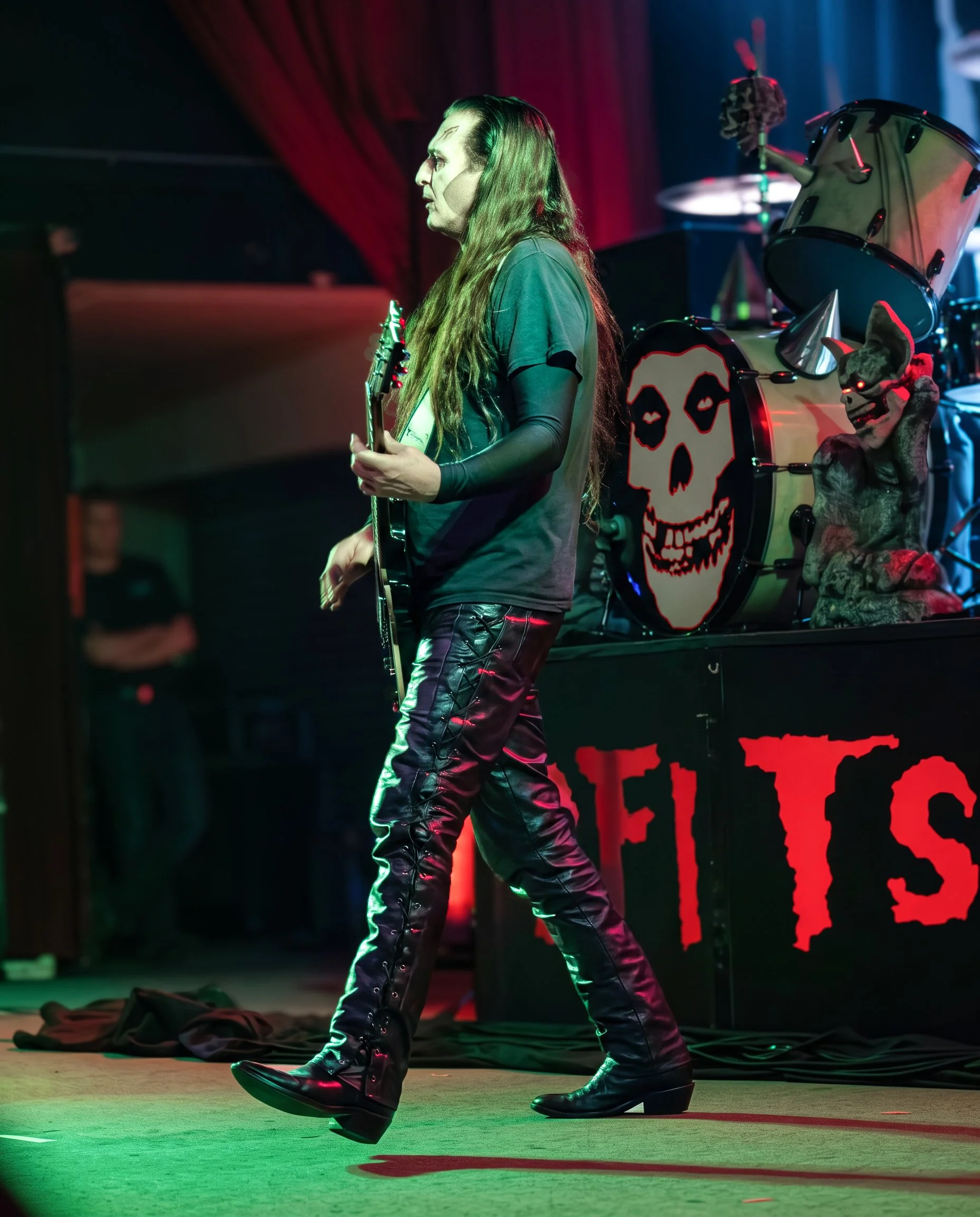
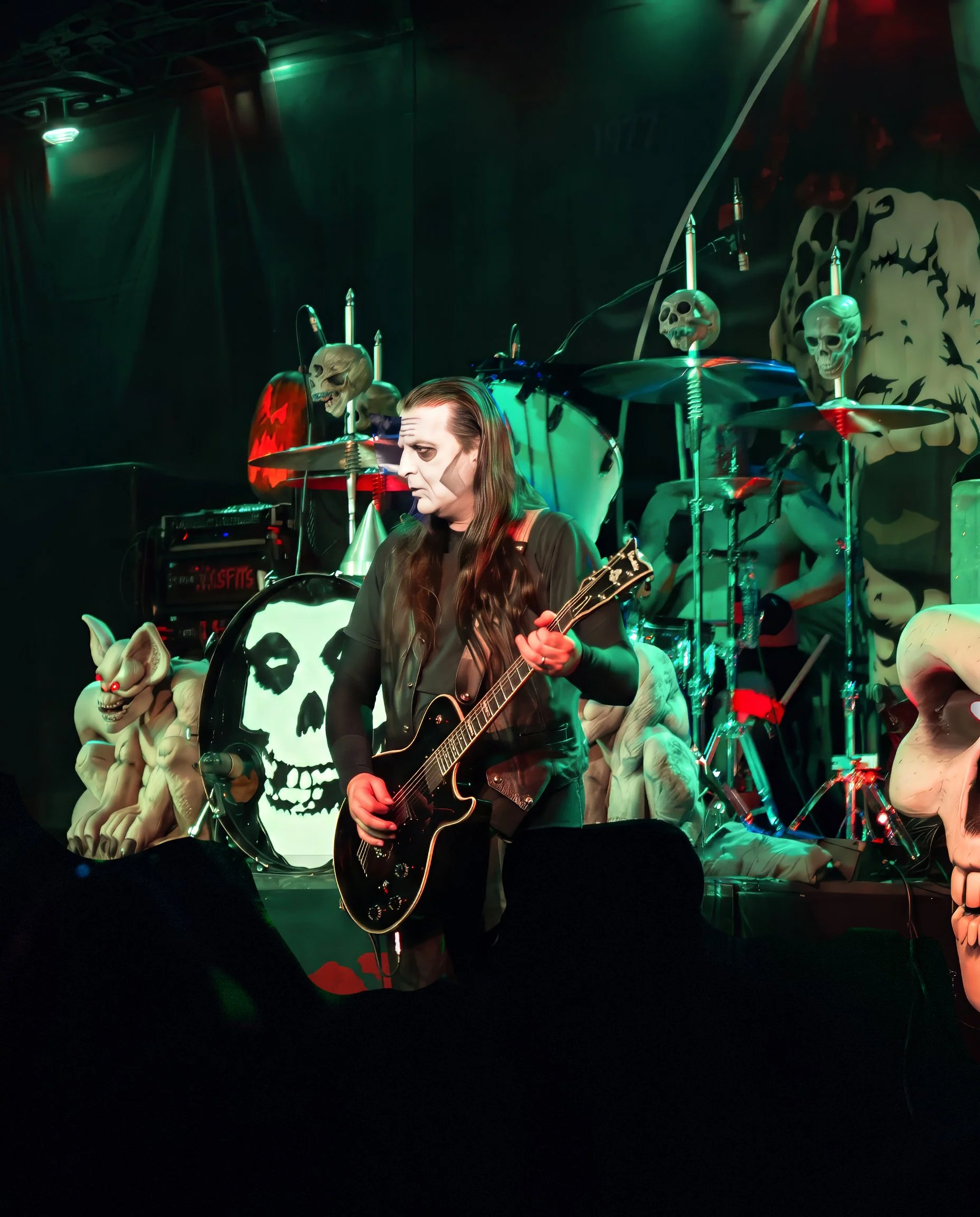
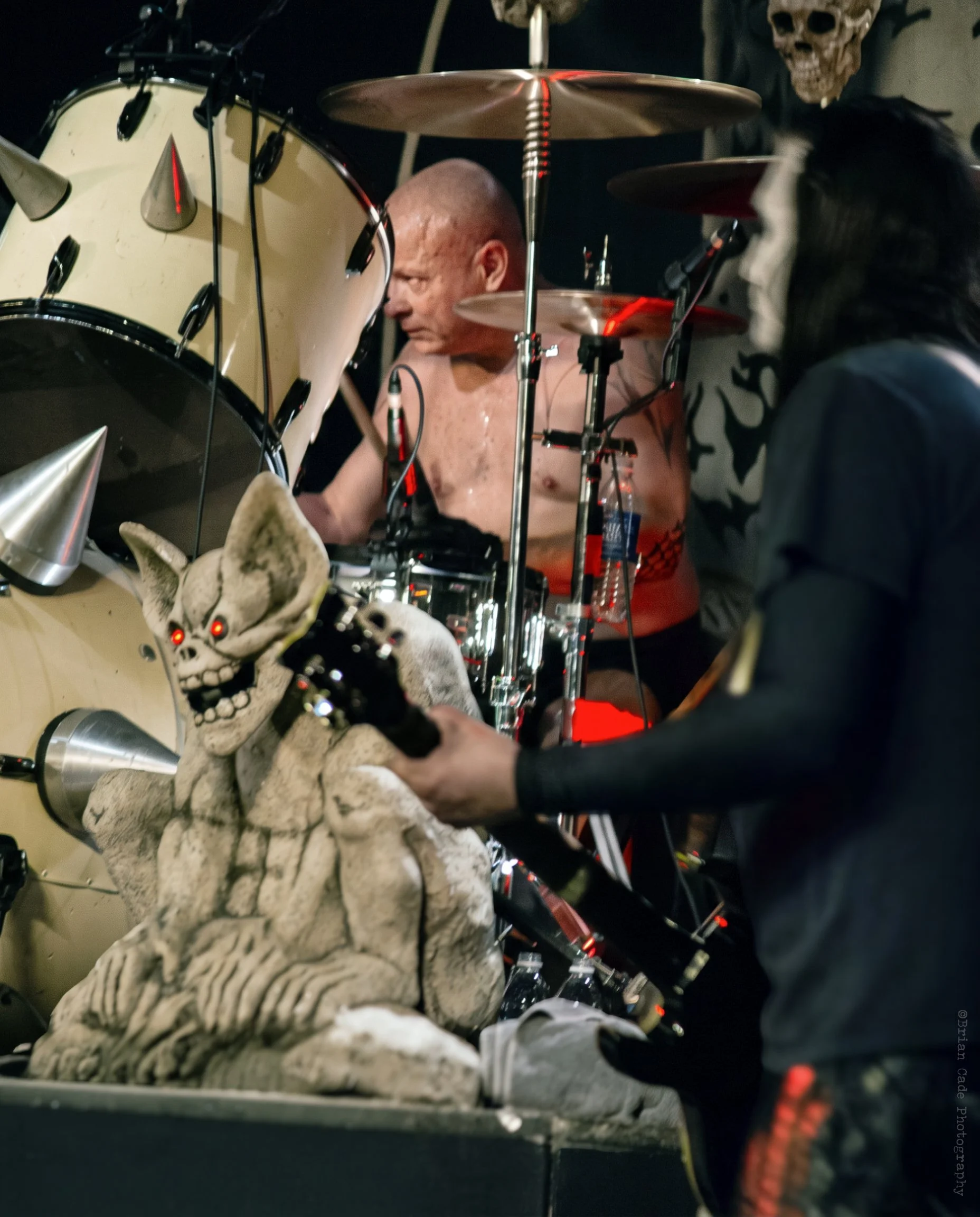
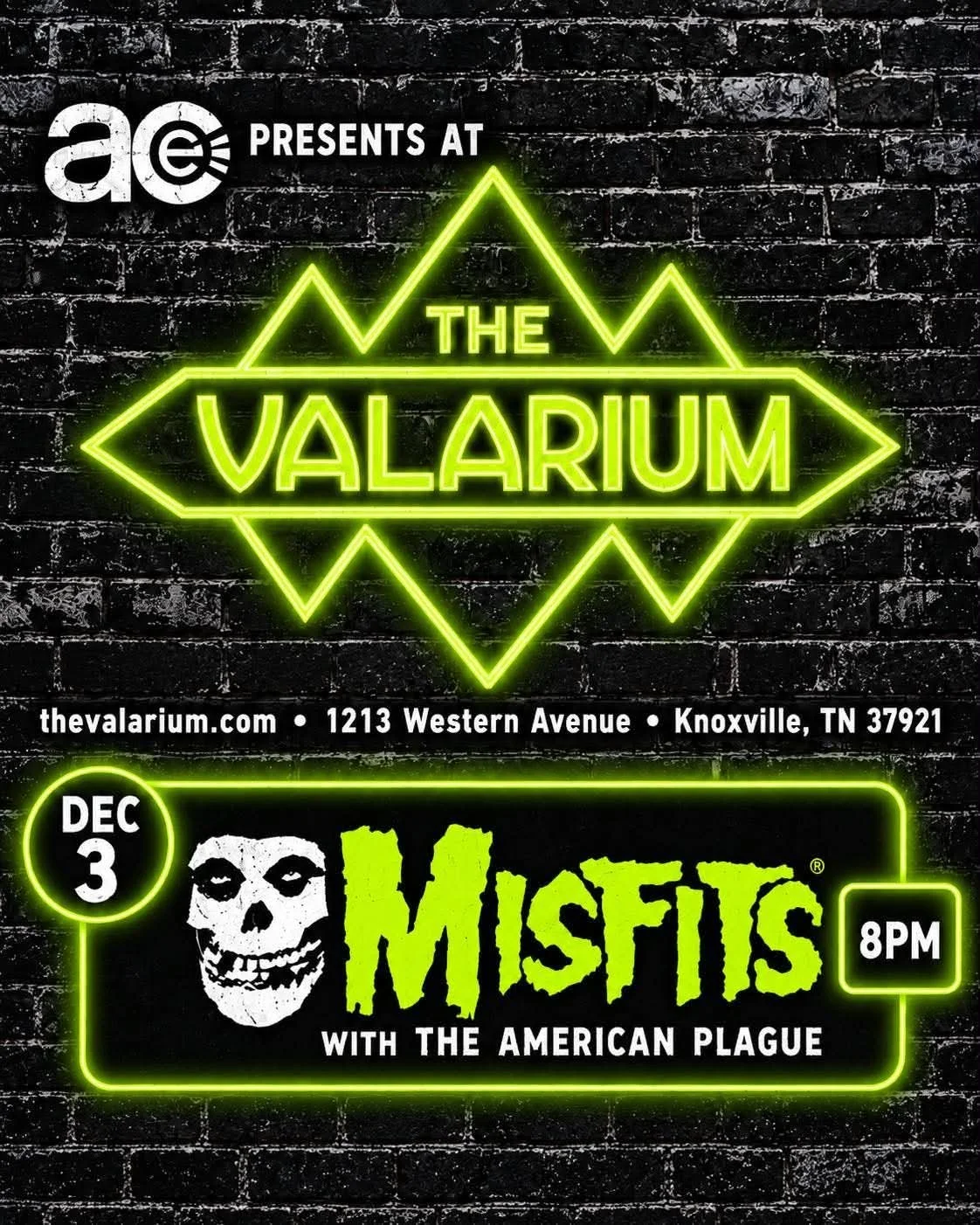
Flyer supplied by Jesse Capps of Rock Confidential Magazine.

What Was Once Lost....Is..... Re-bought 40 Years Later

Between seeing the KISS Dynasty tour in ‘79 and my summer job at Chicago fest in ‘81 and ‘82, my interest in making music was rekindled again; I had been taking acoustic guitar lessons off and on since age 13 at the Chicago Boy & Girls Club in the uptown area a couple of years before those events.
My fixation on the Gibson Les Paul is mainly due to Jimmy Page, but I also owe a great deal to Ace Frehley. It was Ace and the Les Paul that sparked my interest in my music journey. I’d have to say, it was between the TV shows “Midnight Special” in 1975. Don Kershner’s Rock Concert in ‘76 on a small black-and-white TV sealed it.

Around the same time, some friends and I hung out at this spot called Biasco Music on 5535 W. Belmont Ave. I had to look that up, but it's restaurant and a parking lot now. We’d smoke some pot, jam to tunes on the record player, and later you’d find us in one of Biasco’s sound booths just messing around on random guitars. That’s where I got my first real guitar—a brown tobacco sunburst 1978 Gibson Les Paul. I know I was high when I bought it because I couldn’t figure out why I had a layaway receipt in my pocket the day after visiting the store. In the end, though, I paid $500 for it, which wasn’t a bad deal considering Gibson only made about 5,000 Les Paul’s that year, and they had a street price of $749. Back then, I was in several bands, each one a close-knit group brought together by our love of music. We’d rock out to the hits of the time, but our original songs always had that punk rock vibe that reflected our energy.

Here’s Eddie(drummer)and I in better times, he’s holding my 1978 Gibson Les Paul

Pictured above is my old ‘78 Gibson Les Paul, along with an Alvarez 12-string acoustic guitar. I traded my fluorescent green Charvel Model 2 guitar to a friend (we swapped back later).
Nearly 40 years after my original guitar was stolen, am I still bitter about it? I was for many years, until I recently contacted the person who took it and shared my feelings. That conversation allowed me to move on; I guess I just needed to hear some kind of explanation for his actions. A couple of factors motivated me to play again. I wanted to return to playing for my own enjoyment, and I have to credit my renewed love for the guitar to a couple of musicians I discovered on YouTube: Dave Simpson and his band, the Dave Simpson Trio from the UK, as well as Jeff Mcerlain, a performer and instructor based in NYC. I'll link their channels below.
So, in late May 2021, I went on Reverb.com and bought a 2003 Epiphone Les Paul Plus Top (pictured below). However, when it arrived, I found that it had a tapered neck, which I felt was too thin for my liking. Despite it being a Gibson brand and a Les Paul, I quickly experienced buyer's remorse and became unhappy with it. It's currently back on Reverb for sale. I realized that if I was going to own a Les Paul, I wanted it to be the real deal.


The search was on. I looked online for another '78 Les Paul and quickly discovered that the prices were far out of my reach. During my search, I also learned about a feature now found in the Gibson line called "weight relief." As a result, I focused my search on finding a model without weight relief and with a beefier neck—at least thicker than the one on the Epiphone I had purchased earlier. That neck was too thin, and I really disliked it.
Over the next few weeks, I explored Guitar Center, Reverb, eBay, and various other sites for reviews and specifications on particular models. Eventually, I narrowed it down to the Gibson Les Paul Traditional model, specifically from the years 2013, 2014, or 2015, which featured a beefier neck. Then, I found it—actually, I found two that met my criteria on eBay, both with 50s-style necks, no weight relief on the body, and both from 2013.
However, there was one small detail: one had a cherry burst body (which I’m not a fan of), while the other had more of a honey burst. Naturally, the honey burst won out, and the images below illustrate why. As a quick side note, a closer inspection of the original box reveals that the color is listed as "Carmel burst," and it is part of the "New Traditional" lineup of the Gibson Les Paul series. Members of the Gibson guitar owners' page on Facebook confirmed this information, so, in retrospect, it’s close enough to honey burst for me.
So, what’s the verdict? Does the Traditional come close to my old '78 Les Paul Standard? I have to say “yes,” it does. The Traditional is more or less the equivalent of the Standard of old. The newer Standard models have chambered bodies, whereas the Traditional and the old Standard are solid. Furthermore, the newer Standards come with a slim 60s-style neck, while the Traditional features a beefier 50s-style neck.


I wanted to mention that I’m getting back into music purely for the enjoyment it brings. I still remember a few things and can navigate the fretboard, but with YouTube, I can easily explore genres I love—specifically blues and punk rock.
Now, regarding a couple of recent developments: some friends and I are toying with the idea of forming a cover band, focusing on punk music. Our main goal is to enjoy playing together, but that’s a topic for another blog post.
Lastly, I have to credit my renewed passion for playing to a few YouTube channels. First, there’s Dave Simpson from the Dave Simpson Trio in the UK, and then NYC instructor and performer Jeff McErlain. Additionally, my enduring love for jazz and blues music shines through in the Jazz and Blues YouTube channel. Months before I decided to get another Les Paul guitar, I was listening to these channels, and they reignited a spark within me as a middle-aged man. I’ve listed their channels below and highly recommend checking them out for a look and a listen.
“When I was young I wanted to play the guitar badly. After years of hard work, practice and determination, I can play the guitar badly”
Some links I found helpful:

Road Stories: My First [Paid] Live Gig Pt. 2 of 2
1996 was supposed to have been the year I moved out of Chicago, I had already quit my job with Kodak and was actually pretty excited of a change of scenery, but things happen and I was going to be in Chicago one more year before finally relocating in the winter of 1997.

1996 was supposed to have been the year I moved out of Chicago, I had already quit my job with Kodak and was actually pretty excited of a change of scenery, but things happen and I was going to be in Chicago one more year before finally relocating in the winter of 1997.
I pushed myself more than ever to get in more studio time to make ends meet, I had already been Ronald Anthony’s [my mentor] location/studio assistant in Park Ridge since ‘94, and the desire to photograph bigger events was becoming more and more intense than ever before.
I spent my free time trying to make new connections and reconnect with some people in the music industry, mostly in the rock n roll scene. Namely with some of the indie record labels; Roadracer [later to become Roadrunner], Nuclear Blast. along with radio station WWBZ [TheBlaze] later to become Rock 103.5. There were a couple of things that played against me at the time, 1. most people I had known in the industry during this time didn’t stay with their label but for only a few months at a time, there were always new faces when the A&R and sales rep people would come around. and 2. everyone was either wanting to photograph the Rock scene or had a pretty good hold onto there spots. So I needed a new game plan, I needed to do something different, think outside the box. Then it hit me. Country music, nobody was covering this genre in Chicago, though it was picking up momentum and hitting the mainstream quite quickly.

Marty Stuart, Country Fest, 1997
WUSN [US99] it did look to be a good fit for me, so I asked around and though it took several months of cold calls I Found CBS Broadcasting had recently acquired the station, which brought in a new station manager (Alan Sledge) program director (Steve Lee), a good opportunity for me to make a connection and present my proposal in becoming their event photographer. So at this point, I started to write out many key points for what I had to offer; such as meet and greets at events, live images of the events (both crowd and stage) and on the air coverage of guests.
I believe it was late winter or early fall in 1996 that I got the nerve to pick up the phone and make first contact, and with that call and initial meeting thereafter, I became the official event photographer for WUSN-FM (US99), covering all their station sponsored concerts, I also photographed all their behind the scenes and meet and greets between 1997 and 1998. This opened a lot of doors that would have been left closed, if I had not taken that first step and believed I was good enough to be that guy in the pit, and why not me.

Wynonna Judd, Country Fest, 1997

Bryan White
Country Fest, Chicago, Il. 1997

Keith Urban
Lambs Farm, Libertyville, Il. 1997

Paul Brandt
Country Fest, Chicago, 1997